Cheap Decor, Expensive Look: 13 Small Upgrades With Outsized Effect
Nobody prices your home with a calculator. They price it with their eyes and hands, in about five seconds, and what they are really reading is materials: how the metal catches light, whether the glass is clear, the tone of the wood, the way a fabric behaves under a lamp. That is why cheap decor looks cheap. It is almost never the object itself, it is the material pretending to be something it is not, and pretending badly. These 13 upgrades go material by material, so you can walk your own home and fix the read instead of replacing the furniture.
Metal
1. Choose brushed and matte over polished chrome
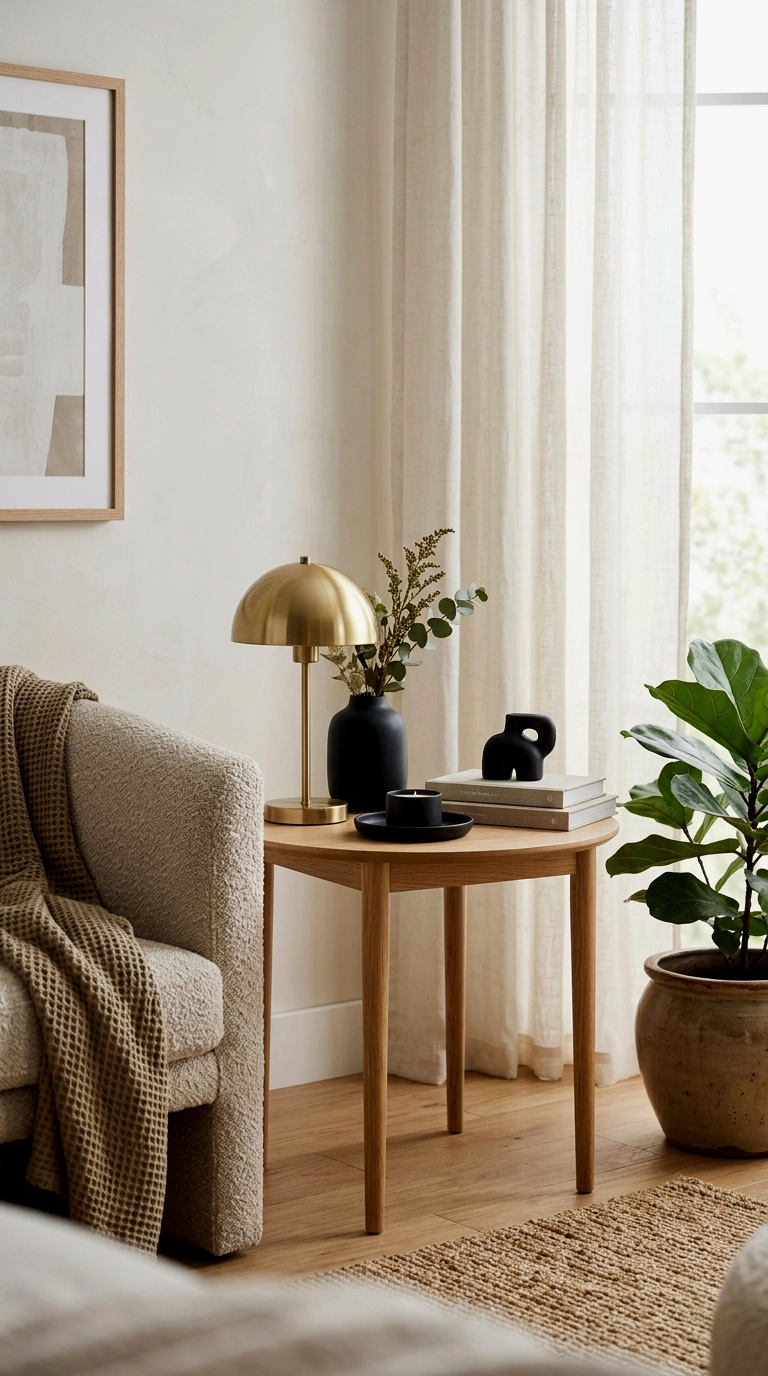
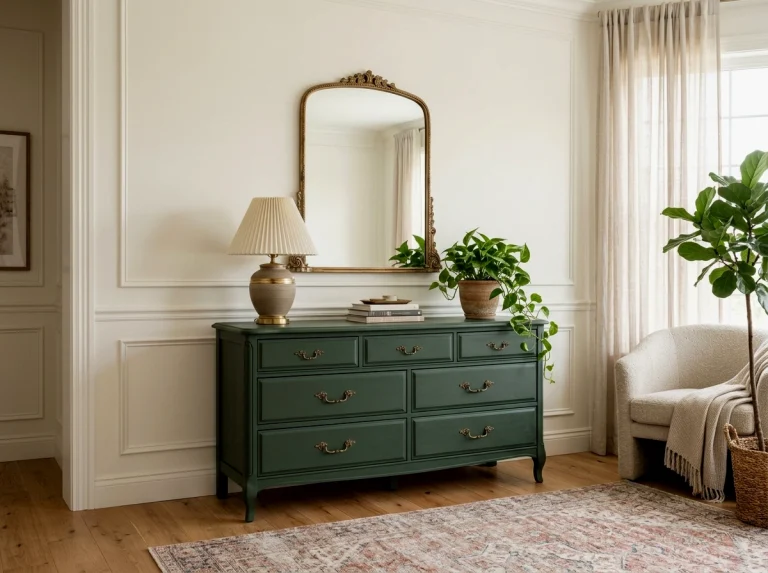
Cheap version: mirror bright chrome that shows every fingerprint and reflects the room like a funfair mirror. Expensive read: brushed brass, matte black or aged bronze, finishes that glow softly instead of shouting. The practical move is to start with the one metal piece your eye lands on first, usually a lamp or the handles in the main room, and swap or refinish just that one. Everything else can wait its turn.
Shine is the loudest cheap tell in any room.
2. Swap plastic feeling handles and knobs for metal ones
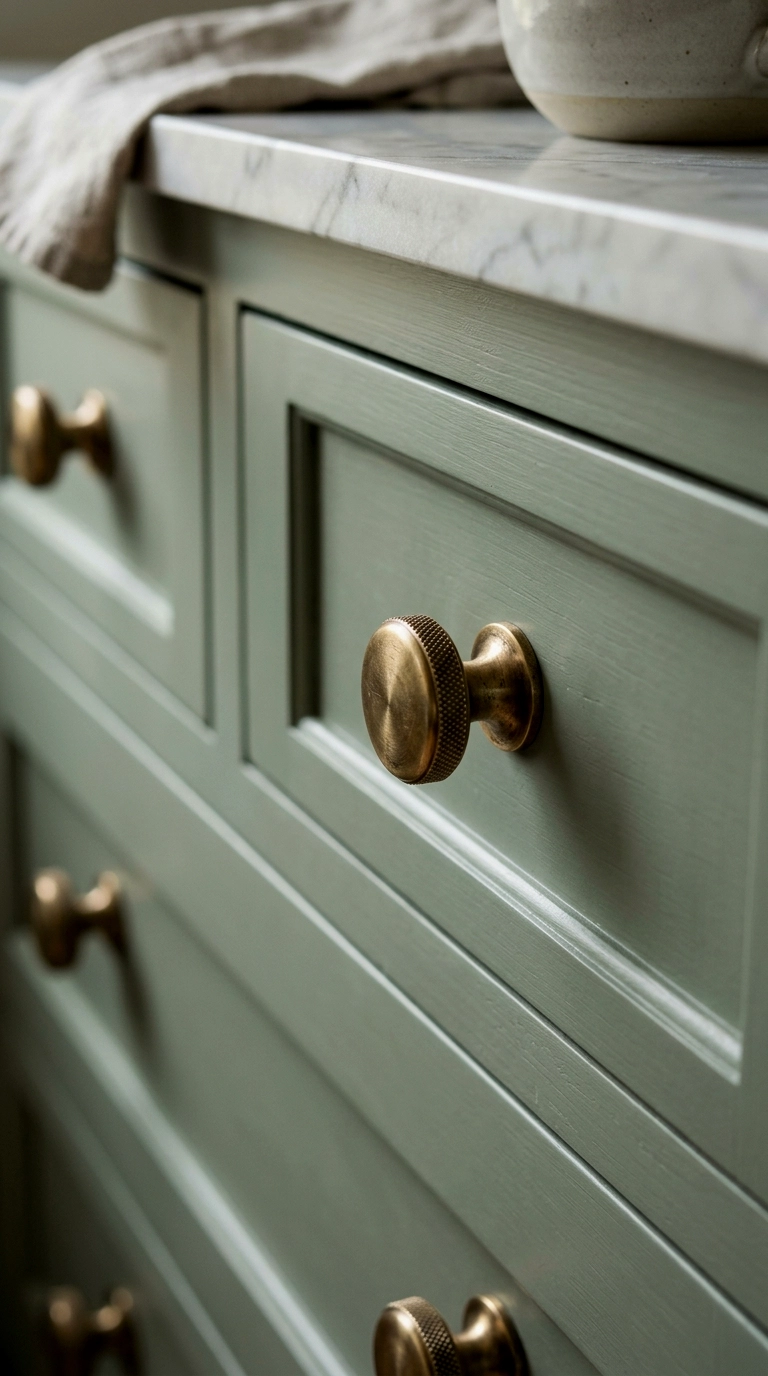
Cheap version: knobs that feel hollow when you grip them, light as bottle tops, with seams you can feel. Expensive read: hardware with genuine weight in the hand, because fingers judge quality faster than eyes do. Measure your screw spacing before you order, then replace a whole run at once so the room feels consistent. A kitchen’s worth of solid feeling knobs usually costs less than one designer cushion, and you touch them every single day.
Glass
3. Replace cloudy plastic with real glass anywhere it shows
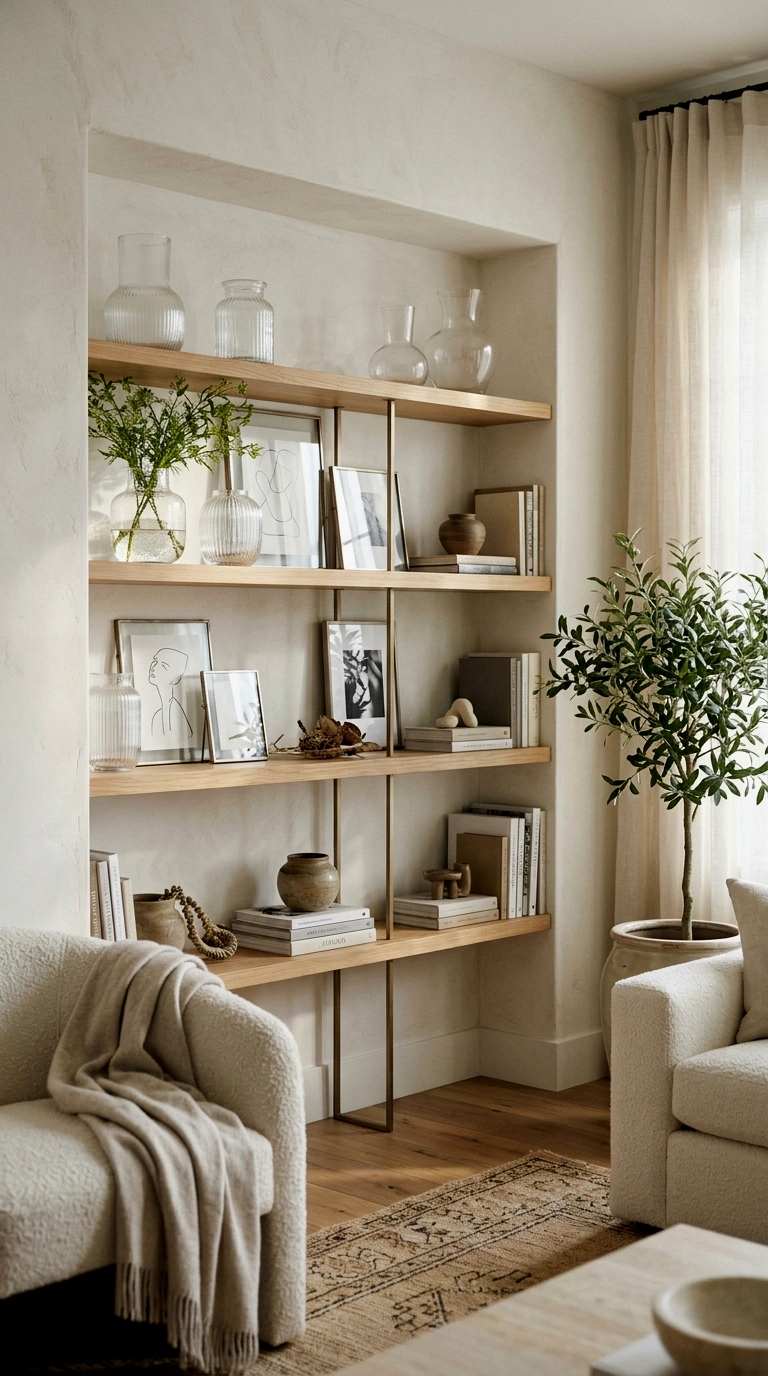
Cheap version: acrylic boxes, plastic frames and faux glass vases that cloud, scratch and yellow within the year. Expensive read: real glass, heavy for its size, clear right through, with edges that feel finished. The easy source is charity shops and budget home stores, where genuine glass costs the same as the plastic imitation and outlasts it by decades. Start where light passes through, vases and frames near windows confess the fastest.
Real cheap glass beats fake expensive glass every single time.
4. Frame prints behind glass with a wide mount
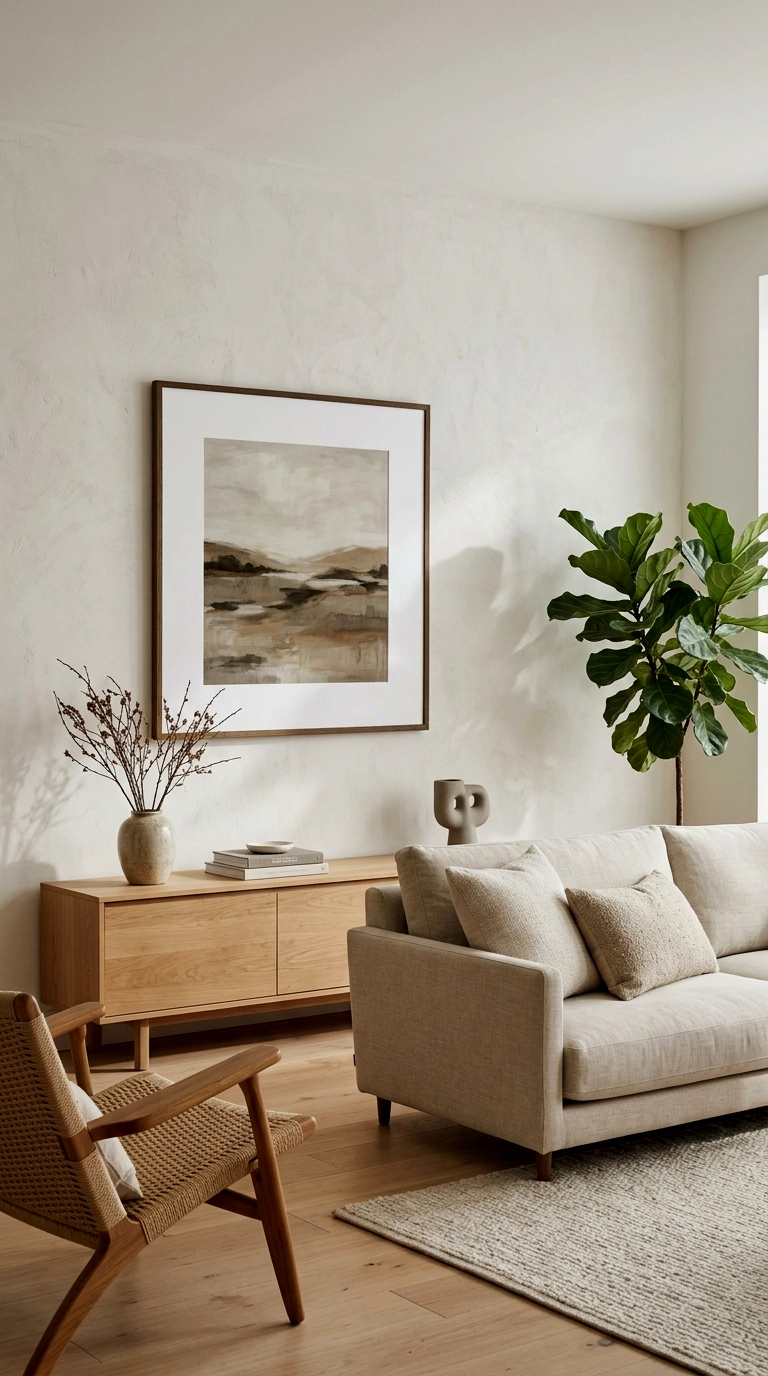
Cheap version: a small print rattling inside a thin frame, image bleeding to every edge like a poster in a corridor. Expensive read: the same print floating inside a wide white mount, surrounded by breathing space, the way galleries hang work at any price. Buy the frame for the mount size, not the picture size, and let cheap prints, postcards and even fabric scraps fill them. The white border does the pricing work, the artwork is almost beside the point.
The price ladder below is the honest bit nobody tells you. Most budget items stop looking cheap at a surprisingly specific price, and it is usually lower than you fear.
The Price Ladder
- Table lamp: around 40 dollars, below that the base is usually hollow and the shade shows its seams.
- Cushion cover: around 15 dollars, where the weave gains enough weight to sit matte instead of shiny.
- Picture frame: around 12 dollars, the point where real glass and a proper mount replace plastic and cardboard.
- Throw: around 25 dollars, where the fabric stops feeling like fleece and starts draping like cloth.
- Vase: around 10 dollars, where glass gets thick enough at the base to read as heavy and clear.
Wood
5. Kill the orange tone with a darker stain or wax
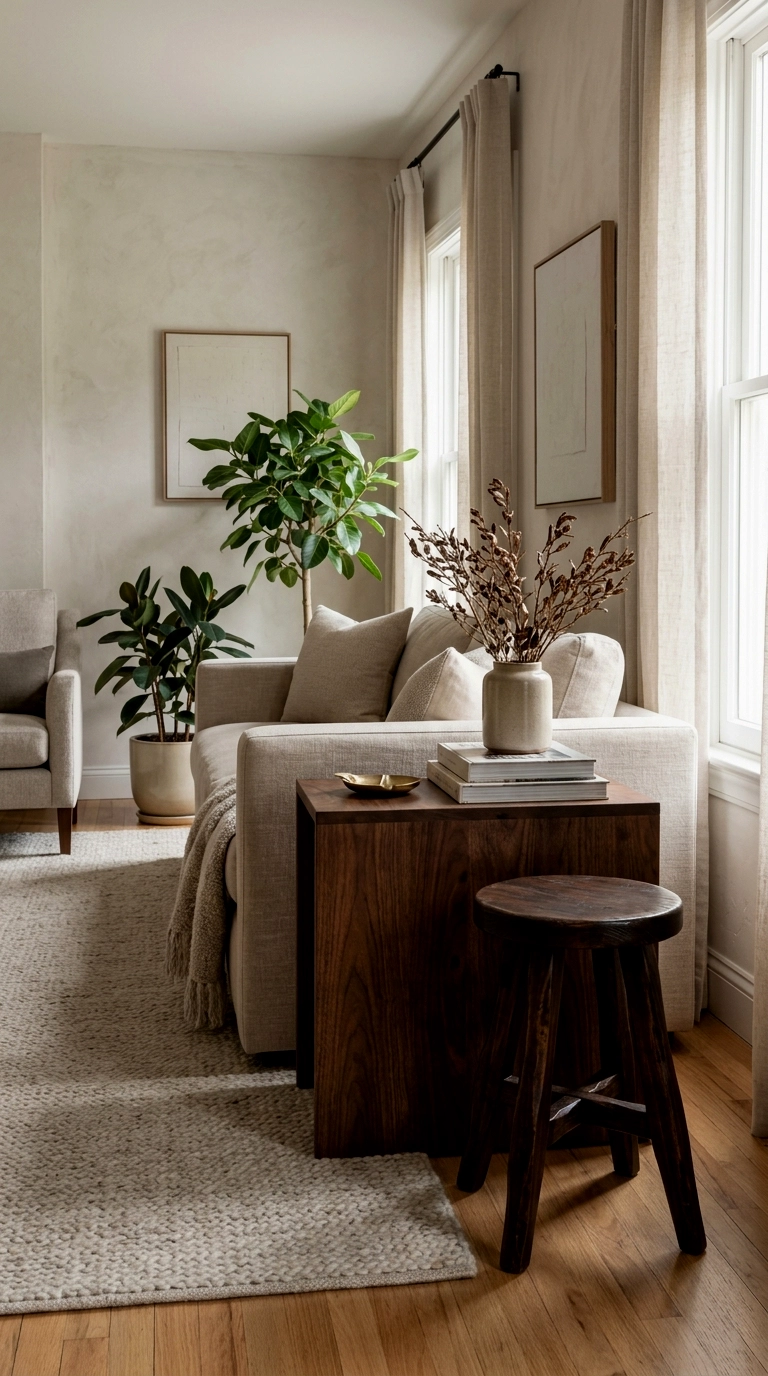
Cheap version: that orange, slightly plasticky pine tone that budget flat pack wood seems to be born with. Expensive read: deeper, quieter wood colour, the walnut and smoked oak shades that furniture wears at higher prices. A tinted wax is the gentle route, worked in with a cloth and buffed once dry, and it can be adjusted or removed if you overdo it. Stain goes further and lasts longer. Either way you are changing the colour, not the furniture.
Tone is the price tag wood wears on its face.
6. Add one piece with visible grain and honest edges
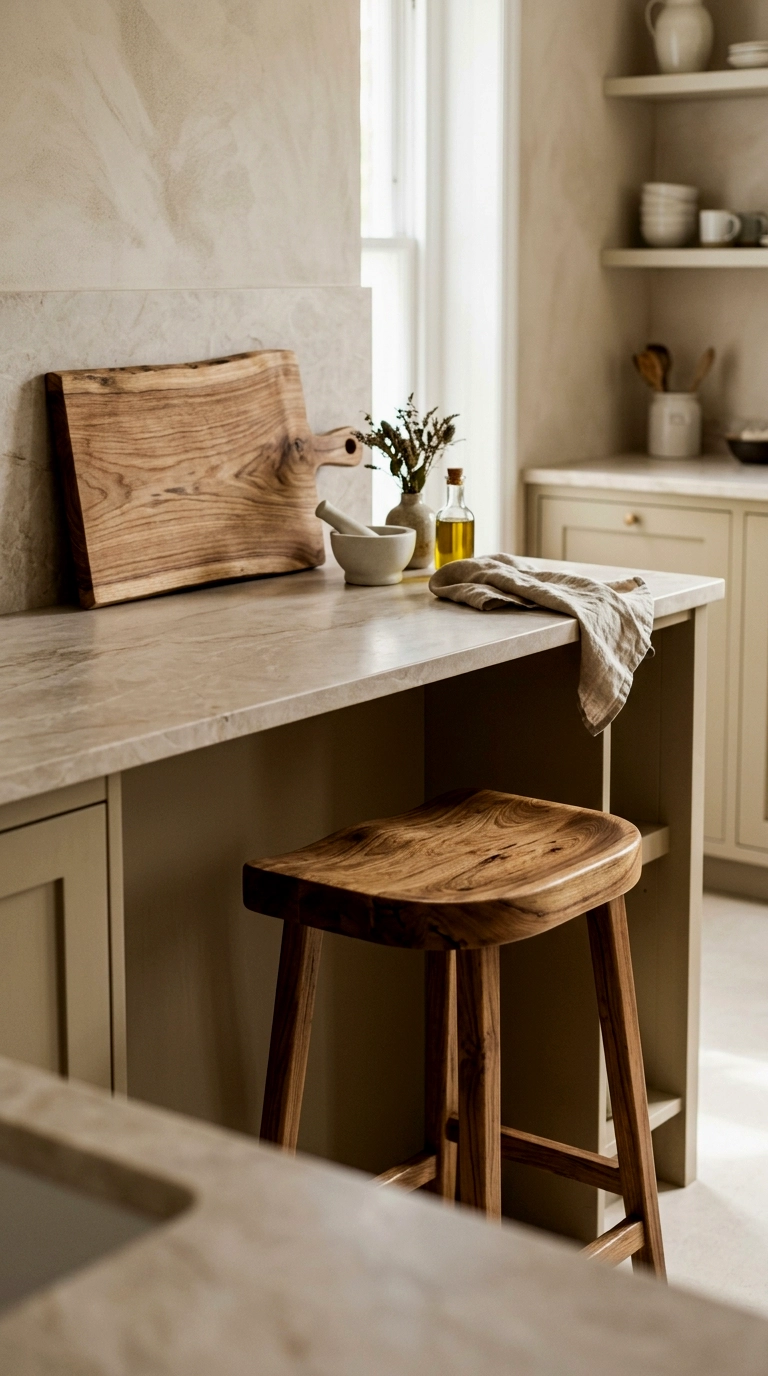
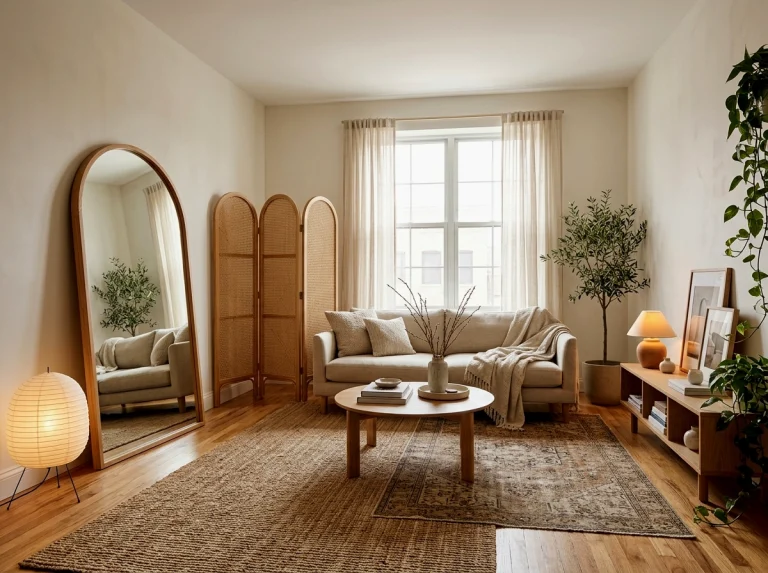
Cheap version: a whole room of identical flat pack surfaces, every edge perfectly sharp, every grain printed and repeating. Expensive read: at least one piece of real, solid wood, where the grain wanders and the edges are fractionally soft from use. A second hand stool, a chunky chopping board leaned in the kitchen, a small side table with a past. The eye trusts that one honest piece and extends the trust to everything standing near it.
Fabric
7. Trade shiny synthetics for matte natural look weaves
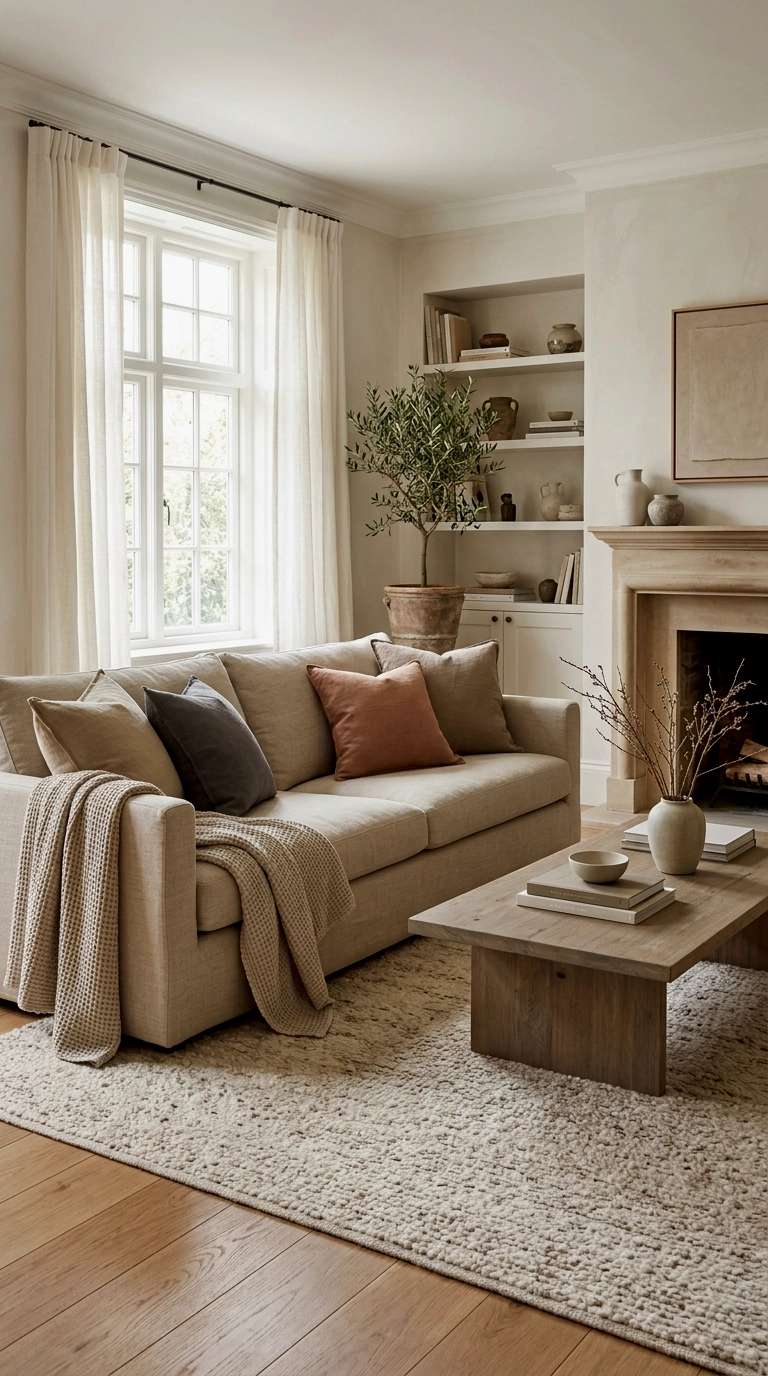
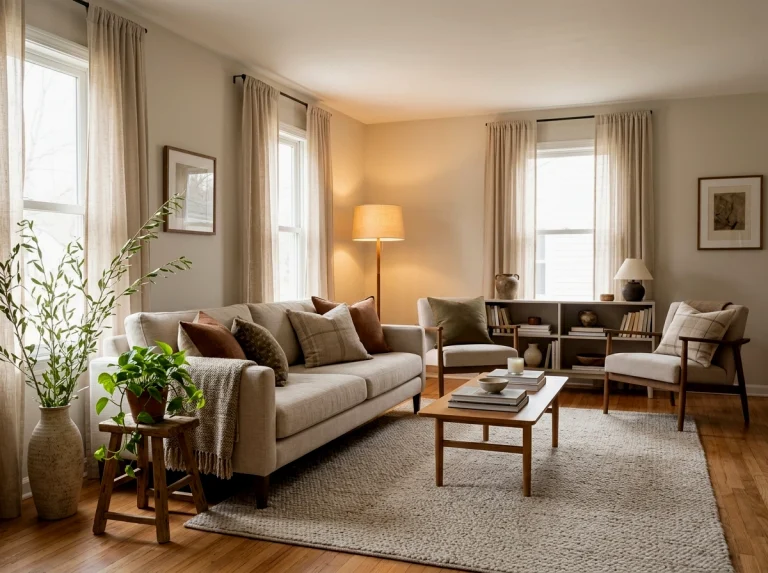
Cheap version: cushion covers and throws that shine under the evening lamp, smooth in a way no natural fibre ever is. Expensive read: matte surfaces, cotton, linen look and wool look weaves that absorb light instead of throwing it back. This is the same rule pattern lovers use in the Anthropologie look for less, where natural fibres carry the whole scheme. Swap the two most visible covers first and judge the room at night, not in daylight.
If it shines under the lamp, it is confessing.
8. Size up the cushions and underfill nothing
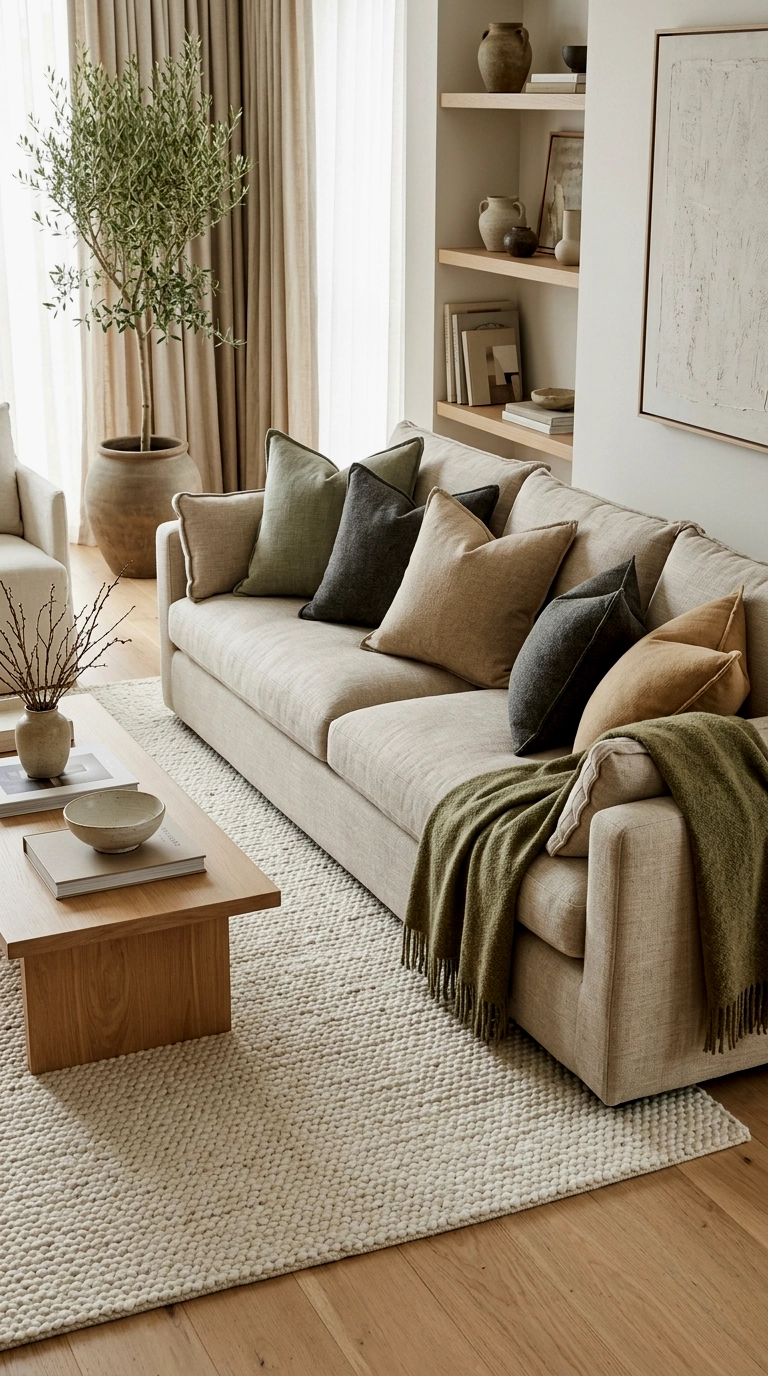
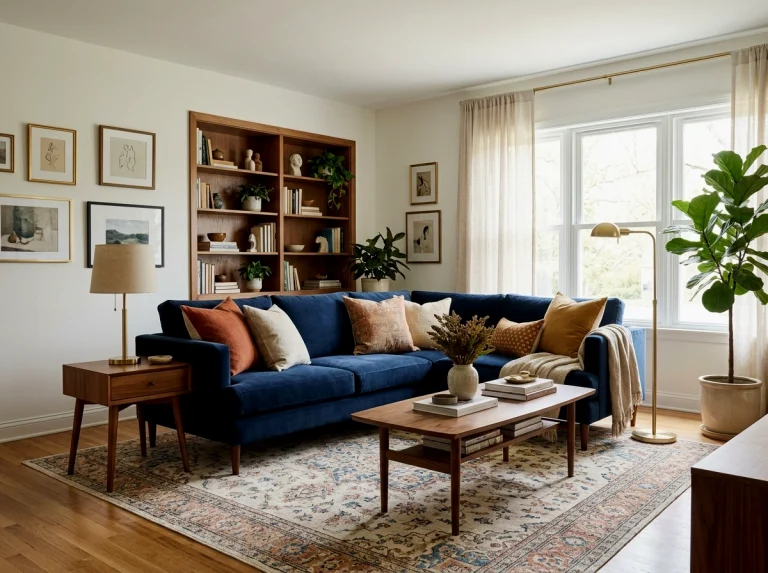
Cheap version: small cushions, limply filled, sliding down the sofa like they came free with it, which they probably did. Expensive read: generous cushions with full, plump inserts that hold their shape and take a crease down the middle if you give them one. The fix is usually the insert, not the cover, so buy inserts one size larger than the cover they fill. Fill is visible from across the room, long before anyone notices the fabric.
9. Let curtains puddle or kiss the floor, never hover
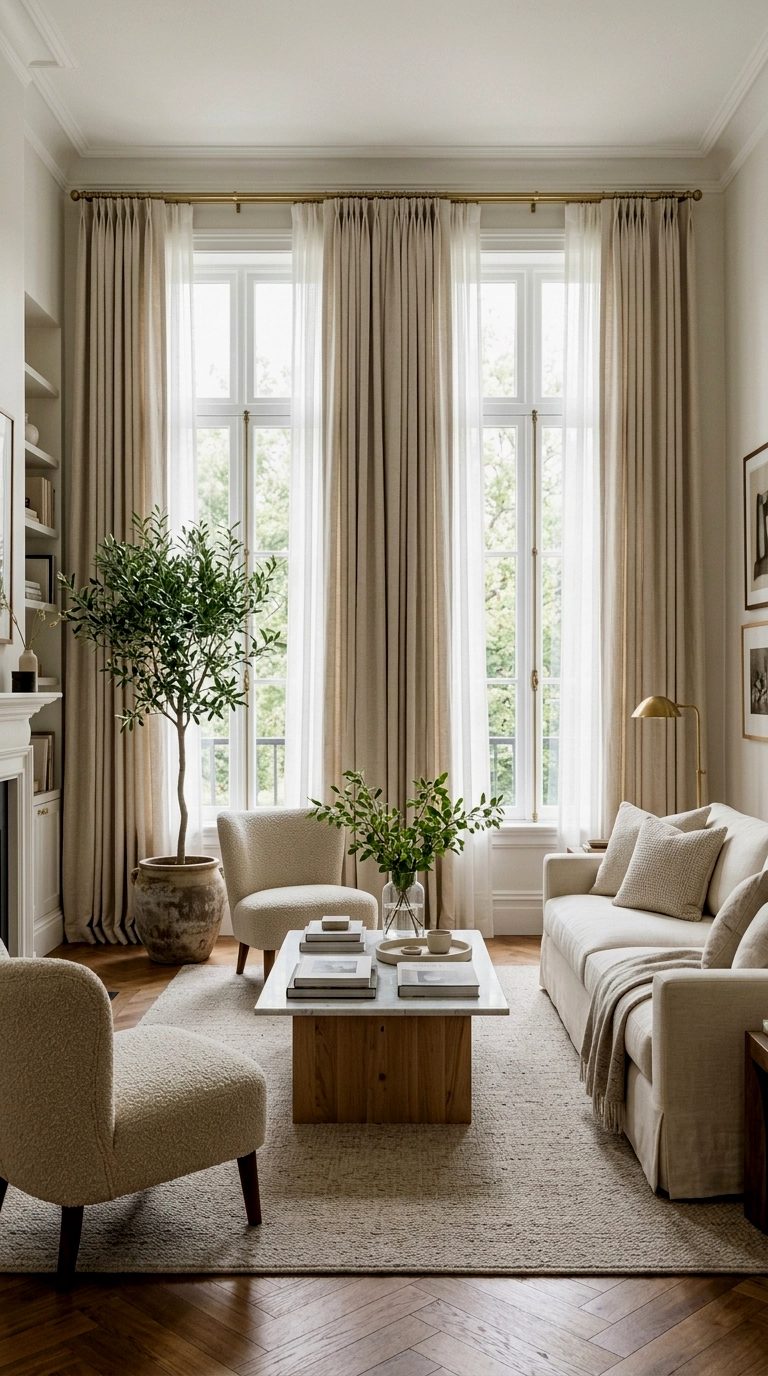
Cheap version: curtains that stop a few inches above the floor, reading as a measurement mistake whatever they cost. Expensive read: fabric that reaches the floor and just kisses it, or puddles slightly, the way made to measure curtains are hung. If yours hover, drop the hem if there is one, or rehang the rail higher so the length lands where it should. Length forgives almost any fabric, shortness forgives nothing at all.
A hovering hem is the loudest cheap tell in fabric.
Stone and Ceramic Looks
10. Choose heavy ceramic over lightweight resin ornaments
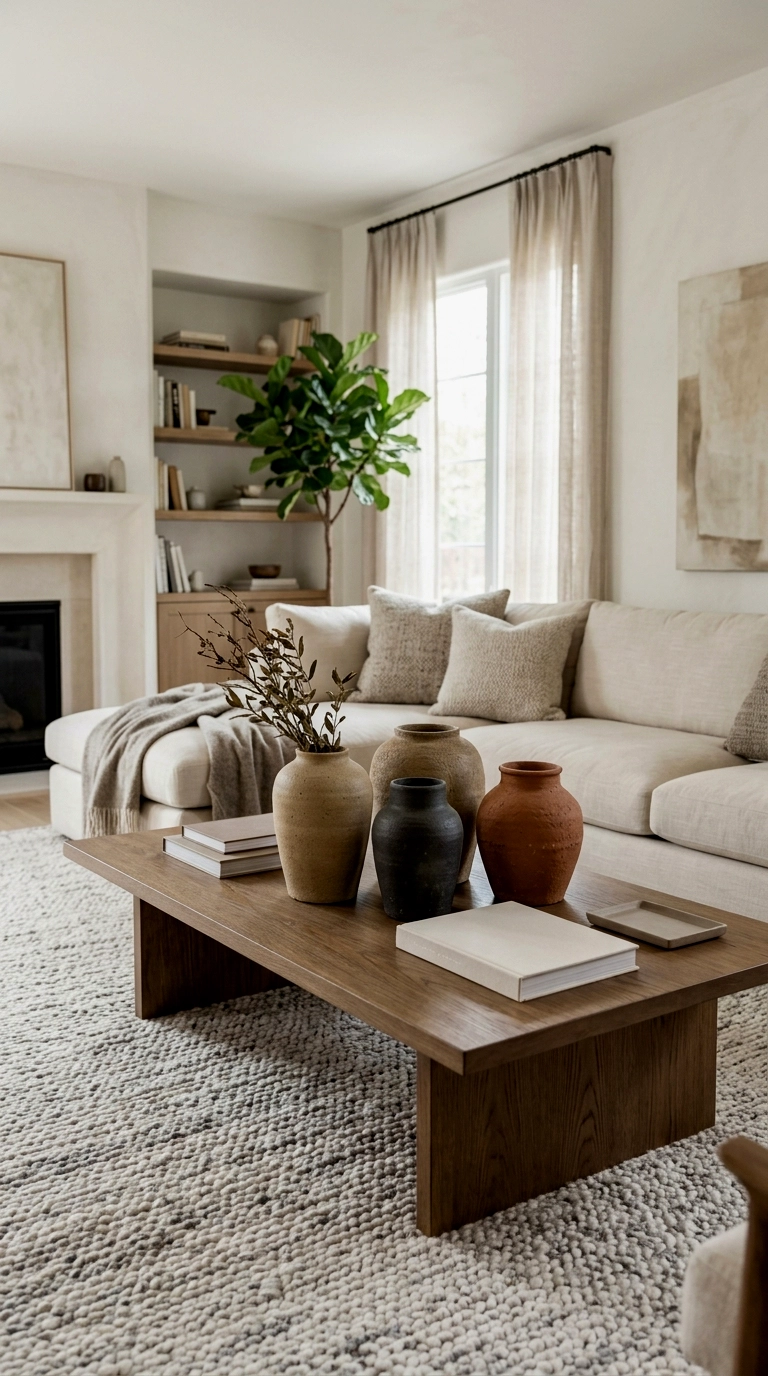
Cheap version: resin ornaments that look plausible on the shelf and feel like toys the moment you pick them up. Expensive read: stoneware and ceramic with real heft, pieces that sit still and quiet on a surface, the way heavy objects do. Weight is judged twice, once by the eye watching how a thing sits, once by the hand. Plain heavy ceramics from budget ranges pass both tests, so choose simple shapes and let the weight speak.
11. Use real marble or stone in one small dose
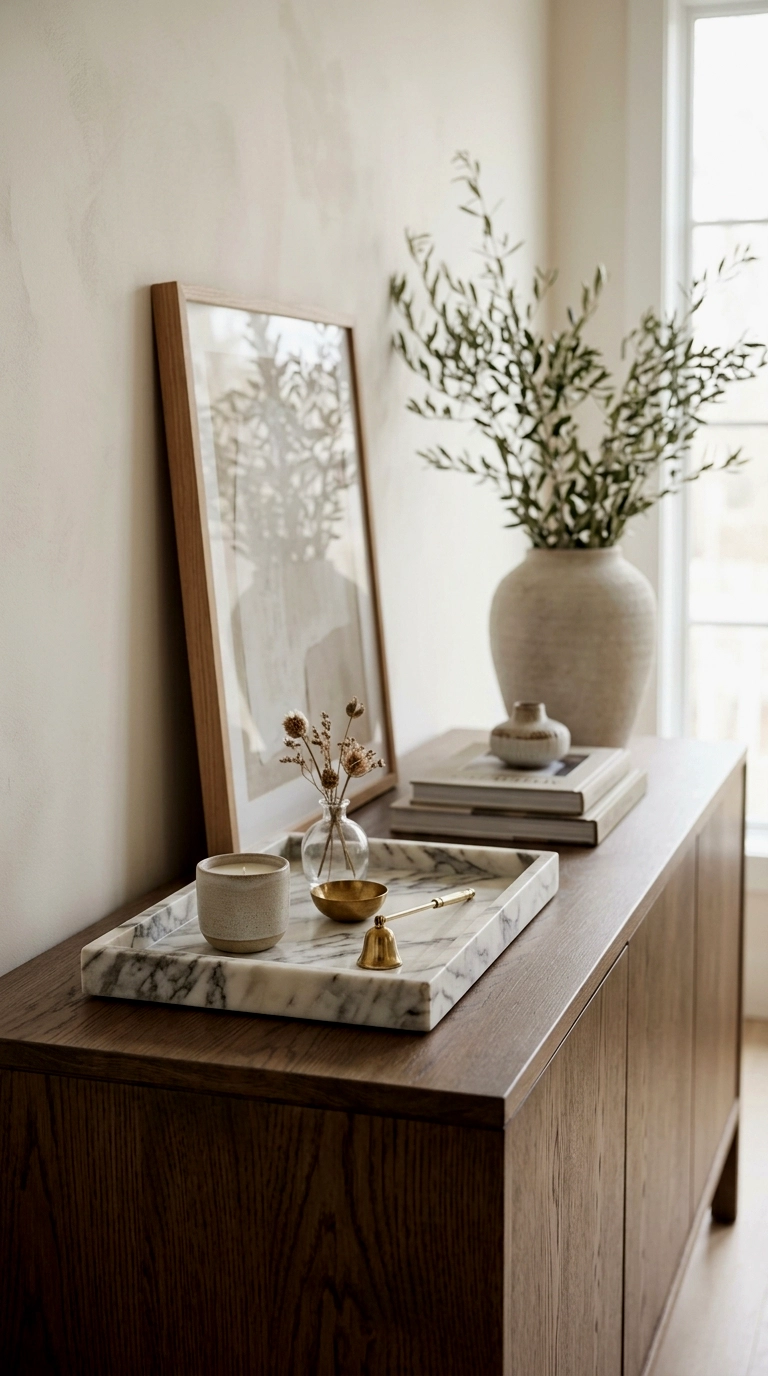
Cheap version: printed faux marble spread across big surfaces, coasters, tables, trays, where the repeated pattern gives the game away. Expensive read: one small piece of the real thing, a marble board, a stone tray, a set of coasters, used where hands and eyes get close. It is the same restraint that anchors a luxury bedroom on a budget, one honest material doing more than a room of imitation.
One square foot of real stone outperforms a whole room of pretend.
The Finishing Rules
12. Group cheap objects in odd numbers with space between
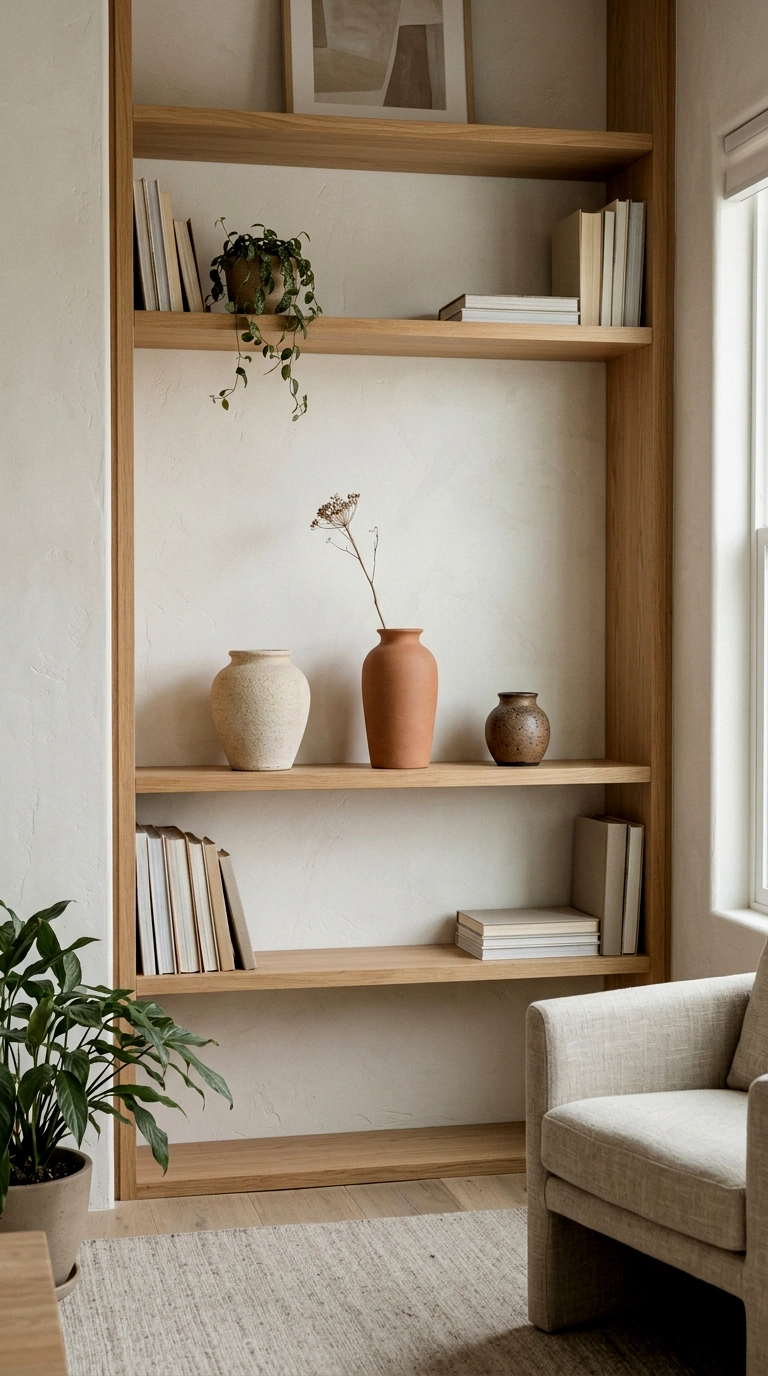
Cheap version: objects lined up in a row, shoulder to shoulder, like stock waiting on a shop shelf. Expensive read: the same objects arranged in threes and fives, with visible air between the groups, the way collections are displayed. Spacing costs nothing, which makes it the most unfair trick in this article. Regroup one shelf with gaps between the clusters and the exact same vases will look curated by the end of the afternoon.
13. Remove the object that is trying hardest
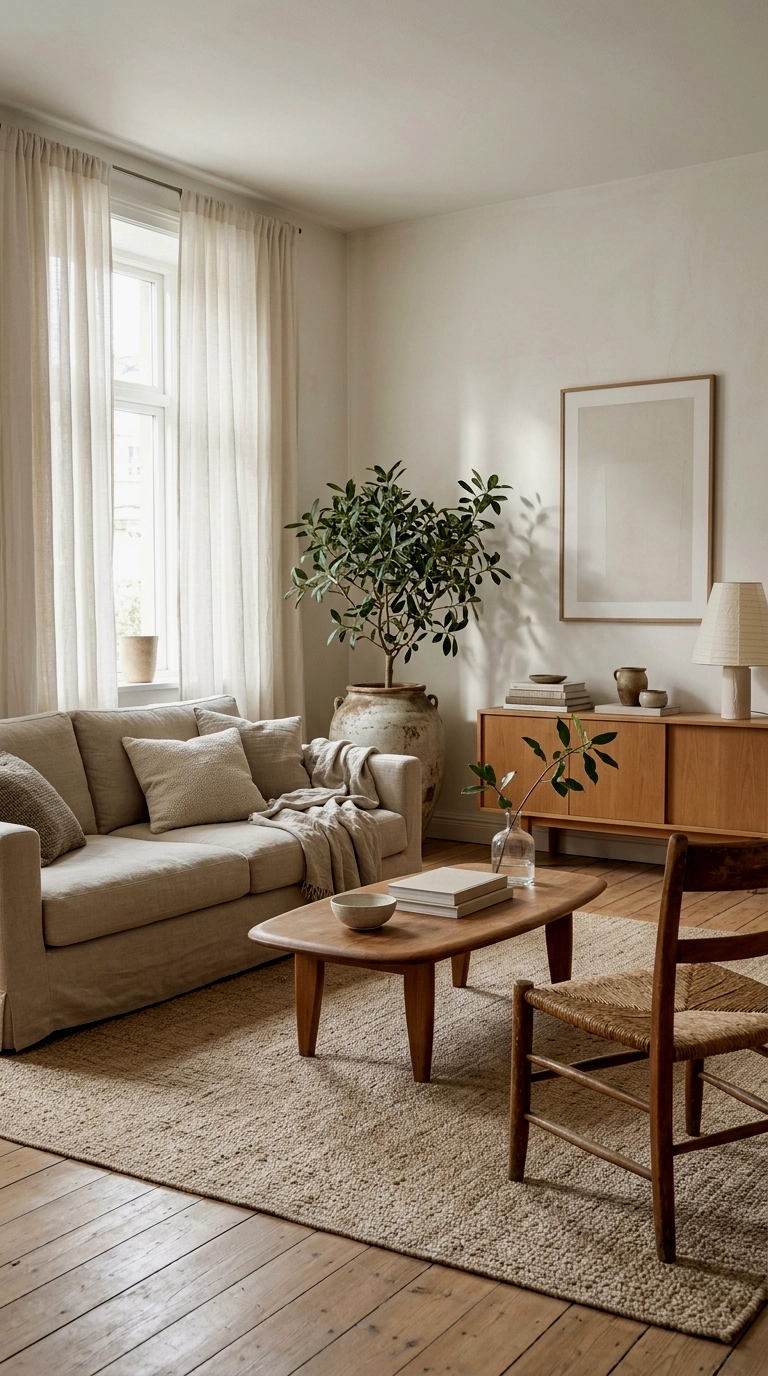
Cheap version: the one piece in the room over performing its luxury, the crystal effect chandelier, the frame with gold everything, the ornament that sparkles from the doorway. Expensive read: restraint, rooms where nothing is begging to be mistaken for something pricier. Take the loudest faker out for one week and live with the gap. The average of everything left rises on its own, and most people never put the piece back.
Expensive rooms are quiet, so edit until yours is.
And the four mistakes that undo good materials fastest, each with its fix.
The Four Mistakes
- Matching sets bought in one box: split the pieces across different rooms and mix the finishes instead.
- Every surface in the same shiny finish: swap one piece to matte or brushed and the rest calm down.
- Tiny art lost on a big wall: group small pieces into one cluster, or reframe one print with a wide mount.
- Blue white bulbs in the evening: change to warm bulbs around 2700K so budget materials stop confessing under cold light.
Try the five second test tonight. Stand at your front door, come in as a guest would, and let your eye land where it lands. It will not check your receipts. It will read the metal, the glass, the wood tone, the fabric and the weight of things, exactly as this article did. Wherever the read comes back cheap, you now know which small fix to make first.