DIY Transform Any Room in a Weekend: Pick Projects That Actually Finish
Here is the honest test of a weekend project: by Sunday evening, is it done, dry and styled, or is it a half sanded dresser and a room you have to step around? Half finished work does not transform anything. It just moves the mess into a more expensive shape, and it tends to sit there for months, quietly putting you off starting anything else.
So this list is built around one thing only: finishing. Every project below carries a straight rating for time, skill and tools, and they run fastest first, so you can match the job to the weekend you really have. Pick two from the top or one from the bottom, do that one thing properly, and let the room be finished.
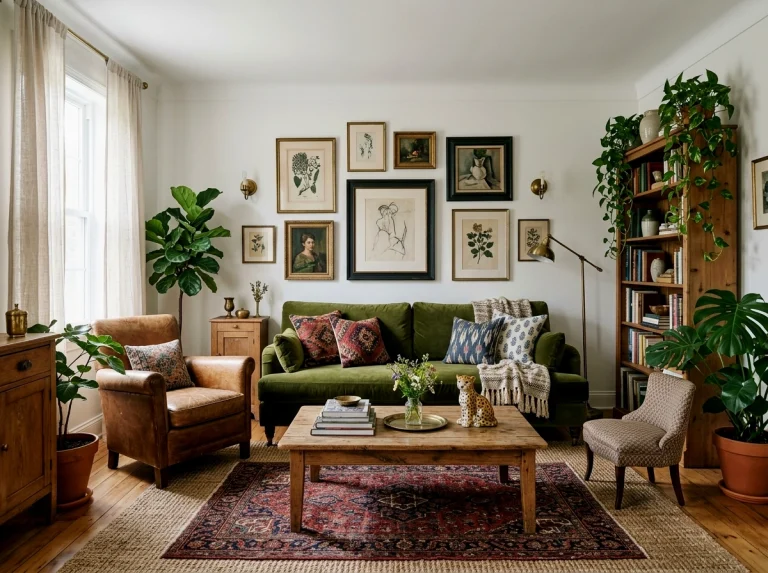
Under Two Hours Each
1. Restyle every surface, then remove one object per room
Time: 1 hour · Skill: none · Tools: a box and a bin bag
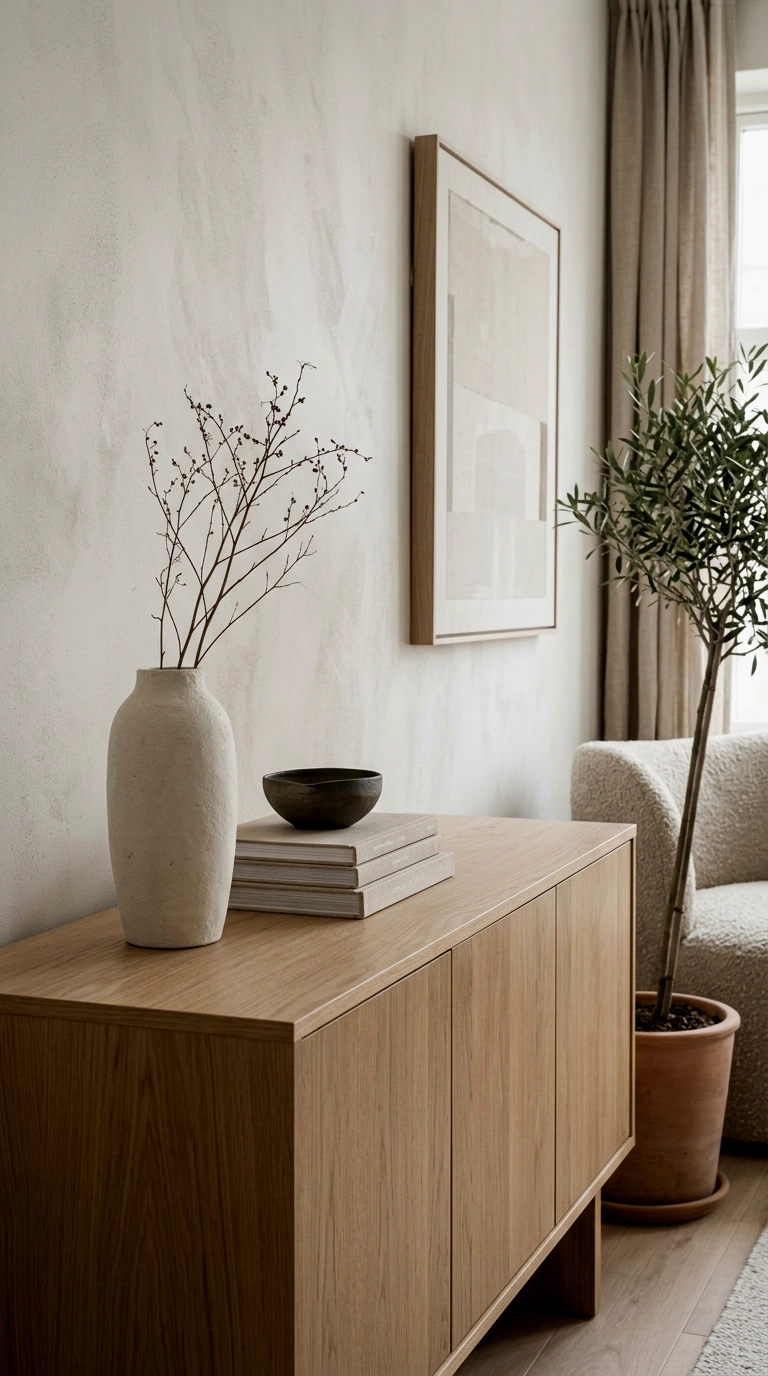
Take everything off one surface at a time and put it back slowly, in small groups, leaving gaps of bare wood or stone between them. When a surface looks right, remove one more object from the room entirely and put it in the box. The box goes in a cupboard for a month. Rooms look sharper the moment they hold less, and you will not miss most of what left.
2. Swap the room’s layout on sliders
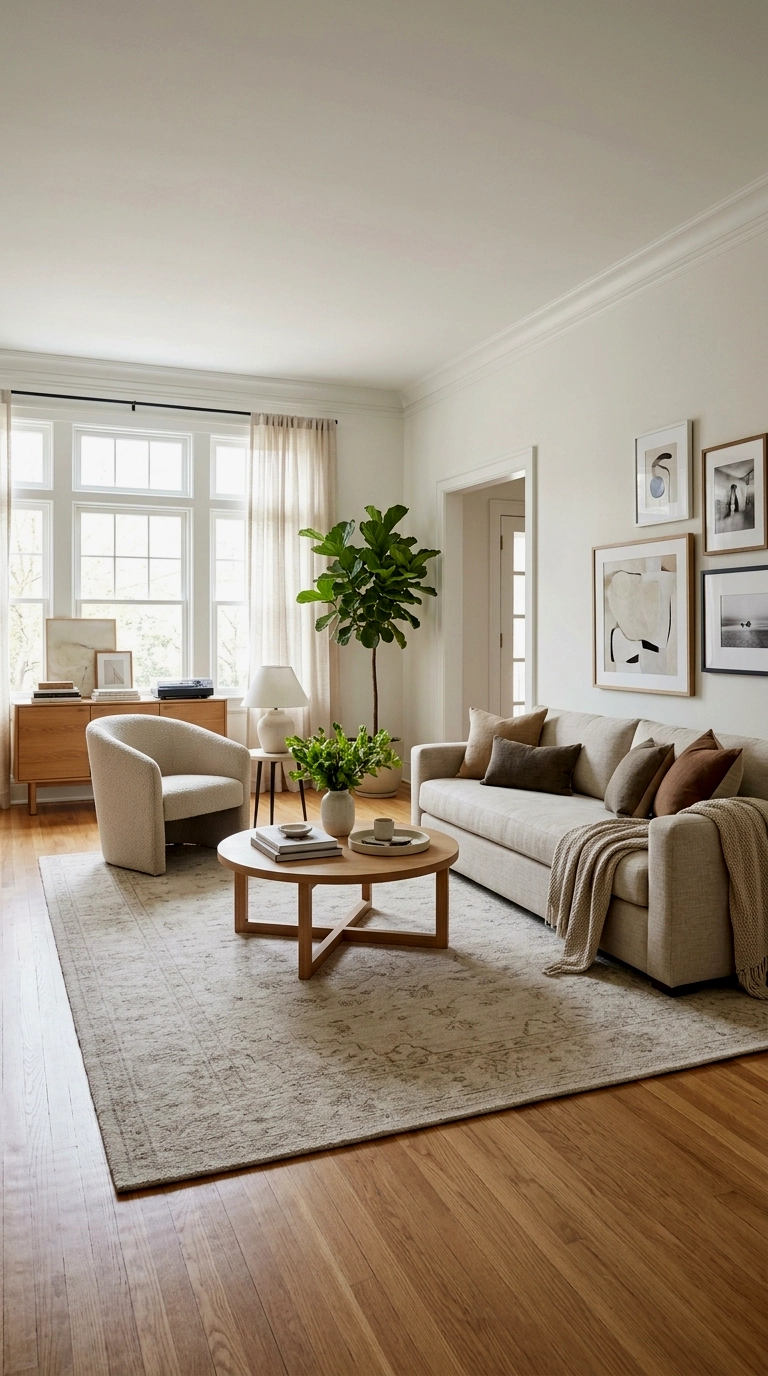
Time: 90 minutes · Skill: none · Tools: furniture sliders or folded towels
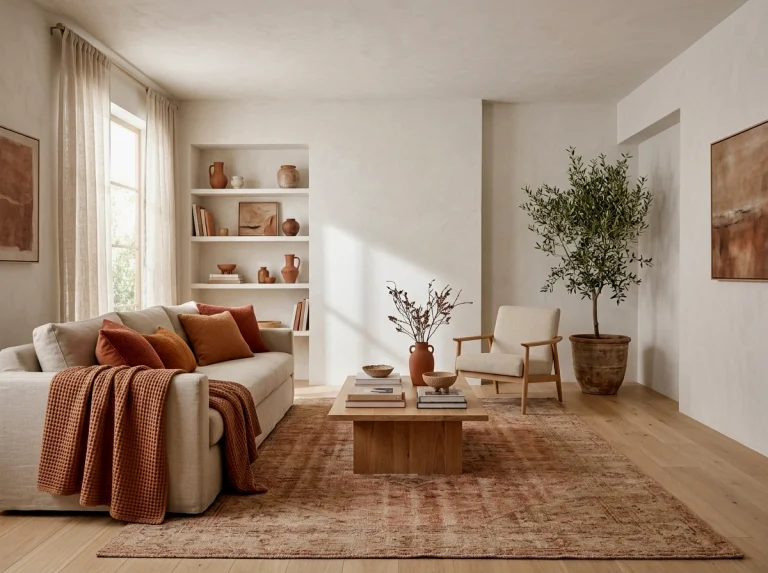
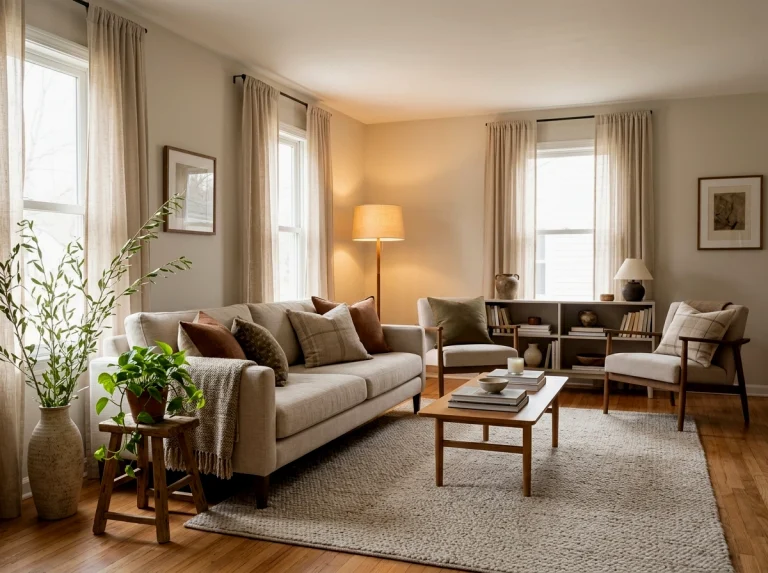
Slide the sofa to the opposite wall, turn the rug around, move the reading chair to the window and see how the room behaves. Old furniture in a new arrangement genuinely reads as new furniture, because you are seeing sides and angles you never look at. It costs nothing and reverses in minutes, which is why it sits at the heart of every rental apartment makeover too: maximum change, zero commitment.
3. Rehang all the art at gallery height
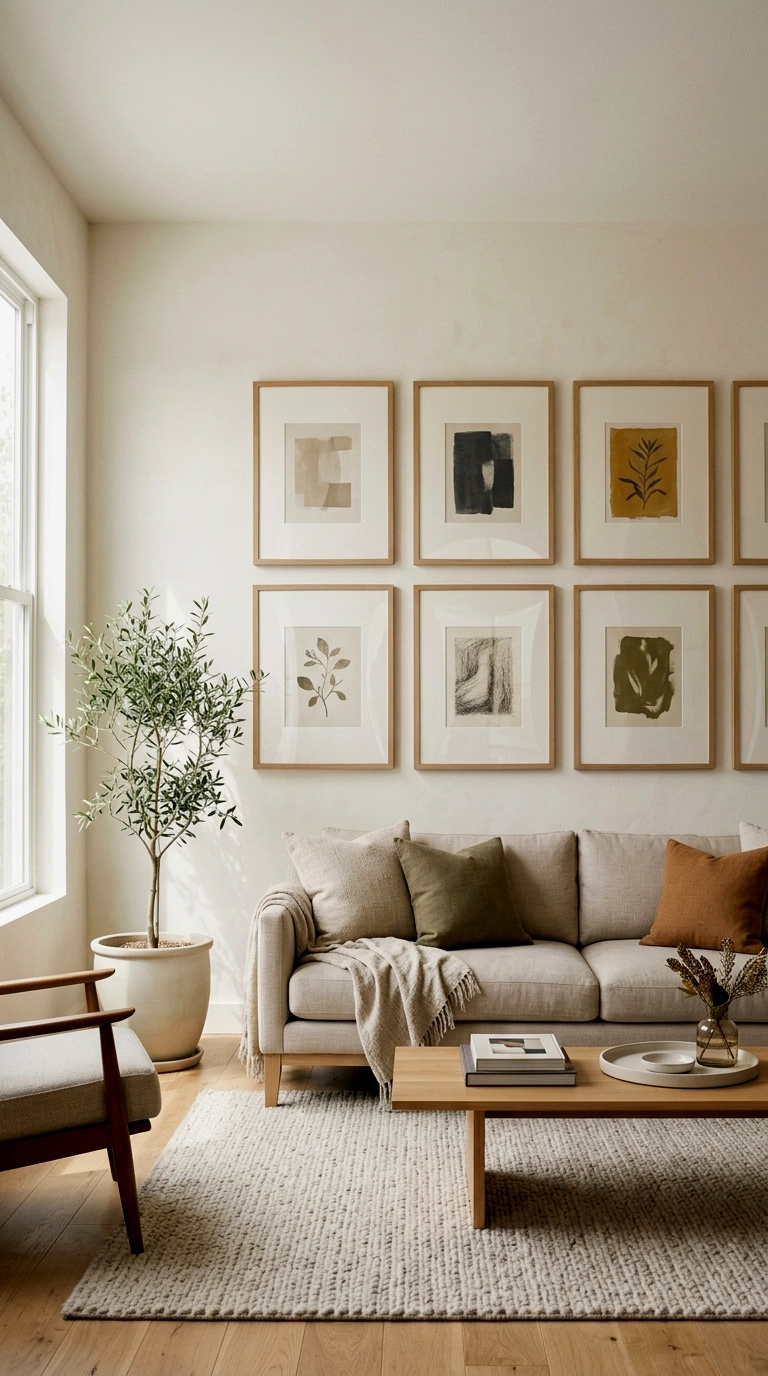
Time: 1 hour · Skill: beginner · Tools: tape measure, level, picture hooks
Most art in most homes hangs too high, where it talks to the ceiling instead of the people sitting down. Bring the centre of each piece to about 145 centimetres from the floor, and treat a group of frames as one single picture when you measure. Keep the gaps between frames even, around five centimetres. It is a small, precise job, and afterwards the walls look like somebody meant them.
Half Day Projects
4. Paint one piece of furniture properly
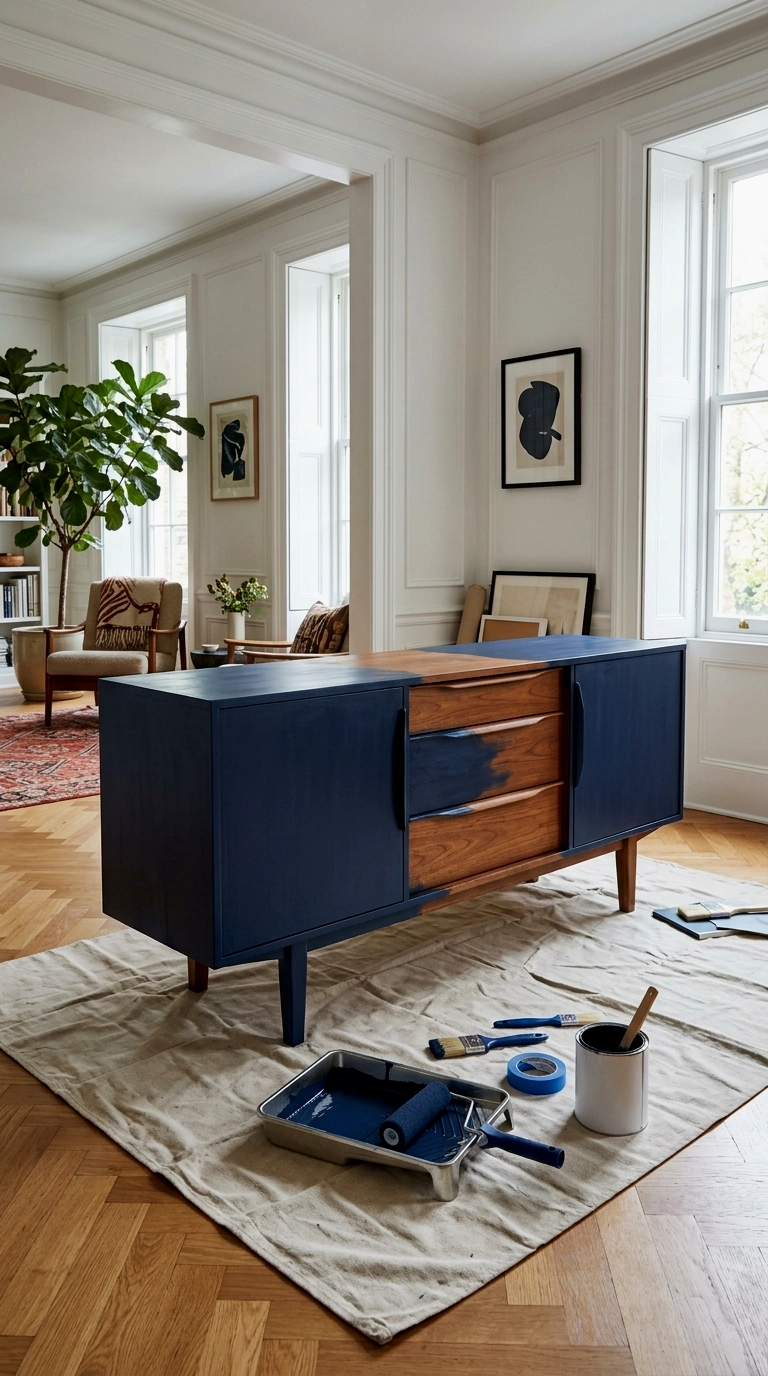
Time: 4 hours including drying · Skill: beginner · Tools: sandpaper, primer, small roller, brush
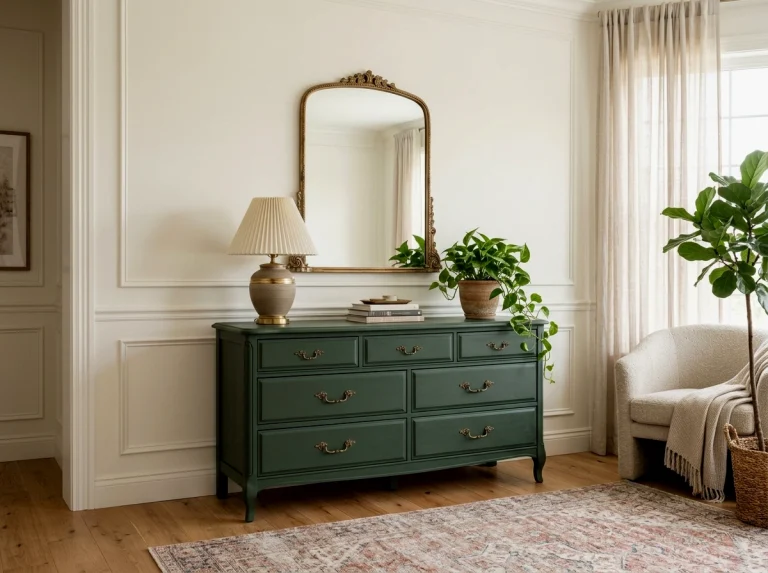
Choose one piece with good bones and a tired finish, a dresser, sideboard or kitchen table. Clean it, sand it back, prime it, then build the colour up in two thin coats instead of one thick one, letting each dry fully. Thin coats level out smooth and hard; thick coats drip and stay soft. One well painted piece anchors a whole room, and if the paint predates the 1980s, test it for lead before you sand.
5. Fit a picture ledge wall
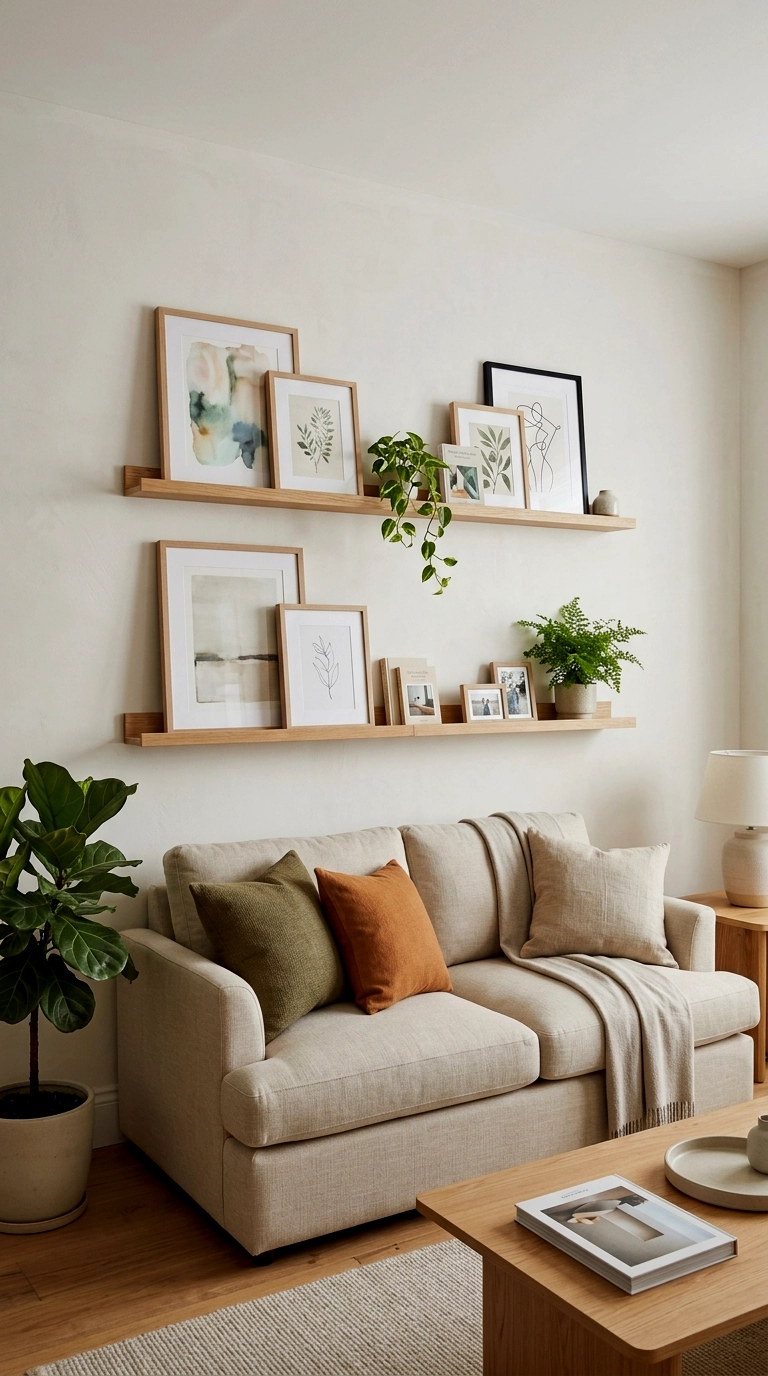
Time: 3 hours · Skill: beginner · Tools: drill, level, stud finder or rated wall fixings
Two slim ledges above the sofa or down a hallway give you a display you can rearrange forever without drilling a single new hole. Lean prints, plates, plants and books along them and change the lineup whenever you like. The weak point is never the ledge itself, it is the fixing, so find the studs where you can and use fixings honestly rated for your wall type and the weight.
6. Lay a peel and stick floor tile zone
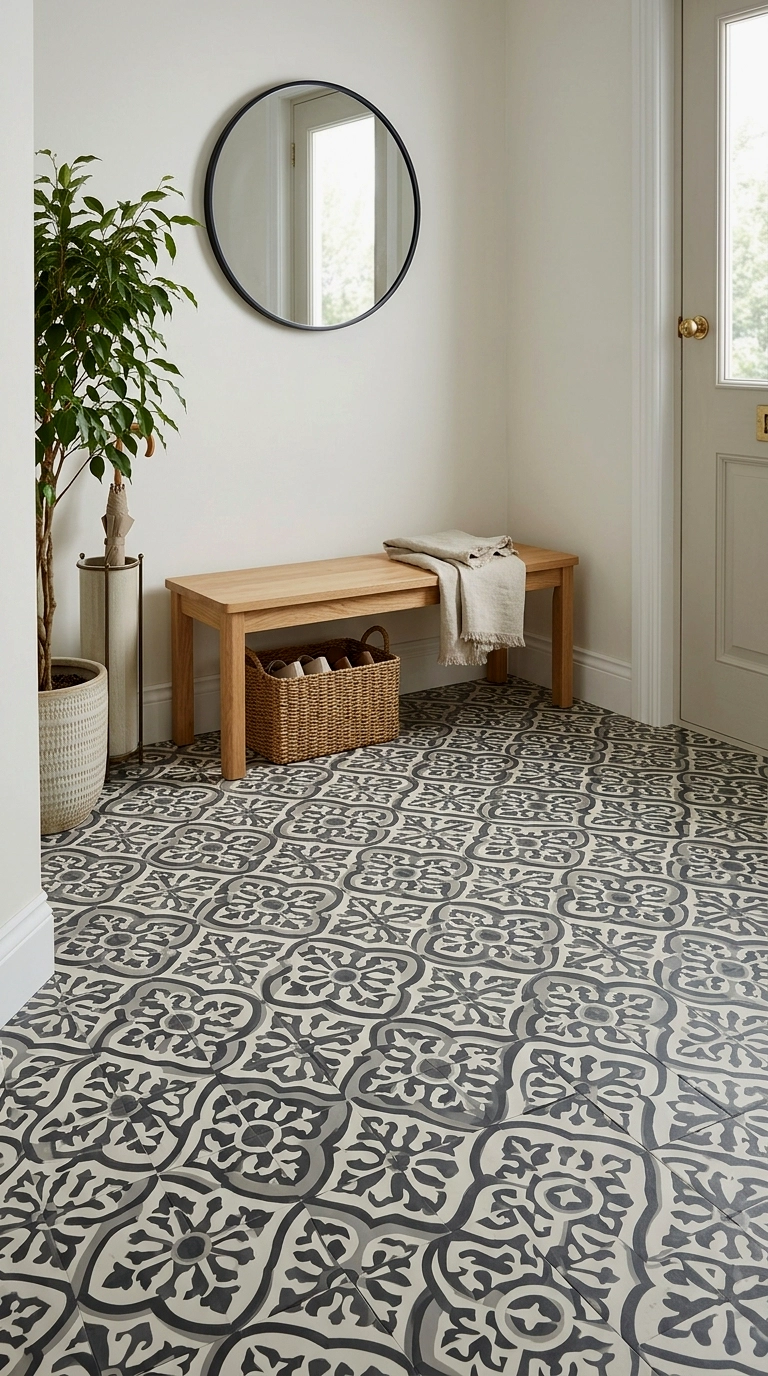
Time: 4 hours for a small floor · Skill: beginner · Tools: utility knife, straight edge, tape measure
Small floors change completely in an afternoon with peel and stick tiles, and entryways and bathrooms are the perfect size to finish. Start from a centre line and work outwards so the pattern stays balanced, save the edge cuts for last, and dry lay the whole floor first to see the pattern breathe. Number the pieces you cut. A floor you can finish by dinner is the right size of ambition.
Pick Your Project in 10 Seconds
How much time do you honestly have?
Four free hours means ideas 1 to 3, done together before lunch. One full day means one project from ideas 4 to 8, with idea 1 as a warm up. Two full days means exactly one project from ideas 9 to 12, and nothing else alongside it.
Are you comfortable with a saw and a drill?
If not, stay with ideas 1 to 6 and 8 to 10, which ask for patience more than power tools. If you are, the board and batten wall at idea 9 gives you the biggest change per wall on this whole list.
What do you want to see from the sofa on Sunday night?
If the answer is a calmer room, edit and rehang. If it is a new colour, paint furniture or limewash. If it is a room that works differently, build the bench seat, the screen or the tiled splashback and change how the space is used.
7. Build a window seat from low bookcases
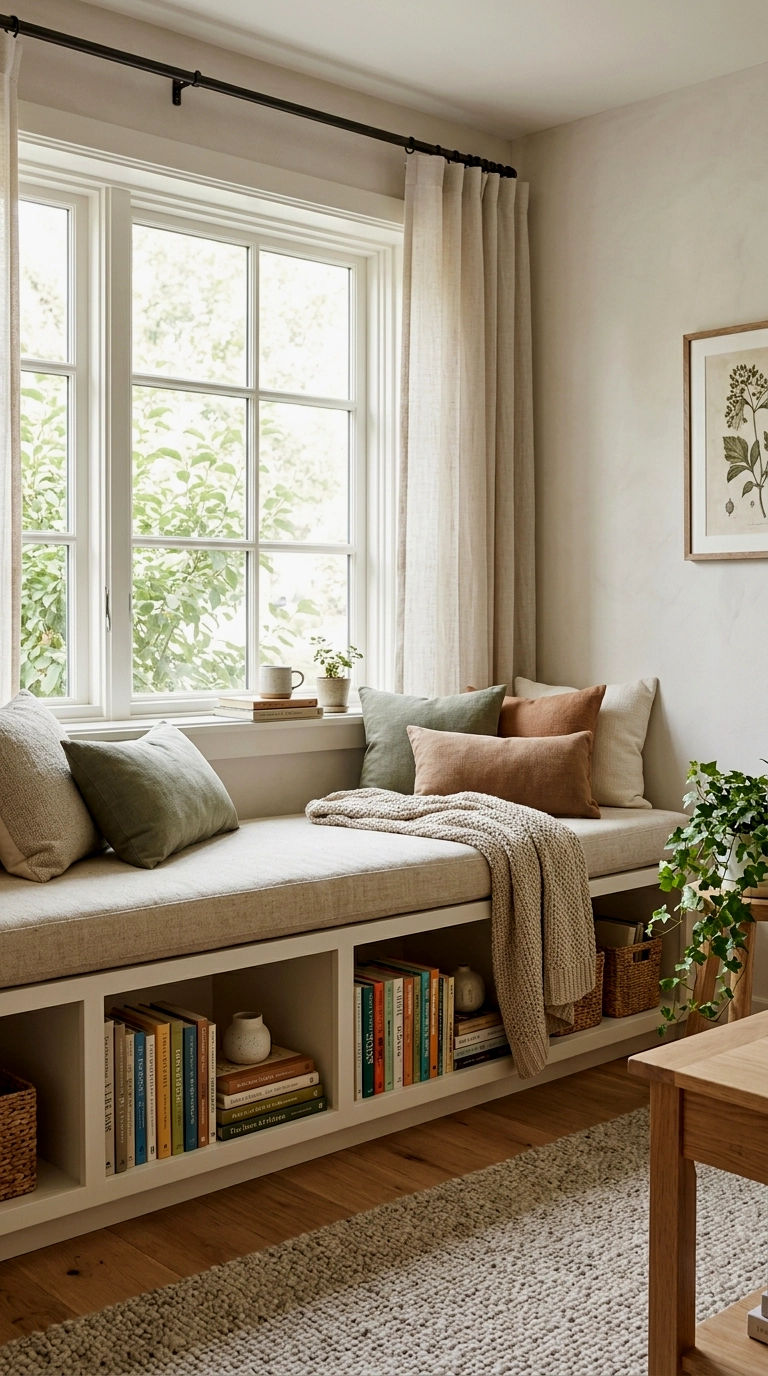
Time: 4 hours · Skill: beginner to intermediate · Tools: drill, screws, cushion or folded quilts
Two sturdy low bookcases, a solid board fixed firmly across the top of both, and cushions over that gives you a seat in the best light in the house, with storage underneath it. Fix the board properly, because a seat that wobbles gets used by nobody. Fill the shelves with the books and blankets that live by a reading spot, and a dead stretch of wall becomes the seat everyone argues over.
8. Wallpaper one wall with a removable panel set
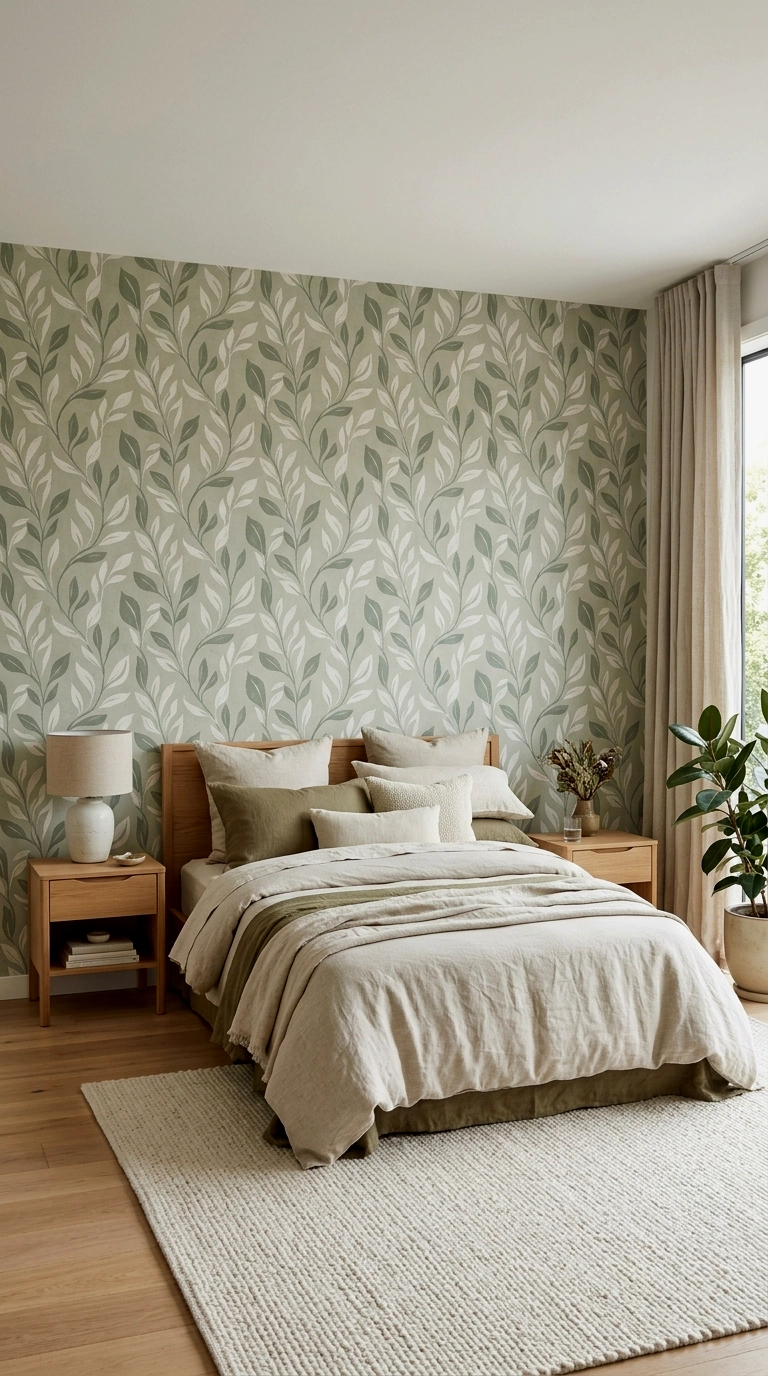
Time: 3 hours · Skill: beginner · Tools: level, smoother, utility knife
One wall of removable wallpaper behind the sofa or the bed changes the temperature of a room faster than any paint decision. Work from a plumb line at the centre of the wall and smooth each panel outwards, so any small mismatch drifts to the corners where nobody sees it. It is the same change first, commitment later thinking as a glow up for free: renters peel it away cleanly, owners just get to enjoy it longer.
Full Weekend Projects
9. Board and batten one wall
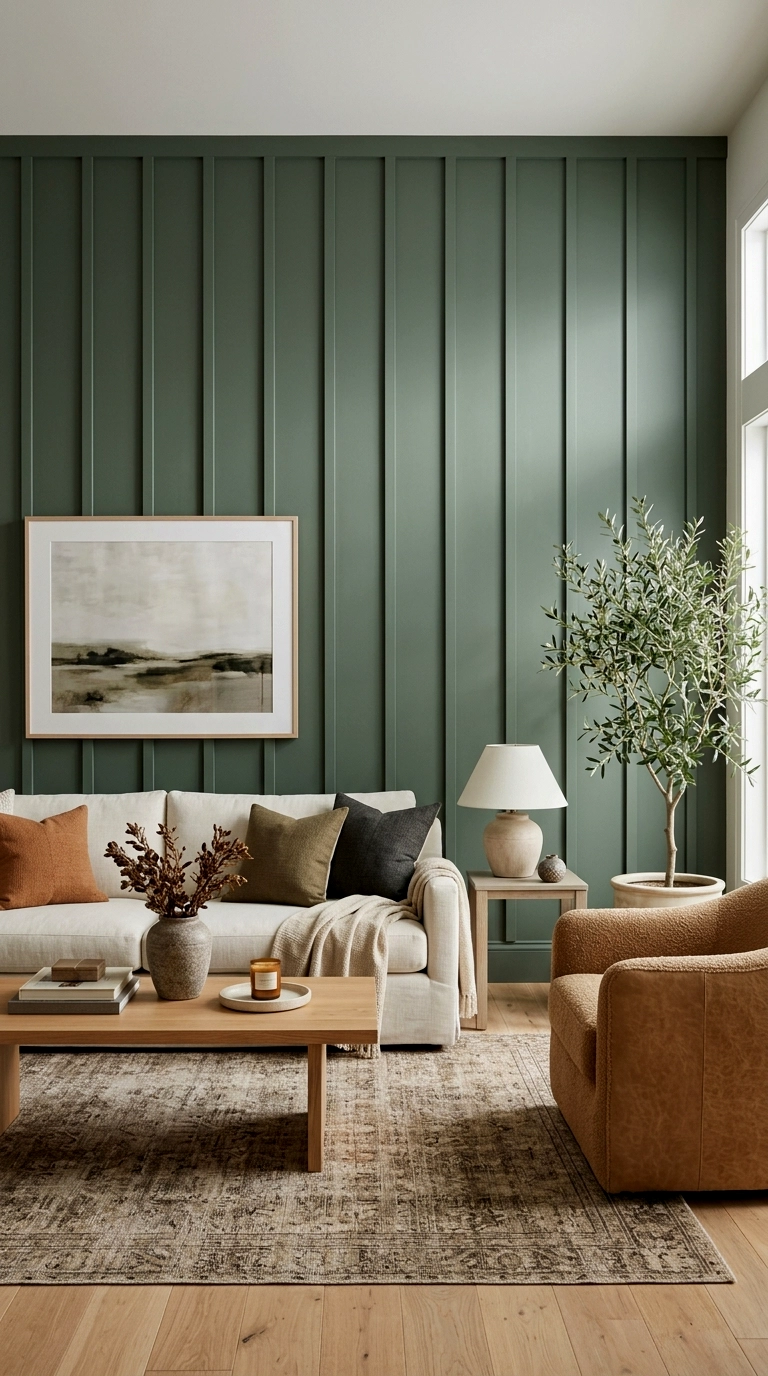
Time: 8 hours across two days · Skill: intermediate · Tools: saw, level, nailer or hammer, caulk, paint
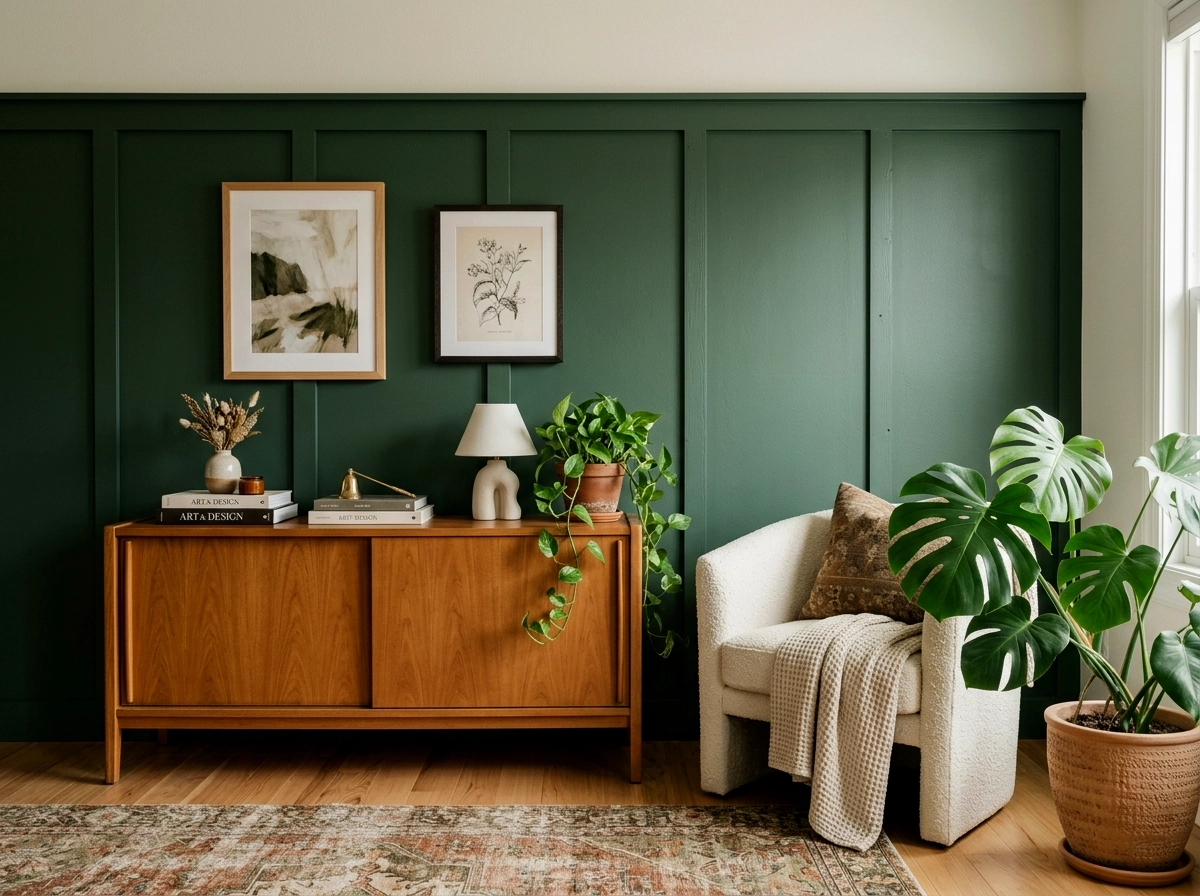
Evenly spaced battens fixed over a smooth wall, every seam caulked, then the whole thing primed and painted as one surface. The wall gains shadow lines and architecture it never had. Measure the actual width of your wall and divide that, rather than copying spacing from a photo, and caulk before paint, not after. It is slow, methodical work, and worth every hour.
10. Limewash or colourwash the walls
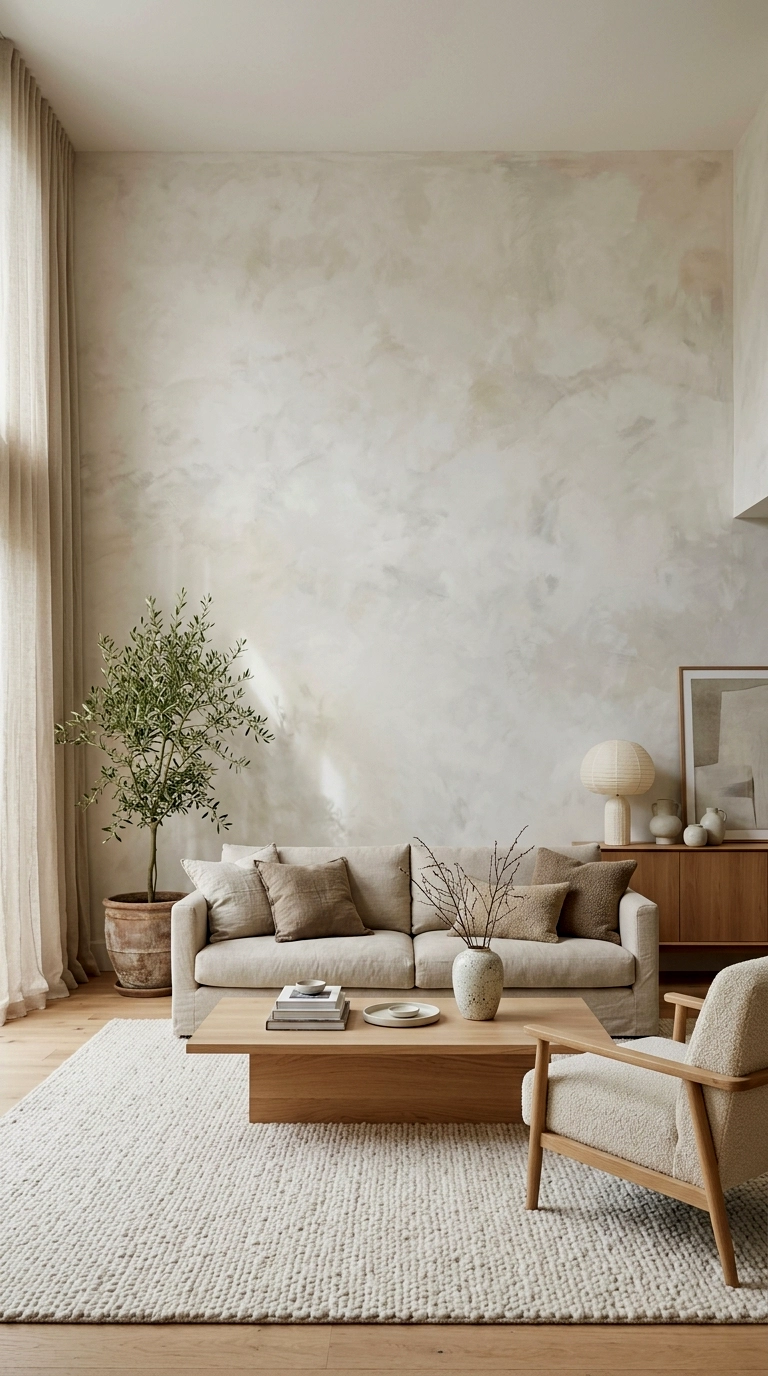
Time: 6 hours across two days · Skill: beginner · Tools: block brush, buckets, drop sheets
Limewash goes on with a big block brush in loose, cloudy crosses, and the layered, uneven colour it dries into is the whole point. It hides a multitude of wall sins, feels soft and old, and no two walls come out identical. Work in sections and keep a wet edge as you go, because limewash remembers every pause. Beginner friendly, but it asks for your full attention while it is wet.
11. Build a simple slat screen or room divider
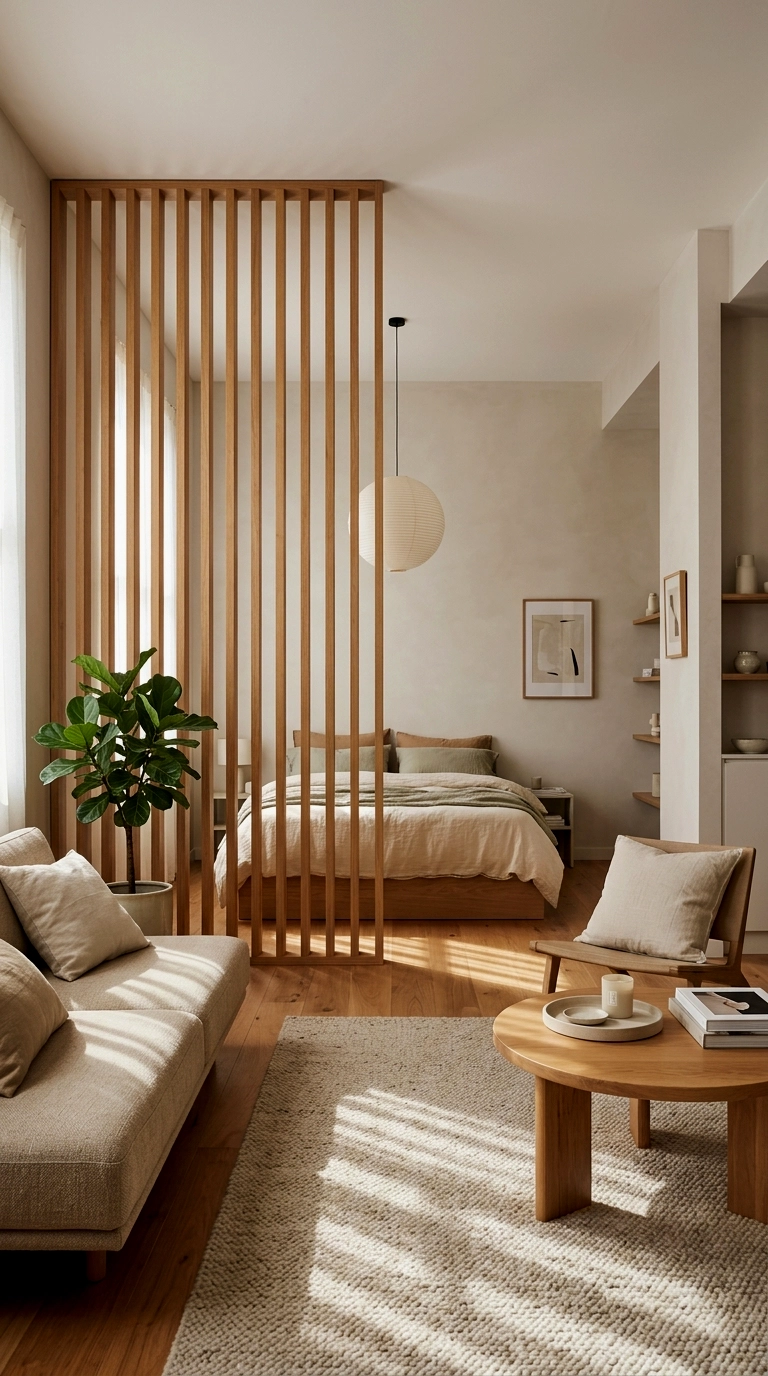
Time: 7 hours · Skill: intermediate · Tools: saw, drill, sander, screws
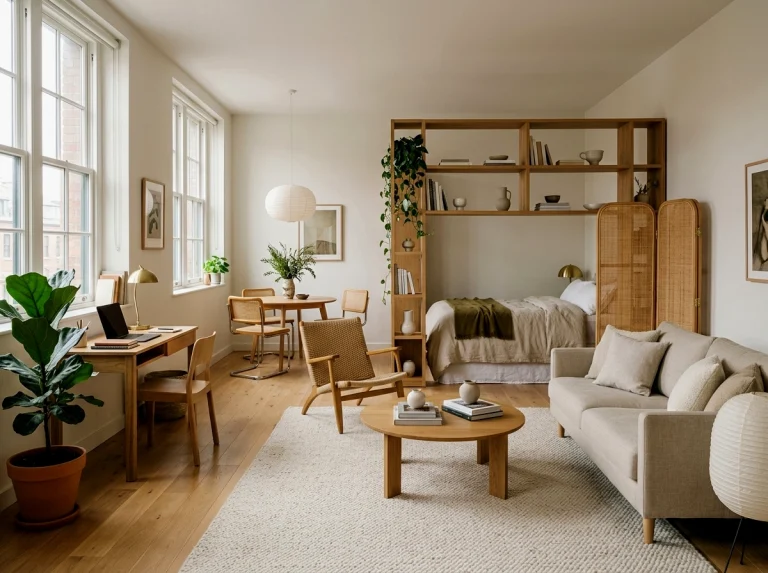
Evenly spaced timber slats fixed to two rails make a divider that splits a studio into living and sleeping, or frames a dining corner, while light still passes through the gaps. Sand every slat and finish with oil so the wood glows instead of greying. Use spacer blocks to keep the gaps honest as you build, because judging them by eye always goes wrong by the third or fourth slat.
12. Retile a splashback with a mesh backed mosaic
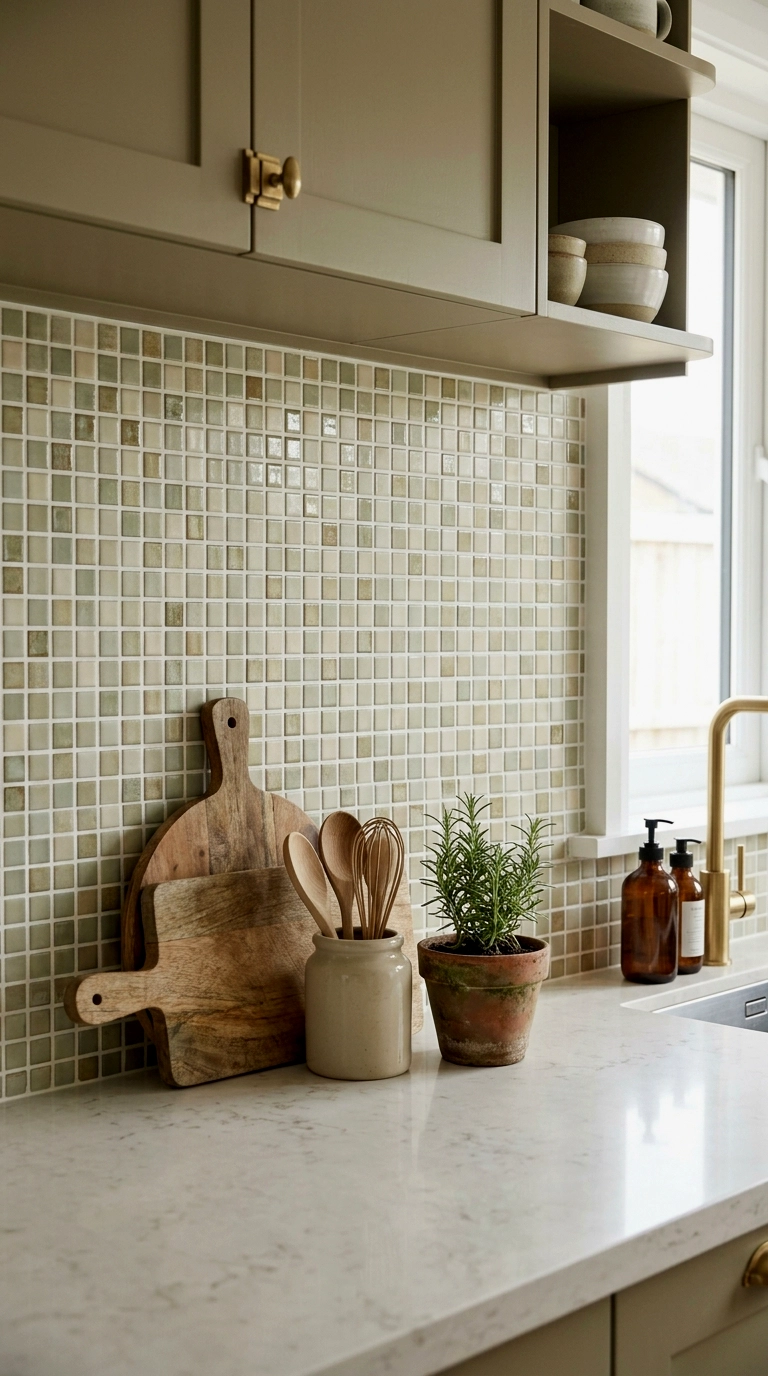
Time: 9 hours across two days · Skill: intermediate · Tools: notched trowel, adhesive, grout, spacers, sponge
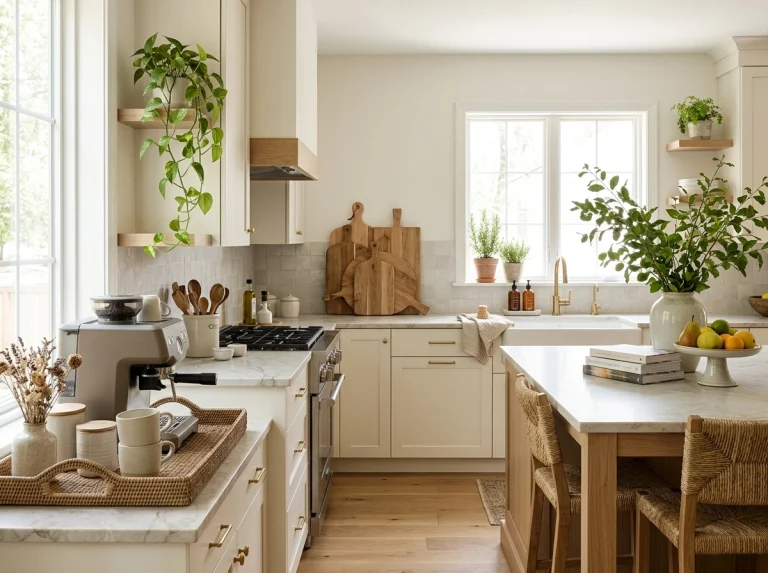
Mesh backed mosaic sheets take the terror out of tiny tiles, because the spacing is done for you. Spread the adhesive, press each sheet home fully, check your lines every few rows, then grout the next day when everything has set. Small drifts in alignment compound quietly, so checking often is the difference between a renovation look and a wobbly one. Finish with sealer and the kitchen stops looking refreshed. It looks renovated.
The short tool list that covers nearly everything above
- Tape measure: every project here starts with real numbers, and guessing shows in the finish
- Level: art, ledges and battens all betray a slope the naked eye forgives until it is painted
- Drill driver: the one power tool behind almost every fixed project on this list
- Sandpaper, 120 and 180 grit: paint only sticks and levels properly on a prepared surface
- Utility knife with spare blades: peel and stick work is only as clean as the blade is sharp
- Painter’s tape: it protects edges, marks stud lines and holds pieces steady while glue grabs
Sunday evening is the real deadline, and it is kinder than it sounds. One project, finished completely, styled and photographed, changes how the whole room feels when you sit down in it with a drink. That finished room is also your proof for next time: you do not need a bigger weekend, you need a project with an ending, and now you know exactly how to pick one.