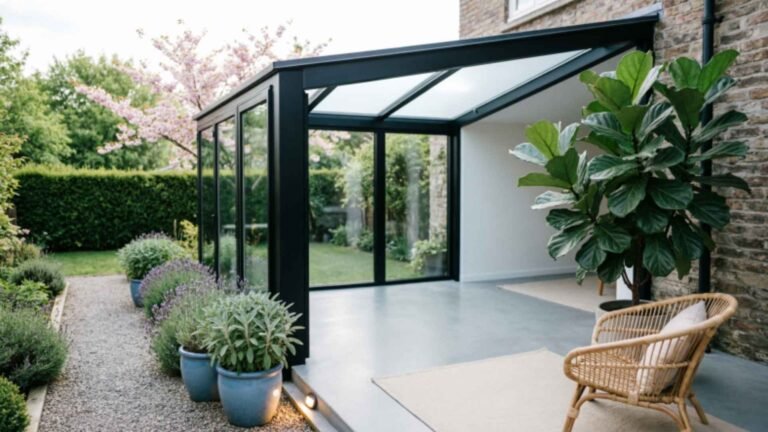
Zen Garden Ideas That Turn Any Space Into a Peaceful, Stylish Retreat

A beautiful Zen garden is one of the best ways to create a calm and refreshing space at home. In today’s busy world, many people want outdoor and indoor areas that reduce stress and improve focus. A well-designed Japanese Zen garden combines simplicity, natural elements, and balanced layouts to build a peaceful atmosphere. From small corners to large backyards, Zen gardens use gravel, stones, plants, and minimalist décor to create a relaxing environment that feels modern and timeless at the same time.
These trending Zen garden ideas are perfect for anyone who wants a stylish and low-maintenance landscape. Whether you prefer a traditional look or a modern minimalist design, Zen gardens fit every type of home. They improve visual beauty while supporting meditation and mindfulness. In this guide, you will find creative and practical inspiration to design a serene Zen outdoor space that feels elegant, organized, and deeply calming, making your home a personal sanctuary of peace.
Traditional Rock Zen Garden

A traditional rock garden is one of the most classic Zen garden designs. It uses gravel, sand, and carefully placed rocks to create a peaceful landscape. Raked patterns in the sand represent flowing water, while stones symbolize mountains. This simple setup encourages mindfulness and meditation.
You can build this type of Japanese rock garden in a small yard or even a patio area. Use fine gravel and large natural stones to maintain an authentic appearance. Keep the design minimal and clean to support relaxation and focus.
MUST READ: https://trandyedge.com/outside-barbecue-area-ideas/
Mini Indoor Zen Garden

A mini indoor Zen garden is perfect for homes with limited outdoor space. It uses a small tray filled with sand, tiny stones, and miniature decorations. This compact design provides a calming activity and decorative touch.
Place your indoor Zen garden on a desk or shelf where you can easily access it. Raking the sand helps reduce stress and improve concentration. Choose natural materials to keep the atmosphere peaceful.
Zen Garden with Water Feature
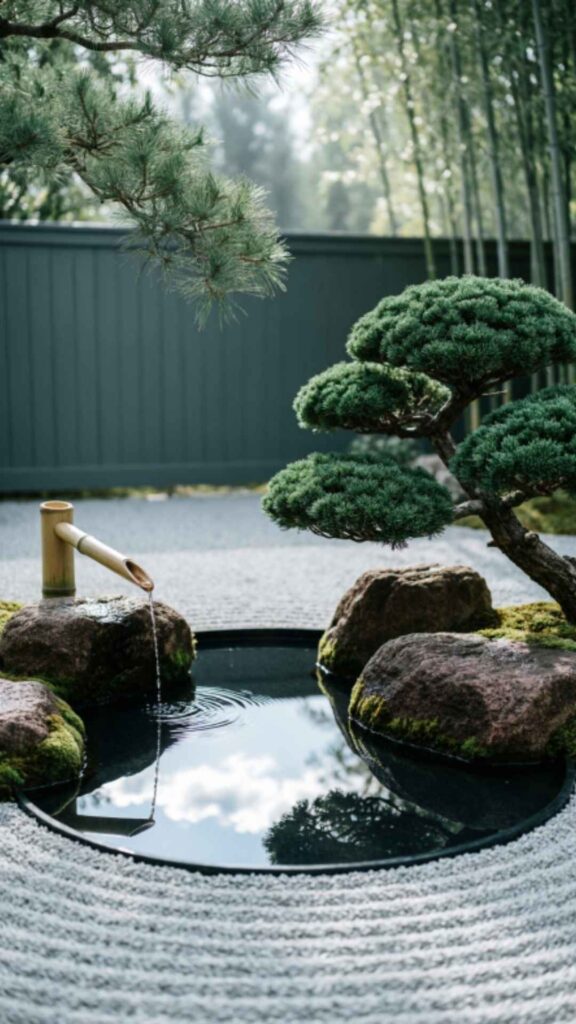
Adding a water element increases the relaxing effect of a Zen garden. A small fountain or pond introduces soothing sounds that promote calmness. Water symbolizes purity and movement in Zen landscaping.
Position the water feature as a focal point in your garden. Surround it with stones and plants to create balance. The gentle sound of flowing water enhances meditation and relaxation.
Bamboo Zen Garden Pathway

A bamboo pathway adds structure and natural beauty to your Zen space. Bamboo is a strong symbol of simplicity and strength in Japanese garden design. It guides visitors gently through the garden.
Use bamboo borders and stepping stones to form a clear walking path. This layout encourages slow movement and mindful walking. The natural texture blends perfectly with sand and greenery
Moss-Covered Zen Garden

Moss creates a soft and natural carpet that enhances the peaceful mood of a Zen garden. It grows well in shaded areas and adds rich green color. Moss gardens feel calm and timeless.
Combine moss with stones and gravel for contrast. This natural Zen garden style requires minimal maintenance and looks beautiful year-round. It creates a quiet environment ideal for reflection.
Modern Minimalist Zen Garden

A modern Zen garden uses clean lines and simple elements. Neutral colors and geometric shapes create a stylish and organized appearance. This design suits contemporary homes.
Use smooth concrete, fine gravel, and a few sculptural stones. Keep decorations minimal to preserve balance. A minimalist Zen landscape feels open and uncluttered.
Zen Garden with Wooden Bridge

A small wooden bridge adds charm and symbolism to your garden. It represents transition and journey in Japanese Zen philosophy. Even a decorative bridge enhances visual interest.
Place the bridge over gravel or a dry stream design. Surround it with plants and stones for harmony. This feature becomes a beautiful focal point.
Courtyard Zen Garden

A courtyard Zen garden transforms an enclosed space into a peaceful retreat. Walls provide privacy and quiet. This setup works well for urban homes.
Use vertical plants, gravel, and simple seating. A private Zen courtyard creates a calm sanctuary away from noise. Keep the design balanced and open.
Zen Garden with Stone Lanterns

A Zen garden with stone lanterns adds a traditional Japanese touch and gentle elegance. Stone lanterns, also called Japanese garden lanterns, symbolize light and guidance. They create a soft visual focus that enhances the peaceful mood of the space.
Place the lantern near rocks or along a gravel path to highlight important areas. Choose natural stone materials to maintain harmony with the environment. This feature brings authenticity and timeless beauty to your Zen landscape design.
Sand Pattern Meditation Garden

A sand pattern meditation garden focuses on artistic raked designs. Carefully drawn patterns in the sand represent waves and flowing energy. This practice encourages calm thinking and mindfulness.
Use fine white sand and a simple rake to create patterns. Keep the area clean and uncluttered to preserve balance. A meditation Zen garden helps reduce stress and supports quiet reflection.
Zen Garden with Bonsai Trees

Bonsai trees add a living artistic element to your Zen garden. These miniature trees symbolize patience and careful care. They introduce greenery without overwhelming the design.
Place bonsai trees on stones or wooden platforms. Combine them with gravel and small rocks for balance. A bonsai Zen garden blends nature and art beautifully.
Dry Stream Zen Garden

A dry stream design uses stones and gravel to imitate flowing water. This style is common in Japanese dry landscape gardens. It creates movement without using real water.
Arrange smooth pebbles in curved lines to represent a river. Add larger stones to mark the edges. This design adds visual flow and harmony to your garden.
Zen Garden with Seating Area

Adding a seating area invites relaxation and meditation. A simple wooden bench or stone seat fits perfectly into a Zen setting. Comfort encourages longer moments of peace.
Place the seating where you can view the entire garden. Surround it with plants and stones for a calm atmosphere. A Zen meditation space becomes a personal retreat.
Small Balcony Zen Garden

Even a balcony can become a peaceful Zen garden. Use containers with gravel, small stones, and plants. Compact designs work well in limited spaces.
Choose minimalist decorations and neutral colors. A balcony Zen garden offers a quiet escape in busy city environments. It proves that size does not limit tranquility.
Zen Garden with Natural Wood Elements

Natural wood adds warmth and organic texture to a Zen garden. Wooden fences, decks, or sculptures enhance the natural feel. Wood represents growth and life.
Combine wood with stones and sand for contrast. Keep shapes simple and clean. A natural Zen garden style feels welcoming and balanced.
Night-Lit Zen Garden

Soft lighting transforms a Zen garden after sunset. Gentle lights highlight key features without disturbing calmness. Warm tones create a peaceful nighttime atmosphere.
Use hidden lights near rocks and pathways. Avoid bright or harsh illumination. A Zen garden lighting design adds beauty and serenity in the evening.
Zen Garden with Stepping Stones

A Zen garden with stepping stones creates a gentle walking experience that encourages mindfulness. Stepping stones guide visitors slowly through the space and promote awareness of each step. This feature blends beauty and function in a simple way.
Choose natural flat stones and arrange them in a flowing pattern. Surround the path with gravel or moss for contrast. A Zen stepping stone pathway adds movement and balance to the overall design.
Indoor Tabletop Zen Garden

An indoor tabletop Zen garden offers a small but calming decorative element. It fits perfectly on office desks or living room tables. This mini garden creates a peaceful visual break during busy days.
Use fine sand, tiny stones, and small figurines to design your setup. Keep the arrangement minimal and neat. A tabletop Zen garden supports relaxation and focus indoors.
Zen Garden with Evergreen Plants

Evergreen plants keep your Zen garden vibrant all year. They symbolize longevity and stability in Japanese garden traditions. Their constant greenery adds life without overwhelming the space.
Select small shrubs or potted evergreens for easy maintenance. Combine them with rocks and sand to maintain balance. A green Zen landscape feels fresh and timeless.
Gravel Circle Zen Garden

A gravel circle design creates a strong visual center. Circular patterns symbolize unity and infinity. This layout encourages meditation and concentration.
Rake the gravel into smooth circular waves around a central stone. Keep the design clean and symmetrical. A circular Zen garden pattern draws attention and calm energy.
Zen Garden with Sculptural Stones

Large sculptural stones serve as artistic focal points. Each stone represents strength and permanence. Their placement defines the character of the garden.
Choose stones with natural shapes and textures. Position them thoughtfully to maintain harmony. A stone-focused Zen garden emphasizes simplicity and balance.
Zen Garden with Sand and Succulents

Succulents add subtle color and texture to a Zen garden. They require little care and fit minimalist themes. Their shapes contrast beautifully with smooth sand.
Arrange succulents in small clusters among gravel. Avoid overcrowding to preserve open space. A succulent Zen garden combines modern style with calm design.
Hidden Corner Zen Garden

A hidden corner Zen garden turns unused spaces into peaceful retreats. Small corners can become quiet meditation zones. Privacy enhances the calming effect.
Use compact stones, moss, and a small bench. Keep the design simple and uncluttered. A private Zen garden nook offers a personal escape from noise.
Conclusion
A thoughtfully designed Zen garden is more than a landscaping trend. It is a lifestyle choice that brings calm, clarity, and natural beauty into everyday living. By using simple elements like stones, gravel, plants, and clean lines, you can build a peaceful environment that supports relaxation and mindfulness. Each of these Zen garden ideas shows how even small design changes can transform an ordinary space into a quiet retreat where you can escape stress and reconnect with nature.
The beauty of a Japanese Zen garden design lies in its simplicity and balance. Whether you choose a mini indoor setup or a full outdoor landscape, the goal is to create harmony and open space. With the right planning and natural materials, your Zen garden will remain timeless and easy to maintain. It becomes a personal sanctuary that improves mood, enhances focus, and adds elegant style to your home for years to come.
FAQs About Zen Garden Ideas
What makes a Zen garden different from a regular garden?
A Zen garden focuses on minimalism, balance, and symbolism instead of colorful flowers or dense plants. It uses stones, sand, and simple greenery to create a calm and meditative space that encourages relaxation.
How much space do I need to create a Zen garden?
You can build a small Zen garden in almost any space, including balconies, patios, or indoor tabletops. Large yards allow more detailed designs, but even compact areas can feel peaceful with the right layout.
Are Zen gardens expensive to build?
Most Zen garden designs are budget-friendly because they use natural materials like gravel and stones. Costs depend on size and features, but simple setups are affordable and easy to maintain.
What plants work best in a Zen garden?
Low-maintenance plants such as moss, bamboo, bonsai, and evergreen shrubs work best in a Zen landscape. These plants maintain a clean and natural appearance year-round.
How do I maintain a Zen garden easily?
Regularly rake the gravel, remove debris, and trim plants to keep your Zen garden space

Hi, I’m Aria Emma the founder and voice behind Trandy Edge. With years of passion for home styling, interior trends, and practical design solutions, I’ve turned my personal love for décor into this blog.