Innovative Workshop Design Ideas for Maximum Efficiency and Transform Your Workspace Into a Creative Haven

A well designed workshop is more than just a room with tools it’s a creative hub where ideas take shape, projects come alive, and productivity soars. Whether you’re a professional craftsman, a hobbyist, or someone who loves DIY projects, your workspace layout plays a huge role in how efficiently you work and how enjoyable your projects become. With the right design, every tool has a home, every surface serves a purpose, and clutter is a thing of the past.
From ergonomic workstations to smart storage solutions, proper lighting, and inspiring personal touches, the way you design your workshop can make a massive difference in your workflow and creativity. In this guide, we’ve gathered innovative workshop design ideas that combine functionality, style, and practicality. These tips cover everything from maximizing vertical space to organizing tools, creating clear work zones, improving safety, and even adding elements that spark inspiration. By implementing these strategies, you can turn any ordinary space into a highly efficient, safe, and motivating workshop where every project feels effortless and enjoyable.
Maximize Vertical Space

Utilizing vertical surfaces in your workshop can drastically increase storage capacity. Installing shelves, pegboards, and wall-mounted racks keeps tools accessible without taking up floor space. This arrangement ensures your work surfaces remain clear, allowing more room for active projects. Vertical storage solutions can also include magnetic strips for metal tools, hooks for hand tools, and overhead racks for less frequently used items.
Efficient vertical storage reduces clutter and prevents misplaced tools, making daily workflow smoother. By keeping everything visible and organized, you save time and reduce frustration. Combining vertical storage with labeled containers enhances efficiency and gives your workshop a professional feel.
MUST READ: https://trandyedge.com/home-garden-ideas/
Flexible Workbenches

A modular workbench is perfect for workshops that require versatile setups. These workbenches can be adjusted in height, moved around, or even combined to create larger surfaces. Flexibility allows you to switch between projects without disturbing ongoing work. For example, a woodworking bench can double as a crafting station with removable tool attachments.
In addition, integrating storage underneath the workbench maximizes utility. Drawers, shelves, and sliding trays provide space for frequently used items. A well-planned workbench ensures both comfort and accessibility, allowing longer hours of productive work without strain.
Tool Zoning

Organizing your tools by function creates an intuitive workflow. Hand tools, power tools, and specialty equipment should each have a dedicated area. This reduces time spent searching and minimizes disruptions during projects. Clearly defined zones also improve safety by keeping hazardous tools separate.
Labeling each zone and using containers or racks for individual items ensures that tools return to their place after use. A workshop with logical zoning encourages discipline and helps maintain a clean, clutter-free environment.
Mobile Storage Units

Rolling cabinets and carts provide storage that moves with your work. These units are ideal for workshops with limited space or projects that require relocation. Mobile storage allows you to bring essential tools to any workstation, reducing repetitive movement and increasing efficiency.
Incorporating lockable drawers keeps tools secure, while open trays offer quick access to frequently used items. These units are particularly useful for workshops with multiple users or shared spaces.
Ergonomic Layout

An ergonomic workshop reduces fatigue and enhances productivity. Arrange your tools and workstations at comfortable heights, ensuring easy access without bending or stretching excessively. Consider anti-fatigue mats for standing areas and adjustable chairs for seated tasks.
Good lighting complements ergonomic design by reducing eye strain. Task lighting, overhead illumination, and natural light all contribute to a comfortable workspace. A thoughtfully ergonomic setup improves both efficiency and long-term health.
Clear Work Zones

Define distinct zones for cutting, assembly, finishing, and storage. Clear zones prevent cross-contamination of materials and help you focus on one task at a time. Using color-coded mats or floor markings reinforces the boundaries of each zone.
Having well-defined areas also improves workflow. By keeping each process organized, projects move faster, and mistakes are minimized.
Ample Lighting

A well-lit workshop is essential for accuracy and safety. Combine overhead LED lights with focused task lighting at benches and tool stations. Adjustable lamps and daylight-balanced bulbs reduce shadows and make details more visible.
Good lighting also enhances aesthetics, making your workshop more inviting. A brighter environment can inspire creativity and improve overall satisfaction in your work.
Creative Storage Solutions

Innovative storage options can make a huge difference in a workshop. Instead of relying solely on cabinets, consider open shelving, hanging racks, and custom cubbies. Open shelving keeps frequently used tools and materials visible, reducing the time spent searching.
Incorporating modular storage bins allows you to adapt your workshop as your projects change. Transparent containers help identify contents quickly, and stackable boxes maximize vertical space. Using storage creatively ensures your workspace remains tidy, enhances efficiency, and adds a sense of professionalism.
Sound Control and Acoustics

Many workshops can be noisy, especially with power tools in use. Installing sound-absorbing panels or mats helps reduce echo and protects hearing. Even simple solutions like heavy curtains, rugs, or acoustic foam around machinery can improve comfort.
Good acoustics also make the environment more enjoyable. For example, background music can boost focus, and quieter surroundings reduce stress. A workshop with controlled sound promotes longer, more productive work sessions while protecting both health and concentration.
Climate Control

Maintaining a comfortable temperature in your workshop is often overlooked but crucial. Using fans, heaters, or portable air conditioning units ensures a consistent environment for both you and your materials. Some projects, like woodworking or electronics, require stable temperature and humidity to prevent warping or damage.
Climate control also contributes to safety. For instance, preventing excessive heat reduces fire risks, while proper ventilation keeps fumes from finishing products manageable. A well-regulated workshop creates a safer and more productive environment year-round.
Multi-Level Work Surfaces

Using tiered or adjustable surfaces allows you to tackle multiple stages of a project simultaneously. For instance, an elevated platform can serve as a sanding station, while a lower bench handles assembly. This layered approach keeps different materials separate and maintains organization.
Multi-level surfaces also reduce strain by allowing work at comfortable heights. You can rotate tasks easily without constantly moving tools or materials. Flexible surfaces make your workflow smoother and your projects more precise.
Personalization and Inspiration

Adding personal touches to your workshop boosts motivation and creativity. Display artwork, project photos, or inspirational quotes on walls, or incorporate colors that energize the space. Even a small corner with plants or decorative lighting can make the environment more welcoming.
Personalization encourages longer, focused work sessions. When your workshop feels like a space you enjoy spending time in, creativity flows naturally. Designing for comfort and inspiration transforms a functional workshop into a creative haven.
Efficient Material Storage

Organizing raw materials like wood, metal sheets, or fabric keeps your workshop clutter-free. Using vertical racks for planks, bins for smaller items, and labeled shelves for hardware ensures materials are easy to find. This prevents unnecessary trips and saves time during active projects.
Clear material storage also reduces waste and damage. For example, storing wood properly prevents warping, while segregating small parts avoids mix-ups. Efficient material management directly impacts productivity and quality of your work.
Rolling Tool Carts

Rolling tool carts are versatile additions to any workshop. They allow you to move your most-used tools directly to your work area without multiple trips. With lockable wheels, they remain stable during use, and multiple drawers can separate hand tools, power tools, and consumables for quick access.
Using a mobile system keeps work surfaces clear and promotes organization. A rolling cart can also double as temporary storage for active projects, reducing downtime and improving efficiency. The mobility makes it perfect for workshops of any size.
Safety Stations

Safety should never be overlooked. Dedicate a station for protective gear, including gloves, goggles, ear protection, and first aid kits. Having a clearly defined area ensures that safety equipment is always within reach when using power tools or hazardous chemicals.
Adding clear signage and labels reinforces the habit of wearing protective gear. This approach creates a safe, responsible workshop environment, reducing the risk of accidents and fostering a professional workflow.
Efficient Dust Collection

Dust buildup can be hazardous and messy. Installing a centralized dust collection system or portable extractors keeps your workshop cleaner and your equipment functioning properly. Dust-free surfaces also improve visibility and precision during projects.
Additionally, regular dust control helps maintain air quality, which is critical for health. Using HEPA filters and proper ventilation ensures a safer environment, especially in workshops dealing with fine particles like wood or metal dust.
Modular Shelving Units
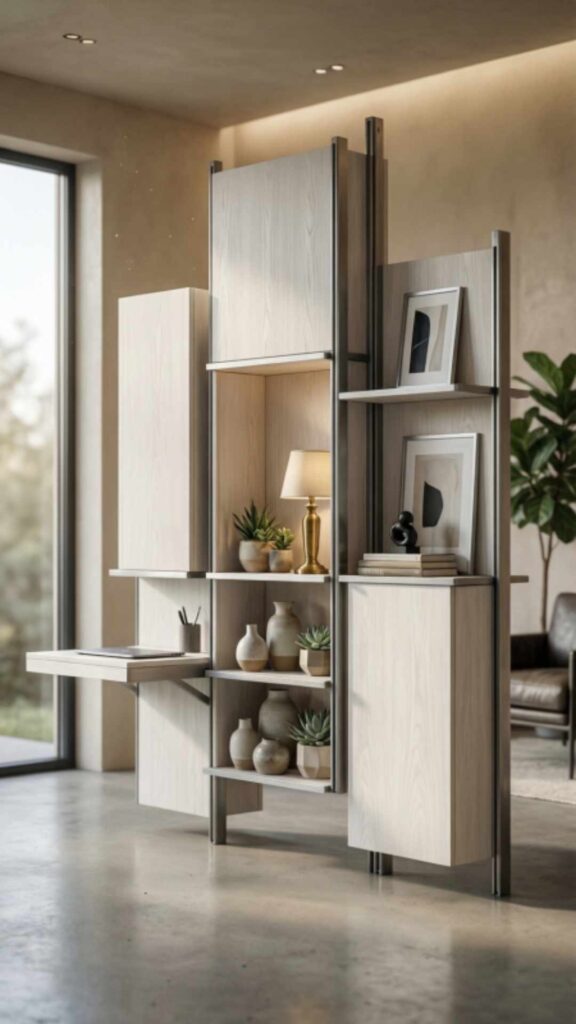
Modular shelving allows your workshop to evolve with your projects. Units can be expanded, rearranged, or removed as needed. This flexibility accommodates larger tools or materials while keeping smaller items organized in bins and trays.
Modular systems are particularly useful for multi-purpose workshops. With labeled shelves and adjustable heights, you can maintain a clean and efficient workspace even as your needs grow. Adaptive shelving ensures long-term organization and convenience.
Dedicated Finishing Area

A dedicated area for painting, sanding, or polishing keeps other parts of your workshop clean. Use ventilated spaces or enclosed booths to manage fumes and debris. This setup protects both your projects and tools from accidental damage.
A finishing station also promotes focus and precision. With proper lighting and surface protection, you can achieve consistent results on every project. Organized finishing areas enhance quality and workflow.
Power Outlet Management

Having easily accessible power outlets and extension cords prevents delays and hazards. Consider installing floor outlets, wall-mounted strips, or retractable cords near workstations. This ensures all your tools remain powered without cluttering the workspace with loose wires.
Good power management also supports multiple tools simultaneously, reducing downtime. Clearly labeled circuits can prevent overloads, contributing to both efficiency and safety.
Multi-Purpose Storage Cabinets

Cabinets that combine drawers, shelves, and compartments provide a central hub for tools and materials. These storage units reduce clutter and make cleanup faster. Incorporating transparent doors or labeled drawers helps identify items quickly.
Such cabinets can also act as a workspace extension, providing surfaces for sorting materials or assembling components. The versatility of multi-purpose storage enhances both workflow and organization.
Hanging Tool Systems

Hanging tools on pegboards, slat walls, or rails keeps your most-used items visible and accessible. Customizable hooks, holders, and brackets allow easy rearrangement as your tool collection grows.
This approach reduces drawer clutter and speeds up workflow. A well-organized hanging system ensures that you can quickly grab what you need and return items to their proper place.
Integrated Recycling Stations

Workshops often produce scraps and waste. Installing recycling bins for metal, wood, plastic, and general waste encourages responsible disposal. Clearly labeled bins prevent contamination and make cleanup faster.
Recycling stations also reduce clutter and promote sustainability. Managing scrap efficiently keeps your workspace organized and safe while supporting eco-friendly practices.
Adjustable Shelving for Materials

Shelving with adjustable heights accommodates materials of different sizes. Wood planks, metal sheets, and paint cans all fit neatly without wasted space. Flexibility allows you to reconfigure the shelves as your collection grows or changes.
Adjustable shelving also makes it easier to access heavy or bulky items safely. Properly supported shelves reduce the risk of tipping or damage, contributing to both efficiency and safety.
Wall-Mounted Cabinets

Wall-mounted cabinets maximize floor space while keeping tools and materials hidden but accessible. Sliding doors or lift-up panels can prevent dust accumulation and make items easy to reach.
These cabinets also allow for clean, streamlined aesthetics, giving the workshop a professional and organized appearance. Integrating lighting inside cabinets improves visibility, ensuring items are easy to locate.
Dedicated Electrical Tool Area

A separate area for power tools with dedicated circuits keeps cords and outlets organized. This area can include mounting stations for drills, saws, and grinders. Grouping electrical tools reduces clutter and prevents accidental unplugging during critical tasks.
Having a dedicated zone for electrical tools also improves safety. It prevents tripping hazards and ensures all tools are properly maintained and charged, making your workflow smoother and more reliable.
Personal Comfort Zone

Even in a functional workshop, having a small rest or comfort area enhances productivity. A chair, small table, or even a water station encourages short breaks, which improve focus and reduce fatigue.
Adding a personal touch with decor, plants, or motivational elements can make the workspace feel welcoming. A comfortable workshop boosts morale and creativity, making it easier to stay productive for longer periods.
Conclusion
Creating a functional, inspiring, and efficient workshop is about more than just placing tools on shelves it’s about designing a space that enhances creativity, productivity, and safety. By implementing smart strategies like vertical storage, modular workbenches, clear workflow zones, and ergonomic layouts, you can make the most out of every square foot of your workshop. These ideas help reduce clutter, save time, and make every project feel smoother and more enjoyable.
Adding personal touches, lighting, and comfort zones transforms your workspace into a place you actually want to spend time in. With proper tool organization, material management, and dedicated finishing areas, you can maintain a clean, professional, and motivating environment. Whether you’re tackling small DIY tasks or large-scale projects, these workshop design ideas ensure your space is ready for anything. A well-planned workshop not only improves efficiency but also sparks creativity, turning every task into a satisfying and productive experience.
FAQs About Workshop Design Ideas
How do I start redesigning my workshop for better efficiency?
Begin by assessing your workflow and identifying areas for improvement. Group tools by function, create clear work zones, and incorporate vertical storage to save space and reduce clutter.
What are the must-have storage solutions for a small workshop?
Use pegboards, rolling carts, modular shelving, and wall-mounted cabinets. Combining these solutions keeps tools visible, organized, and easy to access even in tight spaces.
How can I improve safety in my workshop?
Dedicate a safety station with gloves, goggles, ear protection, and first aid kits. Keep cords organized, maintain clear work zones, and install dust collection systems for a cleaner, hazard-free environment.
How important is lighting and ergonomics for workshop productivity?
Proper lighting reduces eye strain and errors, while an ergonomic layout minimizes fatigue. Adjustable workbenches, anti-fatigue mats, and task lighting make long projects more comfortable and productive.
Can personal touches really make a difference in a workshop?
Yes! Adding decor, inspirational elements, or even plants boosts motivation and creativity. A welcoming environment encourages focus and makes the workshop a place you enjoy spending time in.

Hi, I’m Aria Emma the founder and voice behind Trandy Edge. With years of passion for home styling, interior trends, and practical design solutions, I’ve turned my personal love for décor into this blog.