Stunning Indoor-Outdoor Living Room Ideas to Transform Your Home Into a Stylish and Relaxing Space

Creating a living space that flows seamlessly between indoors and outdoors has become one of the hottest trends in modern home design. Indoor-outdoor living rooms allow you to enjoy fresh air, natural light, and scenic views while staying cozy and comfortable inside. From sliding glass doors to retractable walls, carefully chosen furniture, and clever use of plants, these spaces blend style, functionality, and nature. Homeowners can entertain guests, relax after work, or spend quality time with family in a setting that feels open, airy, and inviting.
This design approach also enhances the sense of space and connectivity in your home. Using matching flooring, natural materials, neutral color palettes, and flexible seating creates a seamless visual flow. Smart layouts, innovative lighting, and functional accents like fireplaces or outdoor kitchens make the area practical and beautiful. Whether you have a small patio, balcony, or a large backyard, these ideas can turn any space into a modern, serene, and Instagram-worthy living area that feels part of your daily lifestyle.
Sliding Glass Doors for Seamless Flow

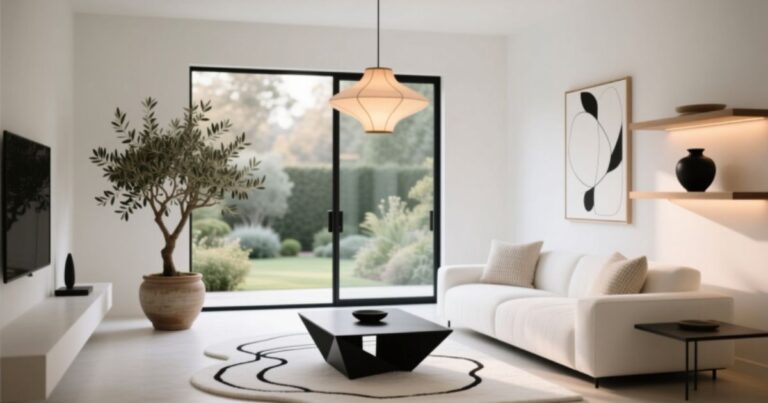
Sliding glass doors create a clean connection between the living room and the outdoor area. They allow sunlight to fill the room and keep views clear. Because they slide instead of swinging, they save space and keep furniture placement flexible. Many modern homes use wide glass panels to enhance openness.
These doors also improve daily comfort. High-quality glass helps control temperature and noise. Frames in aluminum or wood match many styles. This feature supports indoor-outdoor connection and makes the living room feel brighter and more inviting.
MUST READ: https://trandyedge.com/workshop-design-ideas/
Matching Indoor and Outdoor Flooring

Using the same flooring material inside and outside helps the space feel unified. When the floor continues from the living room to the patio, the eye moves smoothly. This makes the room appear wider and more connected. Continuous flooring design plays a key role here.
Materials like stone, tile, or polished concrete work well. These options handle foot traffic and weather changes. Soft neutral tones keep the space calm. This approach strengthens the feeling of one shared living area.
Open Wall Design with Folding Panels

Folding wall panels allow full access to the outdoor space. When open, the wall disappears and joins both areas. This design works well for homes that enjoy fresh air and social gatherings. It supports flexible living spaces.
When closed, the panels keep the room safe and quiet. Modern folding systems glide smoothly and lock securely. Glass panels also keep the room bright. This design brings freedom and control into one space.
Indoor Furniture That Works Outdoors

Furniture designed for both spaces offers comfort and durability. These pieces resist moisture and sunlight while keeping a stylish look. Using the same sofa or chairs inside and outside supports multi-use furniture design.
Neutral fabrics and simple shapes blend easily. Lightweight frames allow easy movement when needed. This setup keeps the living room consistent and practical. It also reduces the need for extra furniture.
Outdoor Rugs That Match Indoor Style

Outdoor rugs help define seating areas near open doors. They add softness underfoot and improve comfort. Modern outdoor rugs look similar to indoor designs, which helps maintain style balance. This supports cozy transition areas.
Synthetic fibers work best because they resist water and fading. Subtle patterns add interest without overpowering the room. Rugs also help bring warmth into shared spaces.
Natural Wood Accents

Wood accents add warmth and texture to indoor-outdoor living rooms. Ceiling beams, wall panels, or tables create a natural feel. Treated wood works well in exposed areas. This supports natural material design.
Wood tones blend beautifully with plants and light. They soften modern lines and add comfort. This balance creates a space that feels relaxed and inviting.
Indoor Plants That Extend Outside

Plants help blur the boundary between inside and outside. Using similar plant types in both areas creates visual harmony. This supports biophilic living design and improves mood.
Large pots near doors work well. Hanging plants add depth and interest. Greenery also improves air quality. It brings life and freshness into the living room.
Covered Patio as Living Room Extension

A covered patio acts as an extra living area. It protects furniture from sun and rain while staying open. This space works well for seating or relaxing. It supports outdoor living extensions.
Adding fans and soft lighting improves comfort. Curtains or screens offer privacy when needed. This setup allows frequent use and feels like part of the living room.
Neutral Color Palette for Smooth Blend

Neutral colors help indoor and outdoor areas flow together. Shades like beige, gray, and soft brown feel calm and natural. These tones match outdoor views easily. This supports color continuity.
Accent colors can appear in cushions or decor. Light wall colors reflect sunlight better. This approach keeps the space peaceful and balanced.
Large Windows for Natural Light

Large windows bring daylight into the living room. They frame outdoor views and reduce the need for artificial lighting. Fixed or sliding windows both work well. This supports natural lighting design.
Slim frames keep the look clean. Light curtains maintain privacy without blocking light. This feature makes the living room feel open and connected.
Outdoor Fireplace or Fire Pit

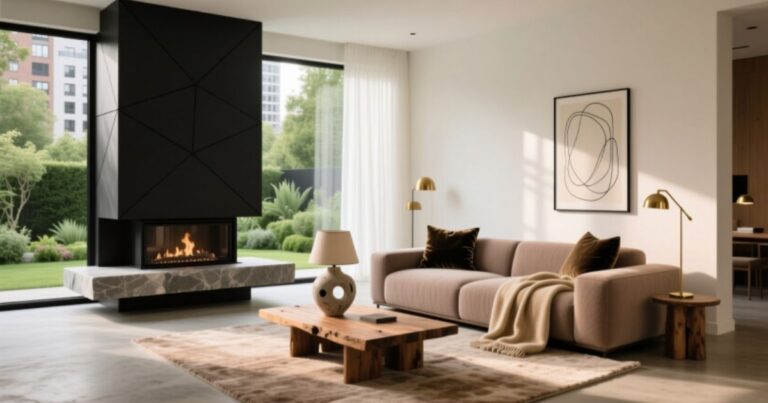
Adding a fireplace or fire pit in the outdoor area creates a cozy extension of your living room. A fireplace allows the space to be usable even during cooler evenings. It draws people together and adds a focal point to both the indoor and outdoor zones. Choose a modern gas fireplace for easy maintenance, or a traditional stone fire pit for a rustic feel.
Position the fireplace near sliding doors or open walls to blur the boundaries between spaces. Surround it with comfortable seating to encourage conversation. Lighting and decorative elements like stone cladding or wooden mantels enhance the atmosphere, making the area inviting year-round.
Retractable Awnings or Roof Covers

Retractable awnings or roof covers allow flexibility for indoor-outdoor living rooms. You can enjoy sunlight when open and shelter during rain. This helps create a multi-functional living space. Materials such as canvas, aluminum, or polycarbonate offer durability and style.
Pair retractable coverings with outdoor fans or heating for all-season comfort. Modern motorized systems make operation easy. Adding integrated lighting under the cover extends usability into the night. This feature ensures the outdoor area remains an active part of your home.
Built-In Planters Along the Perimeter

Built-in planters create a natural border between indoor and outdoor areas. They also add greenery at eye level, enhancing the sense of flow. These planters can host flowers, shrubs, or even small trees, supporting biophilic design.
Use materials like stone, concrete, or treated wood to match your flooring and walls. Combining plants with lighting enhances nighttime aesthetics. This approach connects nature to your living space seamlessly, giving a balanced and relaxing vibe.
Outdoor Dining Area Adjacent to Living Room

Placing a dining setup close to the living room encourages a smooth transition for meals and gatherings. A table, chairs, and ambient lighting create a social hub. Using matching furniture and decor maintains continuity with the indoor space.
Consider weather-resistant materials like teak, aluminum, or rattan. Adding soft cushions and neutral tableware blends style and comfort. This idea allows guests to enjoy both fresh air and indoor convenience without feeling disconnected from the main living area.
Ceiling Fans for Airflow and Comfort

Ceiling fans help maintain comfort in indoor-outdoor living spaces. Fans circulate air, keeping warm days pleasant without relying solely on air conditioning. This supports comfortable climate control.
Fans in neutral tones or natural materials like bamboo also add style. Place fans strategically over seating or dining areas to improve airflow. Combined with retractable awnings or open walls, they make the space usable in summer months and enhance the relaxed atmosphere.
Statement Lighting Fixtures

Lighting bridges the indoor-outdoor connection and adds ambiance. Hanging pendants, string lights, or lanterns can define zones and highlight design features. Statement lighting creates a focal point visible from both areas.
Use warm light for coziness or adjustable LED lights for versatility. Fixtures made from natural materials like rattan, wood, or metal fit seamlessly with the indoor-outdoor aesthetic. This enhances the beauty and functionality of the living room extension.
Multi-Level Seating Areas

Creating varied seating heights adds depth and interest. Steps, platforms, or sunken areas help define zones while keeping the flow open. This idea supports dynamic living spaces.
Multi-level seating works well for social gatherings and relaxation. Add cushions, low tables, or planters to soften edges. This approach encourages flexible use of space and gives a modern, inviting look.
Incorporate Water Features

Water features like small fountains, ponds, or cascading walls add serenity to the indoor-outdoor space. The sound of flowing water relaxes residents and enhances natural connection.
Position the feature where it is visible from both living room and patio. Combine with greenery and lighting to create a peaceful environment. Water elements also cool the space slightly, improving comfort on warm days.
Built-In Outdoor Storage

Smart storage keeps the indoor-outdoor area tidy. Benches with hidden compartments, cabinets, or storage boxes protect cushions, toys, and decor. This supports functional design.
Using storage solutions that match your decor ensures a seamless look. Organized spaces feel calm and enhance usability. Quick access to essentials makes the living area practical without sacrificing style.
Retractable Screens for Privacy and Shade

Retractable screens offer privacy without compromising openness. They block harsh sun, reduce insects, or provide discretion when needed. This supports flexible outdoor living.
Screens can be motorized or manual. Neutral colors integrate with the surrounding decor. Combining screens with lighting and seating creates an adaptable and comfortable space that responds to changing conditions.
Accent Walls That Blend Indoors and Outdoors

Accent walls, made from wood, stone, or textured panels, unify indoor and outdoor decor. They act as visual anchors, making the space feel intentional and cohesive. This supports design continuity.
Consider using materials and colors that mirror outdoor landscapes. Accent walls can also include shelves, planters, or artwork. This approach gives personality to the indoor-outdoor area while maintaining a stylish flow.
Outdoor Kitchen Integration

Adding an outdoor kitchen next to your living room enhances functionality and entertainment. It allows cooking while staying connected with guests. Features like a built-in grill, counter space, and storage cabinets support multi-functional living areas. Materials like stone or stainless steel handle weather and maintain style.
Integrating the kitchen with open walls or sliding doors makes serving easy. Include seating or a bar area for casual meals. Lighting and weatherproof decor complete the space, making it practical and welcoming. This design encourages more time outdoors while keeping the living room connected.
Cozy Outdoor Lounging Zones

Separate lounging areas with comfortable chairs, sofas, or daybeds provide private relaxation spots. These zones support flexible living spaces and can be used for reading, napping, or enjoying nature. Use water-resistant fabrics and cushions to ensure durability.
Adding rugs, throws, or side tables makes the area feel like a natural extension of the indoor living room. Planters or low partitions can define the space subtly. These zones create a calm retreat while maintaining visual flow between indoor and outdoor areas.
Glass Railings for Unobstructed Views

Glass railings around patios, decks, or elevated outdoor living spaces allow clear sightlines. They maintain safety while maximizing visual connection to gardens or landscapes. Minimalistic frames keep the look sleek and modern.
Glass railings also reflect light, brightening the space. This design supports seamless indoor-outdoor integration. Using tempered or laminated glass ensures durability. It’s a stylish way to maintain openness without compromising security.
Multi-Purpose Storage Benches

Storage benches are practical for cushions, blankets, or outdoor essentials. Placed along walls or in corners, they double as seating, supporting organized living spaces. Materials like treated wood or metal fit well in open living areas.
Benches can be customized to match flooring or furniture. Adding soft cushions and weatherproof fabrics increases comfort. This solution keeps both indoor and outdoor spaces neat and usable while maintaining style continuity.
Integrated Lighting Along Pathways

Pathway lighting highlights outdoor areas and creates a visual connection to the living room. LED strips, lanterns, or recessed lights enhance safety while supporting atmosphere and style. Lighting can also emphasize planters, accent walls, or water features.
Warm-colored lights provide a cozy feel. Strategically placed fixtures prevent glare while adding depth. This design element ensures the indoor-outdoor space is inviting at night and highlights key features beautifully.
Retractable Glass Walls

Retractable glass walls can fully open or close depending on weather or preference. They provide maximum flexibility, blending indoor and outdoor spaces seamlessly. Modern systems are smooth, quiet, and secure.
These walls help control airflow, temperature, and privacy. Transparent glass maintains natural light and view. Using this feature creates a versatile area for entertaining, relaxing, or dining, enhancing the living room’s usability.
Outdoor Ceiling Treatments

Adding ceiling features like wooden panels, beams, or slatted coverings defines outdoor areas while connecting them to indoor living rooms. It supports visual flow and design cohesion. Materials resistant to weather ensure longevity.
Ceiling treatments can hide wiring, integrate lighting, or provide shade. Using textures or color that matches indoor ceilings keeps continuity. This design makes outdoor areas feel intentional and fully part of your living space.
Statement Outdoor Art or Sculptures

Art and sculptures add personality to indoor-outdoor living areas. They create visual interest and bridge indoor design with nature. Durable materials like metal, stone, or resin withstand outdoor conditions.
Position pieces strategically near open walls or entrances. Combining sculptures with plants or water features adds depth. Art enhances aesthetics and reflects homeowner style, making the space feel curated.
Fire-Resistant and Durable Materials

Using fire-resistant and long-lasting materials for furniture, flooring, and accents ensures safety and low maintenance. Materials like treated wood, metal, or stone support practical and stylish living spaces.
Durable surfaces withstand sun, rain, and daily use without losing charm. This approach minimizes upkeep while keeping the indoor-outdoor space functional and beautiful. It ensures longevity and enhances home value.
Smart Home Integration

Integrating smart technology in indoor-outdoor living rooms improves comfort and convenience. Automated lighting, retractable roofs, or climate control can be managed remotely. This supports modern connected living.
Smart systems can adjust temperature, lighting, and security based on use. Voice commands or apps make operation easy. Technology seamlessly enhances lifestyle without disrupting the aesthetic or openness of the space.
Conclusion
Creating an indoor-outdoor living room is more than just a design trend it’s a lifestyle upgrade that transforms your home into a bright, inviting, and multifunctional space. By blending indoor comfort with outdoor freshness, you can enjoy natural light, fresh air, and scenic views without leaving your living room. Thoughtful choices like sliding doors, matching flooring, retractable walls, and durable furniture create a smooth, stylish flow that feels modern and welcoming. Adding plants, rugs, lighting, and cozy seating ensures the space is both functional and Instagram worthy, perfect for relaxing, entertaining, or enjoying quiet moments with family.
Whether your home has a small patio or a large backyard, these ideas make it easy to design a space that works year-round. Incorporating smart solutions like outdoor kitchens, fire pits, or automated lighting takes your living area to the next level. The result is a seamless connection between indoors and outdoors, where every corner is stylish, comfortable, and practical. With these tips, your living room won’t just look beautiful it will feel like a natural extension of your home, inviting everyone to enjoy the perfect balance of nature and modern comfort.
FAQs About Indoor – Outdoor Living Room Ideas
What makes an indoor-outdoor living room different from a regular living room?
An indoor-outdoor living room blends your indoor space with outdoor areas like patios, decks, or gardens. It allows natural light, fresh air, and scenic views to flow in, creating a spacious, airy, and functional area for relaxing and entertaining.
How do I choose furniture for indoor-outdoor living spaces?
Pick furniture that looks stylish indoors but is durable enough for outdoor use. Neutral colors, water-resistant fabrics, and lightweight frames ensure comfort, flexibility, and long-lasting beauty across both spaces.
Can small homes benefit from indoor-outdoor living designs?
Absolutely! Even small patios or balconies can feel larger with matching flooring, open walls, and smart layouts. Using plants, lighting, and retractable features can create the illusion of a bigger, connected space.
How can I maintain privacy in an open indoor-outdoor living room?
Privacy can be enhanced with retractable screens, outdoor curtains, pergolas, or greenery. These solutions maintain openness while offering discretion when needed, making the space comfortable and secure.
Are smart home features important for indoor-outdoor living rooms?
Not essential, but smart lighting, climate control, retractable roofs, or automated blinds make the space more convenient, comfortable, and modern. They allow seamless control of temperature, light, and ambiance, enhancing everyday living.

Hi, I’m Aria Emma the founder and voice behind Trandy Edge. With years of passion for home styling, interior trends, and practical design solutions, I’ve turned my personal love for décor into this blog.