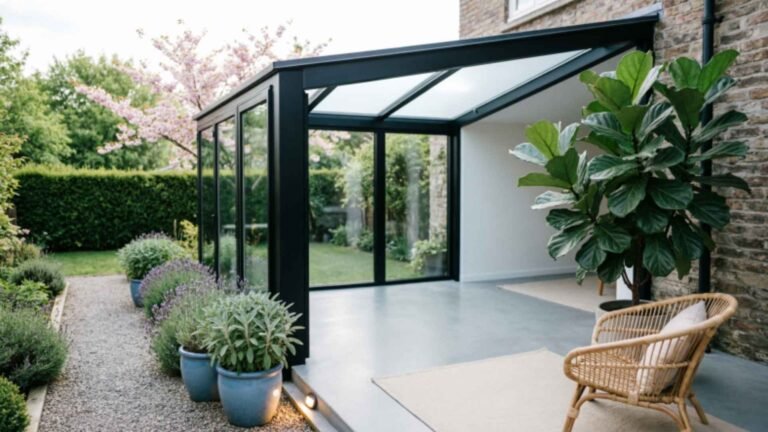
Flower Garden Ideas: Transform Your Outdoor Space into a Blooming Paradise

A flower garden can completely change the look and feel of your home. Whether you have a small backyard or a large open space, the right arrangement of flowers can create a relaxing and beautiful environment. Planning a garden requires more than just picking flowers. Choosing colors, textures, and plant types can elevate your outdoor space into a vibrant oasis. From bright annuals to elegant perennials, every plant plays a role in making your garden visually appealing and inviting. The key is to mix creativity with practical design so your garden thrives all year round.
A well-designed garden is not only about beauty but also about functionality. By selecting flowers that bloom in different seasons, you can maintain color and freshness throughout the year. Adding features like pathways, decorative pots, or garden lights enhances the visual appeal. Even small spaces can be transformed with vertical gardens, hanging baskets, or compact flower beds. With careful planning and thoughtful planting, your garden becomes a personal retreat and a space to enjoy nature daily. Flower gardens are more than decoration they are a reflection of your creativity and love for nature.
Colorful Mixed Flower Beds

Create mixed flower beds by combining annuals and perennials. Use bright colors like red, yellow, and purple to create a lively display. Plant flowers with different heights to add depth and texture. This style allows a continuous bloom throughout the season. Using companion plants can also improve growth and health of your flowers.
Layering flowers with contrasting colors and textures enhances visual interest. You can place taller flowers at the back and smaller ones in front for a cascading effect. Incorporate decorative elements like garden statues or small fountains for extra appeal.
MUST READ: https://trandyedge.com/garden-wood-fence-ideas-privacy-style-beauty/
Cottage-Style Flower Garden

Cottage gardens are informal and romantic, using a mix of flowers, herbs, and shrubs. Soft colors like pastel pink, lavender, and white are ideal. Let flowers grow naturally to achieve a relaxed and charming look. Adding pathways or wooden benches creates a cozy feel. Include flowering climbers on trellises for vertical interest.
Plant flowers densely to create a lush appearance. Include traditional flowers like roses, foxgloves, and daisies for a classic touch. Herbs such as thyme or lavender can enhance fragrance and attract pollinators. A small water feature or birdbath adds movement and life.
Vertical Flower Gardens

Vertical gardening saves space while adding style to small areas. Use hanging pots, wall planters, or trellises to grow a variety of flowers. Trailing plants like petunias or ivy can create a cascading effect. Vertical gardens are ideal for balconies, patios, or narrow yards.
Layer plants by height and sunlight requirements. Some flowers like fuchsias, begonias, and geraniums thrive in vertical setups. Incorporate climbing flowers such as morning glories for added drama. Drip irrigation systems help maintain moisture and reduce maintenance.
Butterfly and Pollinator Garden

Planting flowers that attract butterflies and bees creates a lively garden. Choose bright colors like orange, pink, and purple. Milkweed, zinnias, and lavender are excellent options. Include nectar-rich plants to feed pollinators. Provide shallow water sources or small dishes for butterflies.
Butterfly gardens can be designed in small spaces using flower clusters. Mixing annuals and perennials ensures seasonal blooms. Group flowers with similar sunlight needs for healthier growth. Use native plants for better adaptation and resilience.
Rock Garden with Flowers

Rock gardens combine stones with drought-tolerant flowers for a natural look. Choose flowers like sedum, thyme, or creeping phlox. Position rocks strategically to create visual interest. Incorporate pathways for easy access and maintenance. Mix textures and heights to simulate a natural landscape.
Integrating succulents and alpine flowers enhances the overall effect. Plant flowers between rocks to soften hard edges. Use color contrast between flowers and stones for dramatic appeal. Rock gardens also help with erosion control in hilly areas. Choose seasonal flowers to maintain continuous blooms.
Container Flower Garden

Container gardening allows flexibility and mobility. Use pots, urns, or barrels to grow flowers. Ideal for patios, balconies, or small gardens. Containers can be rearranged for seasonal color changes. Ensure proper drainage to prevent waterlogging. Mix flowering plants and foliage for visual interest.
Group containers of different heights for a layered effect. Hanging baskets complement floor pots for vertical interest. Choose flowers with similar sunlight and watering needs. Use lightweight soil mixes for better root growth.
Shade-Tolerant Flower Garden

Not all gardens have full sun, and shade-loving flowers can thrive beautifully. Choose flowers like hostas, impatiens, and ferns. Create a calm, cool garden under trees or near shaded walls. Mixing textures and leaf colors adds visual appeal. Include variegated foliage for contrast.
Planting flowers in shaded spots requires careful selection. Bluebells and astilbes perform well in low-light areas. Group plants with similar water requirements for better growth. Adding garden decor like benches or lanterns enhances ambiance. Shade gardens provide a peaceful retreat away from harsh sunlight.
Seasonal Flower Displays

Create garden sections that bloom in different seasons. Spring can feature tulips, daffodils, and crocuses, while summer showcases marigolds, zinnias, and sunflowers. Autumn flowers like chrysanthemums and asters provide warmth. Winter blooms like hellebores or pansies brighten cold months. Rotate plants based on season to maintain color.
Planting with seasonal succession keeps your garden interesting. Pair early bloomers with late bloomers for extended color. Include flowering shrubs and perennials for structure and continuity. Mulching and composting improve soil for repeated seasonal planting.
Fragrant Flower Garden

Fragrant flowers enhance your garden’s sensory appeal. Roses, jasmine, lavender, and gardenias fill the air with natural perfume. Plant them near patios, entrances, or pathways for maximum enjoyment. Fragrant flowers attract bees and butterflies, supporting biodiversity. Mix heights and textures to complement scents with visual appeal.
Combine flowers with varying scent intensities. Night-blooming plants like night-scented stock create an evening aroma. Herbs like mint and basil can add subtle fragrance and culinary use. Regular deadheading and pruning improve bloom quality and scent. Incorporate seating areas to enjoy the garden’s fragrance fully.
Water Garden Flowers

Incorporate water features like ponds or fountains with flowers. Lotus, water lilies, and irises thrive in wet conditions. Surround edges with moisture-loving plants for a lush effect. Floating flowers add dynamic movement to water surfaces. Ensure water circulation and proper sunlight for healthy growth. Water gardens attract birds, frogs, and butterflies, adding life.
Plant a mix of submerged, marginal, and floating species for a balanced ecosystem. Regular cleaning prevents algae buildup and ensures water clarity. Use decorative lighting to highlight water flowers at night. Include benches or decks to enjoy views from different angles.
Native Plant Flower Garden

Using native flowers ensures better adaptation and low maintenance. Choose flowers that naturally thrive in your climate and soil. Native plants support local pollinators and reduce water needs. Combine wildflowers like coneflowers, black eyed Susans, and goldenrod. Plant in clusters to create a natural meadow effect.
Native flowers bloom reliably and resist pests effectively. Incorporating seasonal bloomers ensures year-round interest. Use mulching and composting for healthier soil. Native flower gardens reflect regional identity and connect you to the natural environment.
Themed Flower Gardens

Themed gardens focus on specific colors, shapes, or purposes. Examples include romantic gardens with roses and pastel flowers, tropical gardens with bright, exotic flowers, or monochromatic gardens using a single color palette. Add decorative elements like arches, statues, or benches to reinforce the theme.
Themes can also cater to wildlife or fragrance preferences. For example, a hummingbird garden emphasizes tubular flowers in red and orange shades. Seasonal rotation maintains thematic integrity. Combining flowers with complementary foliage enhances depth.
Balcony Flower Garden

Small spaces like balconies can be transformed with container plants and hanging baskets. Use bright, compact flowers like petunias, begonias, and pansies. Vertical planters maximize space while adding greenery at different levels.
Use railing planters or trellises for climbing plants. Select lightweight soil and pots for easy handling. Incorporate fragrant flowers to enhance enjoyment in small spaces. Rotating containers seasonally maintains continuous blooms.
Woodland Flower Garden

Woodland gardens thrive under trees or shaded areas. Use shade-loving flowers like trilliums, hostas, and ferns. Incorporate natural elements like logs, stones, and mulch for authenticity. Woodland gardens focus on texture, leaf color, and seasonal blooms.
Plant flowers densely for a wild, lush appearance. Combine evergreen shrubs with flowering perennials for year-round structure. Use seasonal bulbs to provide color at different times. Woodland gardens encourage wildlife like birds and insects.
Meadow-Style Flower Garden

Meadow gardens mimic natural fields with grasses and wildflowers. Mix tall and short plants for depth and movement. Include flowers like daisies, poppies, and clover. This style requires minimal maintenance and grows naturally with minimal intervention.
Plant in clusters or patches for a natural meadow look. Use native wildflowers for better adaptation. Meadow gardens encourage a relaxed and informal style. Incorporate pathways for accessibility and to define space.
Fragrant Herb and Flower Mix

Combine flowers with aromatic herbs to create a multi-sensory garden. Lavender, rosemary, and thyme can be paired with colorful flowers like marigolds or daisies. This mix enhances fragrance while adding visual appeal. Herbs can also be harvested for cooking or teas. Planting in clusters improves aesthetics and helps pollinators find food.
Arrange plants by height and sunlight requirements. Taller herbs at the back and low flowers in front provide depth. Seasonal rotation ensures continuous blooms and aromas. Incorporate small decorative elements like stones or wooden markers.
Hummingbird Flower Garden

Hummingbirds are attracted to bright, tubular flowers. Red, orange, and pink blooms like fuchsias, salvia, and trumpet vine are perfect. Position flowers near seating areas for enjoyment. Include feeders and water sources to encourage visits. Plant in clusters for maximum attraction.
Select flowers that bloom at different times to provide nectar throughout the season. Incorporate shrubs and vines for perching. Group plants by sunlight needs for healthy growth. Use mulch to retain soil moisture and improve flowering.
Expanded Butterfly Garden

Create a larger pollinator-friendly garden by adding nectar-rich flowers and host plants for caterpillars. Milkweed, lantana, and coneflowers attract butterflies. Include sunny spots, shallow water dishes, and flat stones for resting. Avoid chemicals to ensure safety for insects.
Use native flowers for better adaptation and survival. Rotate annuals and perennials for seasonal blooms. Include flowering shrubs to create layered height. Butterfly gardens also educate children and visitors about pollinators.
Rockery Flower Garden

Combine rocks and flowers for a structured, natural look. Alpine flowers, creeping phlox, and sedums grow well among stones. Position rocks for visual interest and practical pathways. Incorporate mulch and gravel for drainage.
Plant flowers between rocks to soften edges. Include trailing and compact plants for variation. Use seasonal flowers to maintain color. Small lighting features can highlight rock textures at night. Rockery gardens are eco friendly, require less water, and attract pollinators.
Formal Flower Beds

Formal gardens feature geometric designs, symmetry, and structured flower beds. Use annuals and perennials in repeating patterns. Low hedges or borders define spaces. Arrange plants by color and height for visual harmony. Paths, fountains, or statues enhance elegance.
Include contrasting foliage and flowers for texture. Seasonal rotation maintains color throughout the year. Use mulch to reduce weeds and conserve moisture. Incorporate seating areas or benches for a complete experience.
Urban Flower Patch

Even small urban spaces can have a flower garden. Use compact flowers, container gardens, and vertical setups. Sun-loving flowers like marigolds, petunias, and pansies perform well. Incorporate trellises or railing planters to maximize space. Group containers for dramatic color effect.
Rotate seasonal flowers for year-round beauty. Include pollinator-friendly plants to support local ecology. Decorative elements like small fountains or fairy lights enhance appeal. Choose lightweight soil and pots for practicality.
Tropical Flower Display

Bring a tropical vibe with bright, bold flowers like hibiscus, bird of paradise, and heliconia. Large leaves and vibrant blooms create a lush, exotic atmosphere. Plant in clusters for maximum visual impact. Include containers, raised beds, or sheltered areas for tropical plants that require protection.
Mix flowering and foliage plants for texture. Seasonal rotation maintains continuous blooming. Mulch and fertilization improve soil quality and plant health. Brightly colored flowers attract pollinators and butterflies.
Edible Flower Garden

Plant flowers that are both beautiful and edible, like nasturtiums, pansies, and marigolds. These can be used in salads, teas, or garnishes. Pair with vegetables or herbs for a practical garden. Ensure proper spacing and sunlight for optimal growth.
Rotate seasonal flowers to maintain bloom and edibility. Use companion planting to improve growth and deter pests. Mulch and compost improve soil fertility. Edible flowers also attract pollinators while providing fresh ingredients for cooking. This style combines sustainability, culinary use, and visual delight.
Succulent and Flower Combo

Combine succulents with flowering plants for low-maintenance beauty. Succulents like echeveria or sedum provide texture and color contrast. Pair with annual flowers like petunias or small perennials for seasonal blooms. Use well draining soil and containers or rockeries.
Arrange plants by height and texture. Incorporate decorative stones or driftwood for visual interest. Grouping succulents with colorful flowers creates a striking balance. This garden style is drought-tolerant, eco-friendly, and visually appealing. With minimal care, it provides maximum impact.
Courtyard Flower Garden

Transform courtyards with compact, organized flower beds. Use colorful annuals, small shrubs, and potted plants. Include pathways, seating, or small water features. Courtyards benefit from vertical gardens or trellises for climbing flowers. Proper sunlight and irrigation planning are essential. A courtyard flower garden maximizes small spaces with vibrant visual appeal.
Plant flowers in clusters or patterns for harmony. Seasonal rotation ensures year-round color. Include fragrant flowers near seating areas for sensory delight. Mulch and regular care maintain soil health. Courtyard gardens combine structure, beauty, and relaxation in urban or small home settings.
Mixed Perennial and Annual Garden

Combine perennials and annuals for continuous blooms. Perennials provide long-term structure while annuals add seasonal color. Plant taller flowers at the back and shorter in front for visual depth. Include mulching and regular pruning for maintenance. Mixed flower gardens ensure year-round visual interest. This method balances long-term stability with dynamic seasonal charm.
Rotate annual flowers each season to refresh colors. Use complementary foliage for texture and contrast. Include pollinator-friendly plants to attract bees and butterflies. Mixed gardens are versatile, suitable for small and large spaces. They provide a dynamic, colorful, and sustainable floral display.
Conclusion
Creating a flower garden is both an art and a science. With thoughtful planning and careful selection, you can transform any outdoor space into a colorful retreat. By mixing heights, textures, and seasonal blooms, you maintain beauty throughout the year. Incorporating pollinator-friendly plants or themed gardens adds ecological and aesthetic value. A garden reflects your personality and creativity while providing a peaceful space to relax and enjoy nature.
Maintaining your garden with regular watering, pruning, and seasonal rotation ensures long-term success. Adding decorative elements like pathways, containers, or benches enhances its functionality. Flower gardens can be large or small, formal or casual, but with the right ideas, they always inspire joy. By implementing these 26 ideas, you can create a blooming paradise that draws admiration from neighbors and friends alike.
FAQs About Flower Garden Ideas
How do I choose the right flowers for my garden?
Consider sunlight, soil type, and water availability. Select flowers with complementary colors and varying heights for visual interest. Use a mix of perennials and annuals to ensure continuous blooms.
Can I grow a flower garden in a small space?
Yes, use vertical gardening, container planting, or hanging baskets. Compact layouts with layered planting maximize space while maintaining beauty.
How do I attract butterflies and bees?
Plant nectar-rich flowers like zinnias, lavender, and milkweed. Avoid pesticides and provide resting spots and shallow water sources.
What are low-maintenance flowers?
Perennials like sedum, hostas, and daylilies require minimal care. Mulching and proper spacing reduce weeds and watering needs.
How can I make my garden colorful all year?
Combine seasonal flowers and plan rotations. Use evergreen shrubs and foliage plants to maintain structure and interest in every season.

Hi, I’m Aria Emma the founder and voice behind Trandy Edge. With years of passion for home styling, interior trends, and practical design solutions, I’ve turned my personal love for décor into this blog.