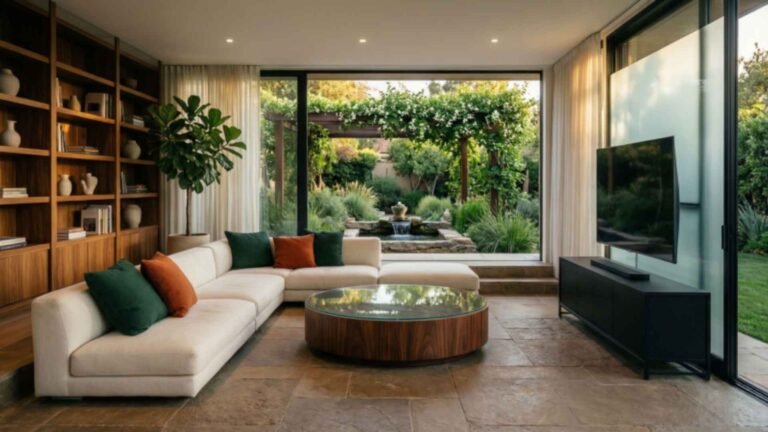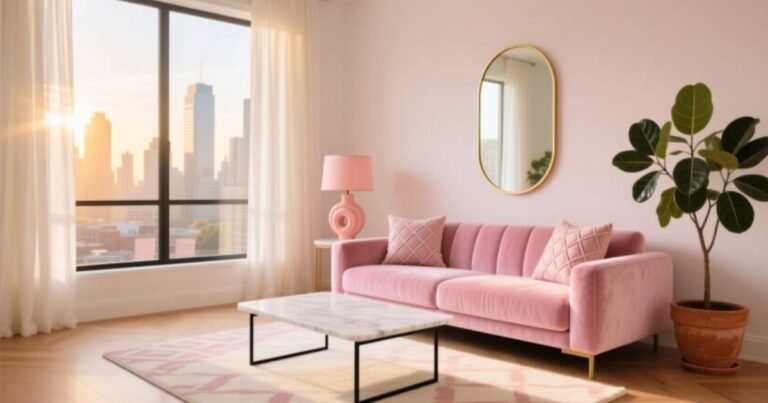
Compact Living Room Ideas: That Make Small Spaces Feel Bigger
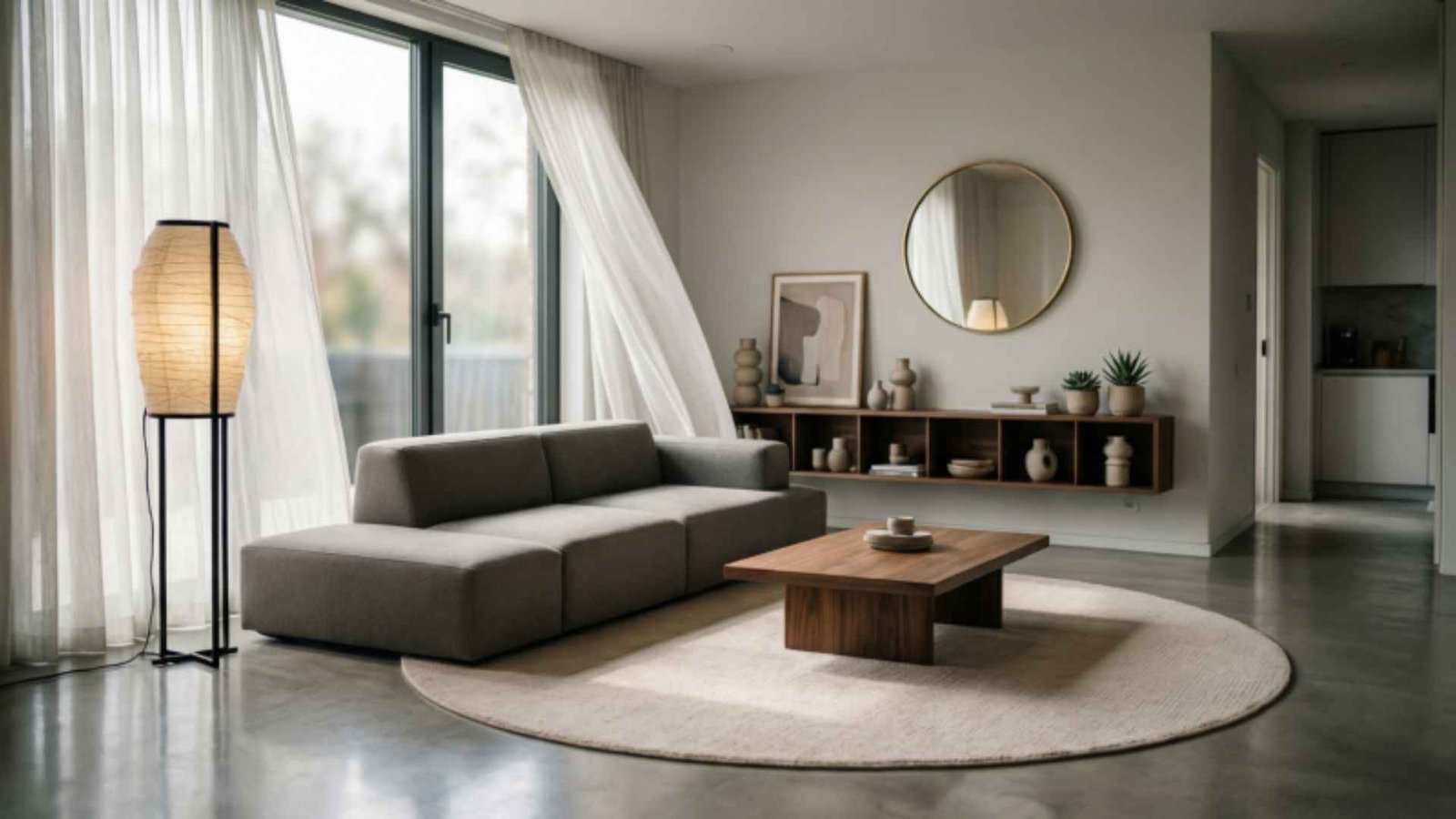
Small homes are common today. Apartments, condos, and townhouses often come with limited living room space. That does not mean you must give up comfort or style. Smart planning can turn even the smallest room into a welcoming place for family and guests.
Compact living room ideas focus on balance. They mix function with beauty. The goal is to use every inch wisely while keeping the room open and relaxed. With the right layout, colors, and furniture, a small living room can feel airy and well organized.
Use Multi-Functional Furniture
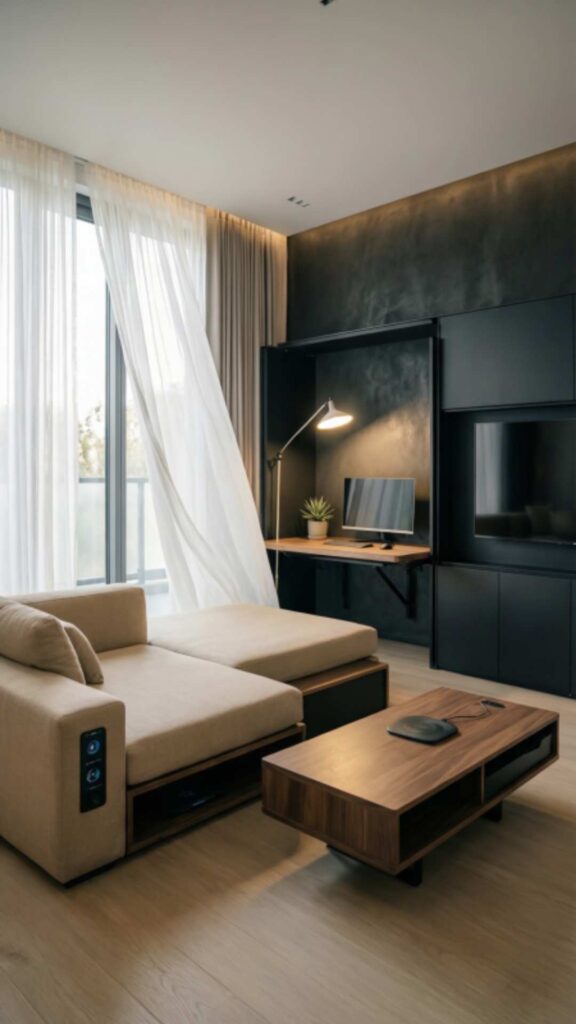
Multi-functional furniture saves space and adds value. A sofa bed works as seating by day and sleeping space at night. Storage ottomans hide clutter while serving as extra seating or a coffee table.
This approach keeps your room neat and flexible. Space-saving furniture, foldable chairs, and nesting tables reduce crowding. You get comfort without filling the room with bulky items.
MUST READ: https://trandyedge.com/small-pantry-ideas/
Choose Light Color Palettes
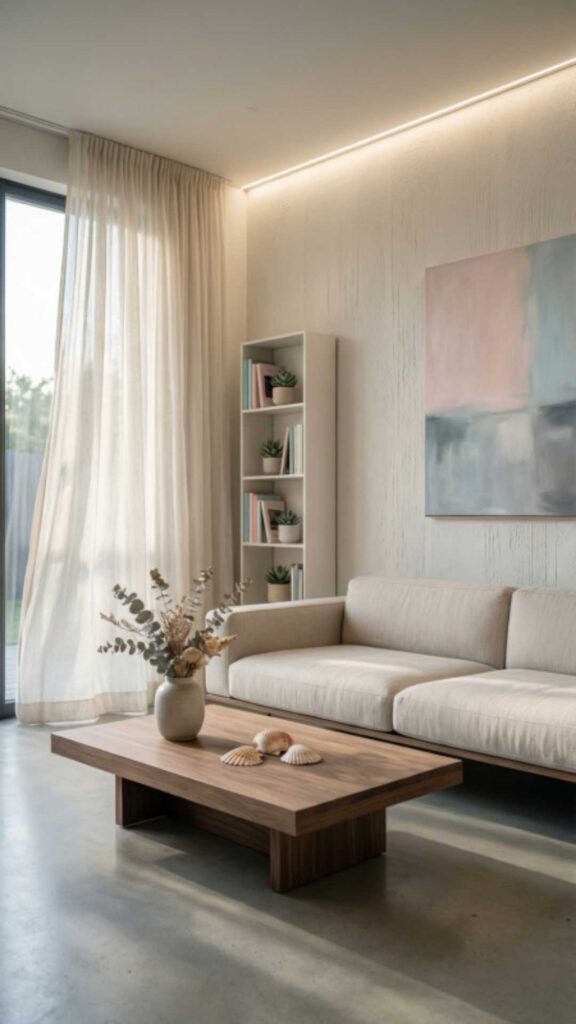
Light colors make small rooms feel open. Soft whites, beige, and light gray reflect more light. These shades visually push walls outward and create a calm mood.
Using neutral wall colors also helps furniture blend smoothly. Add depth with light wood tones or soft textures. The room feels fresh without feeling cold or empty.
Keep Furniture Low Profile
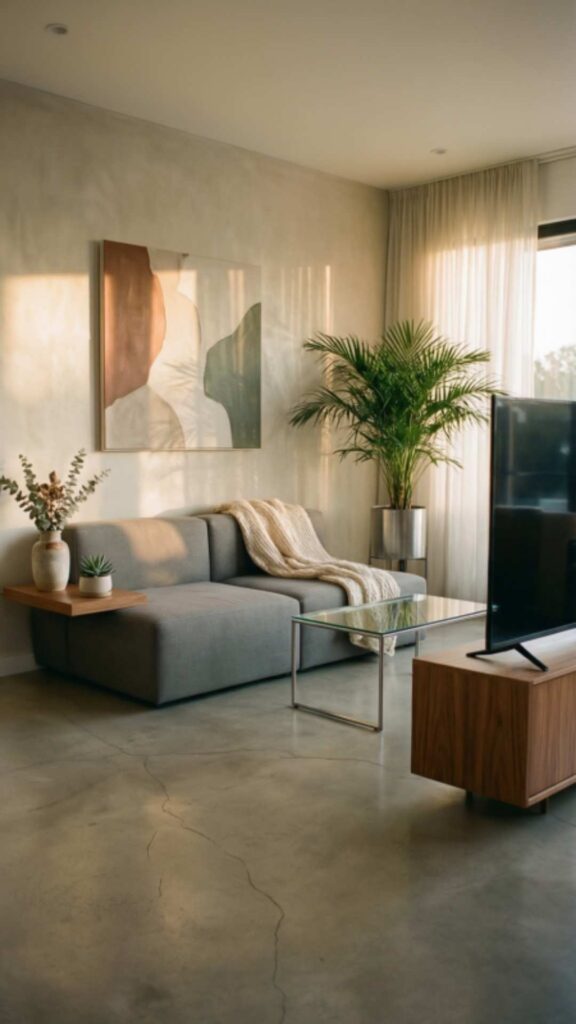
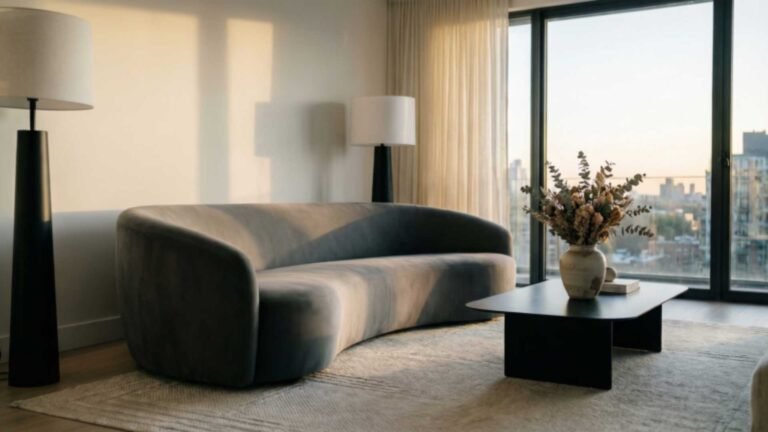
Low-profile furniture creates visual space. Sofas with short legs and low backs keep sightlines open. This design makes ceilings appear higher.
A minimal furniture layout reduces visual weight. The room feels balanced and easy to move through. This is ideal for apartments and condos.
Add Wall-Mounted Shelves
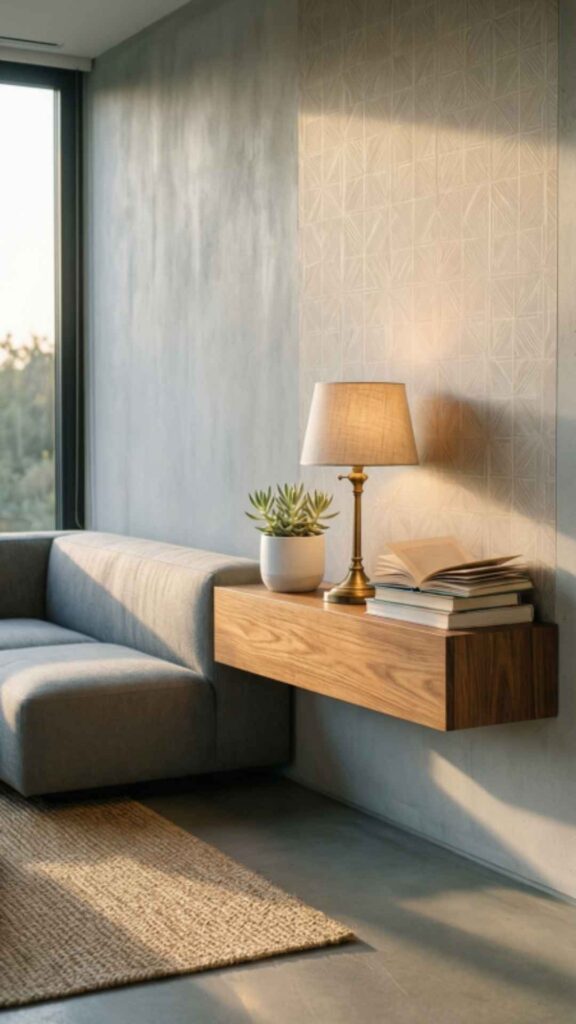
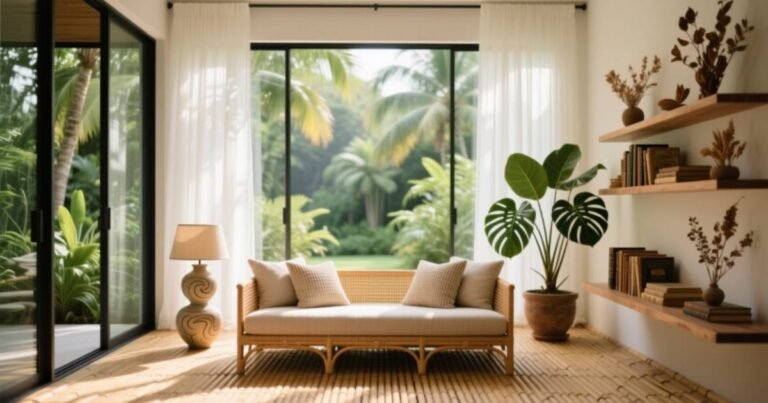
Wall shelves free up floor space. They hold books, plants, and décor without crowding the room. Vertical storage draws the eye upward.
Floating shelves work well in tight areas. They add style while keeping the floor clear. This helps maintain a clean and open look.
Use Mirrors to Reflect Light
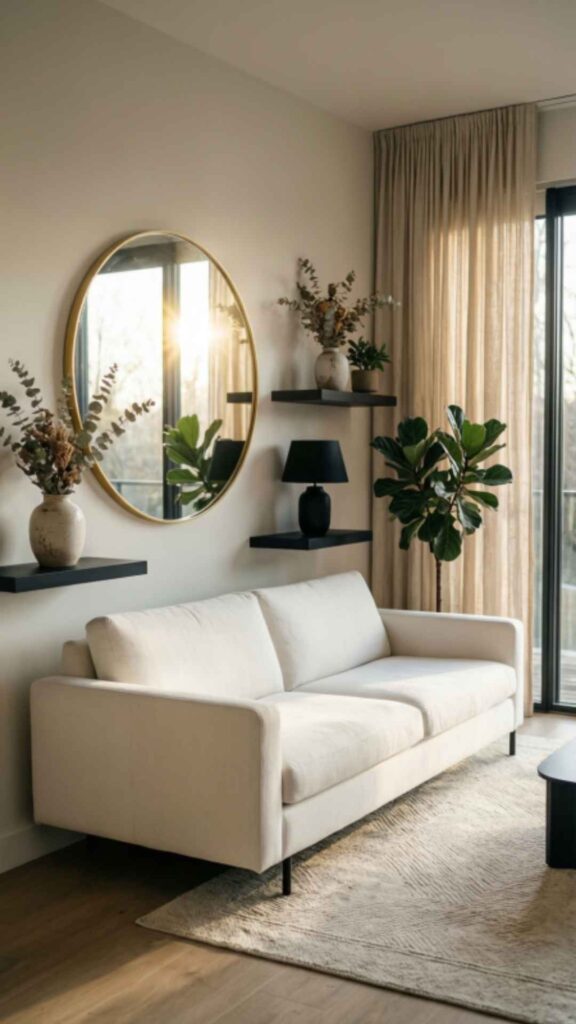
Mirrors are powerful in small rooms. They reflect natural and artificial light. This instantly brightens the space.
A large mirror or decorative wall mirror can double the visual size of the room. Place it across from a window for the best effect.
Pick Slim Seating Options
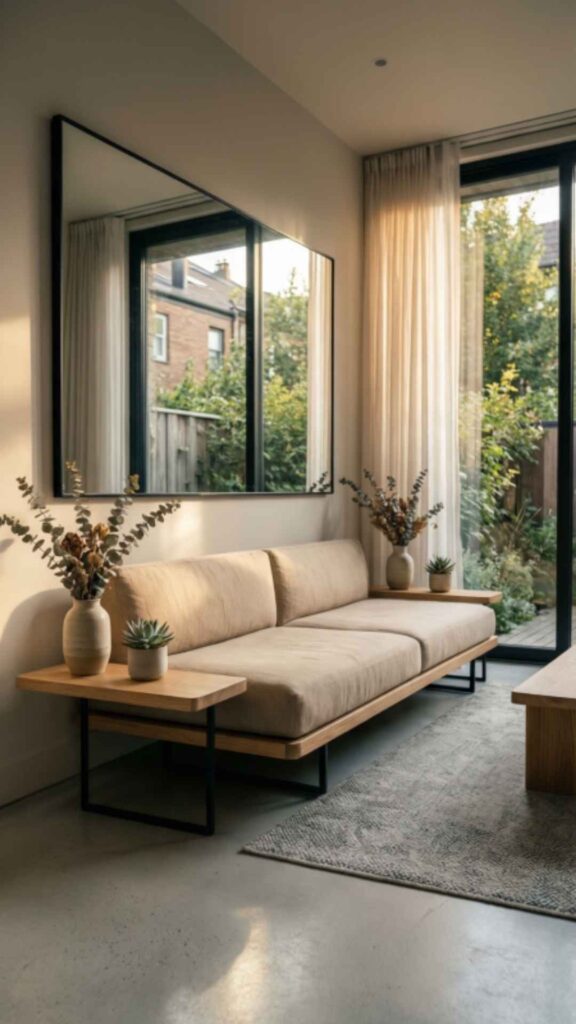
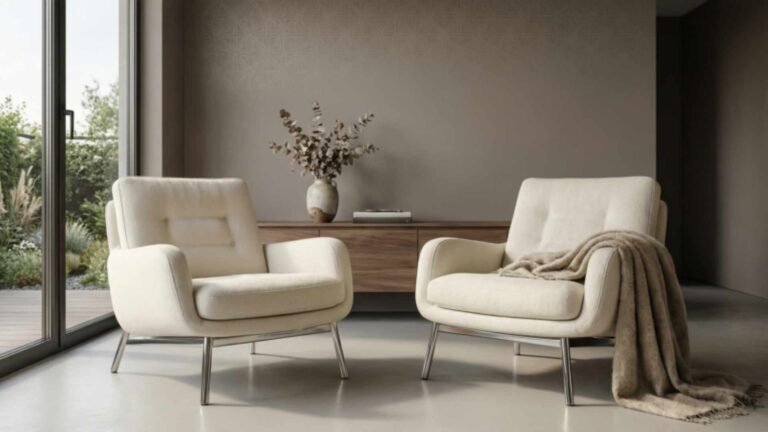
Bulky chairs can overwhelm a small room. Slim sofas and armless chairs fit better. They keep walkways clear.
Compact seating allows better movement and flow. The room feels more open while still offering enough seating for guests.
Create Smart Storage Zones
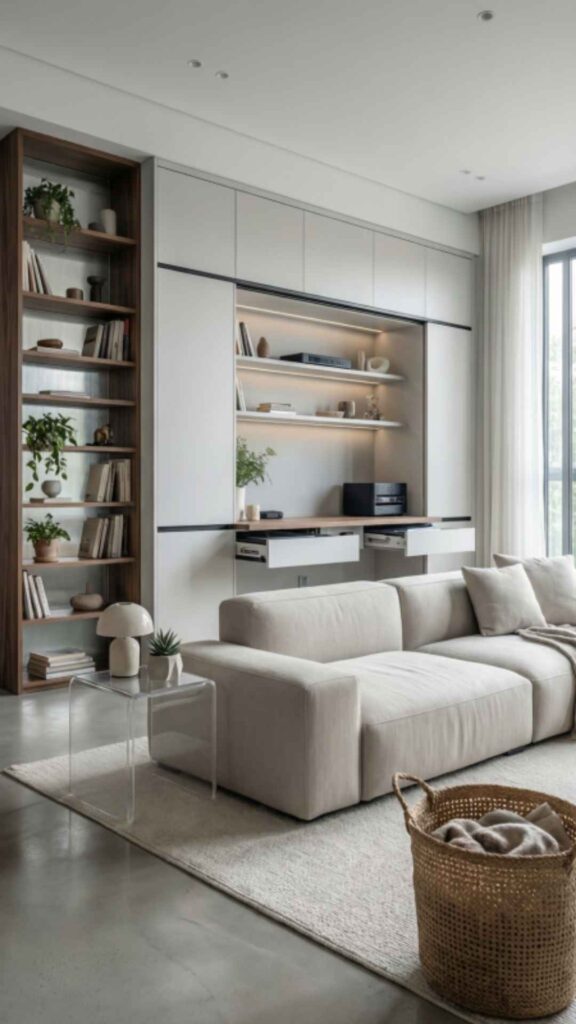
Every small room needs storage. Built-in cabinets and hidden drawers reduce clutter. Storage under sofas or benches works well.
Hidden storage solutions keep items out of sight. A tidy room always feels larger and calmer.
Use Area Rugs to Define Space
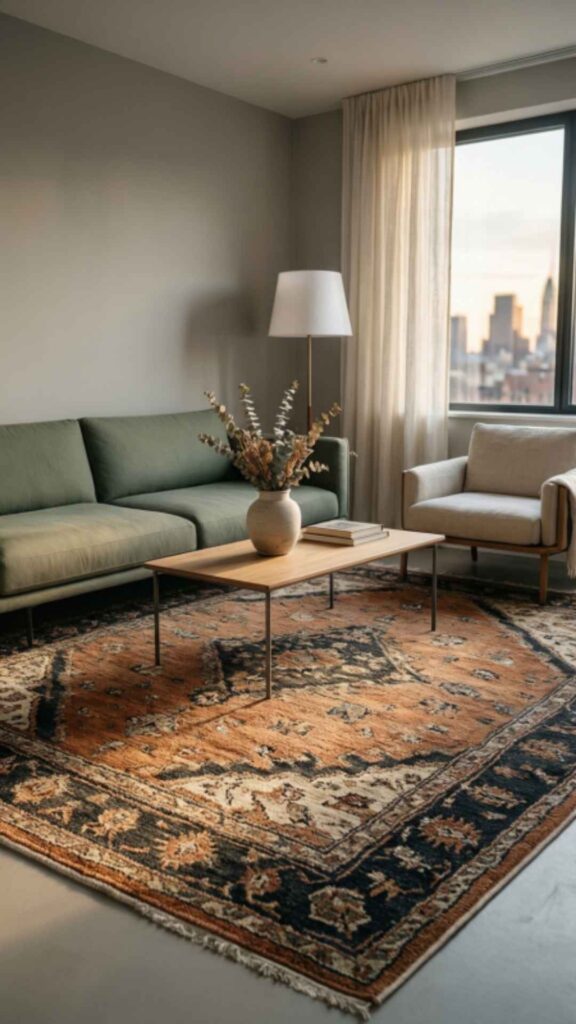
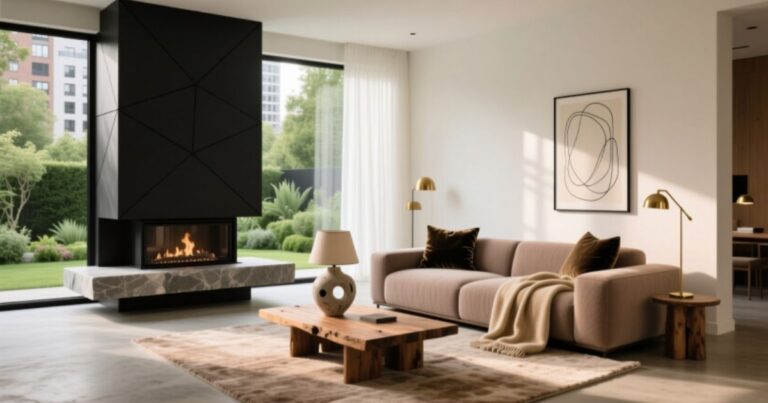
Area rugs help organize small rooms. They define seating areas without walls. This creates structure and order.
Choose light-colored rugs with subtle patterns. They add warmth without shrinking the space visually.
Let Natural Light In
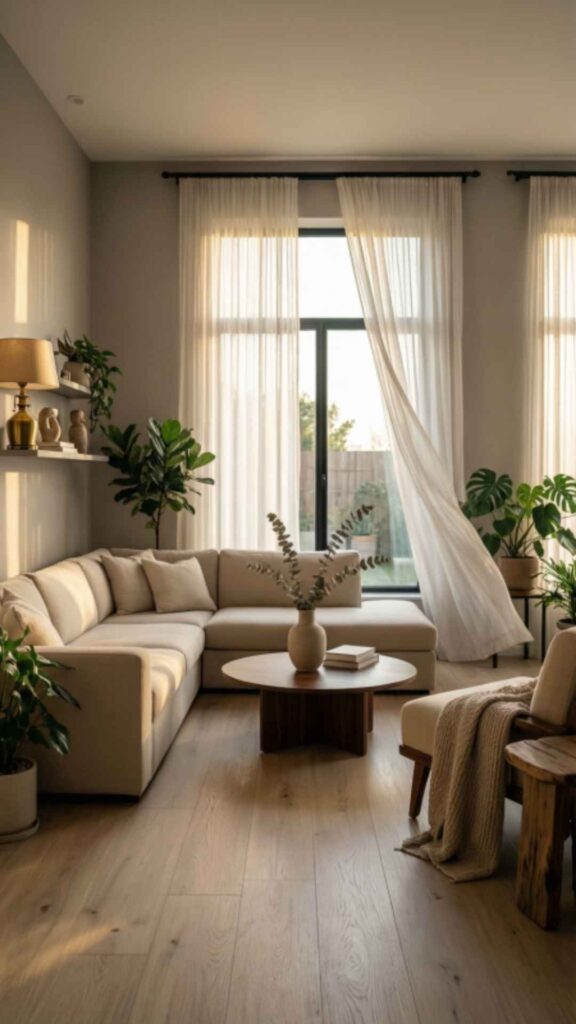
Natural light is essential. Keep windows clear and use sheer curtains. Heavy drapes block light and make rooms feel smaller.
Bright living room layouts rely on sunlight. The more light you allow, the larger the room feels.
Go Minimal With Décor
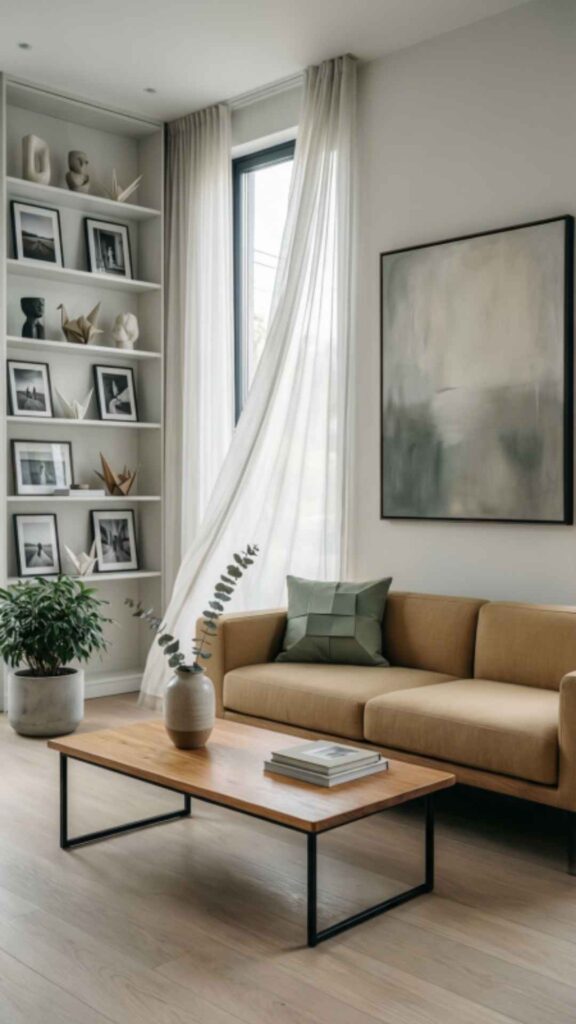
Too many decorations create visual noise. Select a few meaningful pieces. Simple art and clean lines work best.
Minimalist décor keeps the room calm and balanced. Less clutter means more breathing room.
Choose Glass or Acrylic Furniture
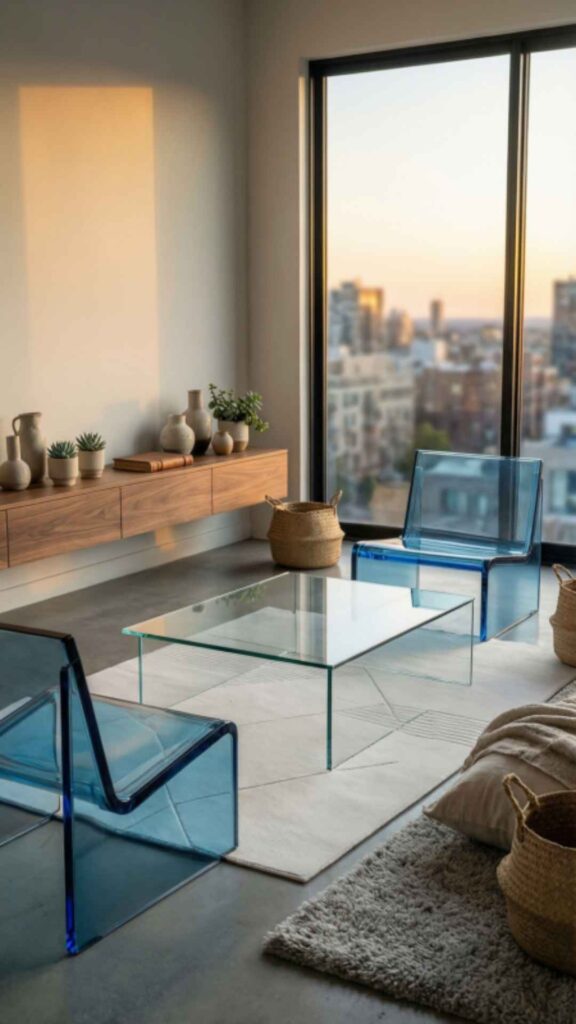
Glass tables and acrylic chairs look almost invisible. They take up physical space without visual weight.
Transparent furniture keeps the room light and modern. This is perfect for very small living rooms.
Use Vertical Space Wisely
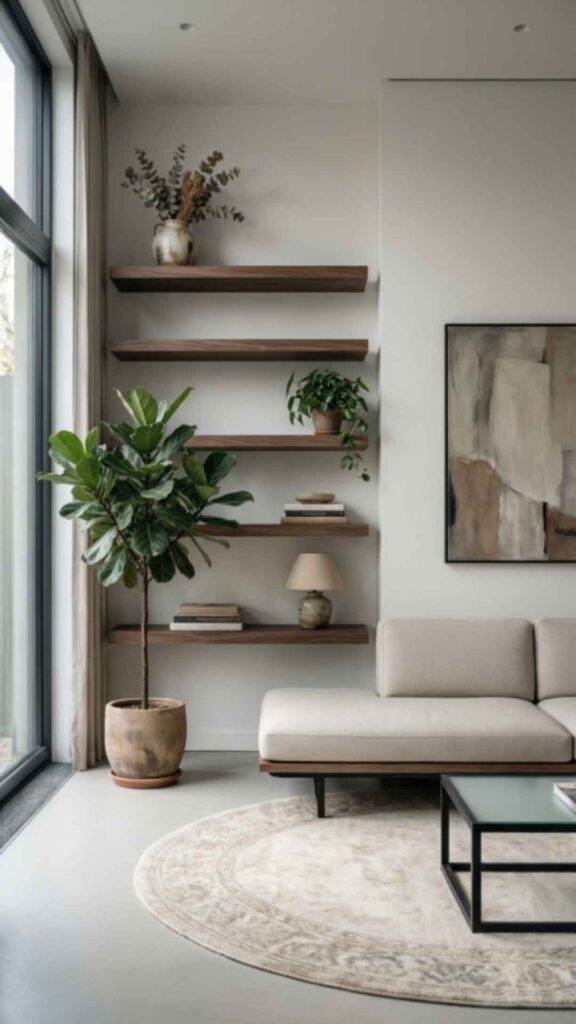
Vertical space often goes unused in small rooms. Tall shelves, wall cabinets, and vertical décor draw the eye upward. This creates the feeling of more height.
Vertical storage ideas help keep the floor open. The room feels taller and less crowded. This is a smart move for compact homes.
Pick Furniture With Legs
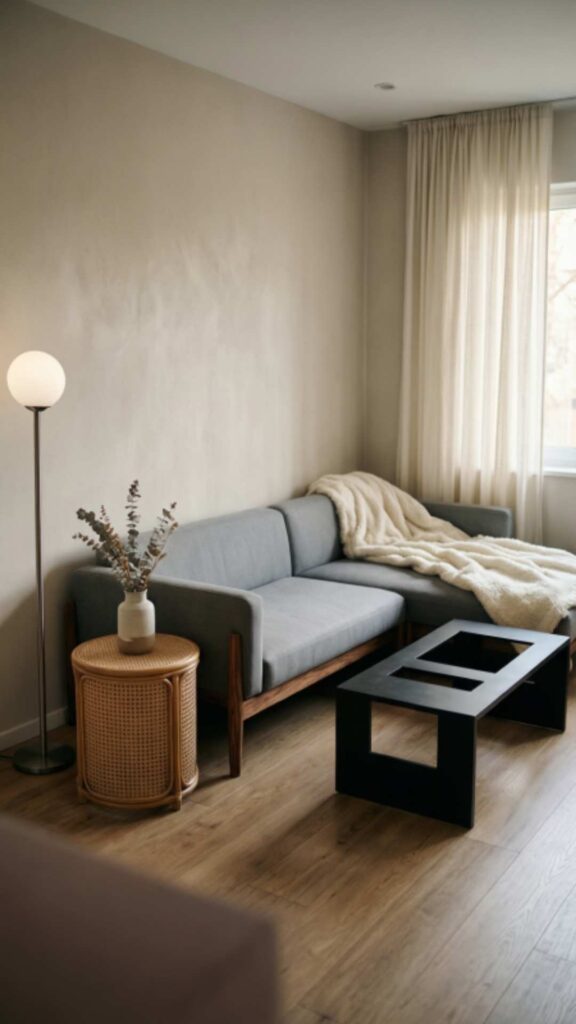
Furniture with visible legs helps small rooms breathe. The open space under sofas, chairs, and tables allows light to move freely. This creates a lighter and less crowded look.
Furniture with legs also makes cleaning easier. Dust does not collect as quickly, and the floor stays visible. This simple trick makes compact living rooms feel wider and more organized.
Stick to One Color Theme
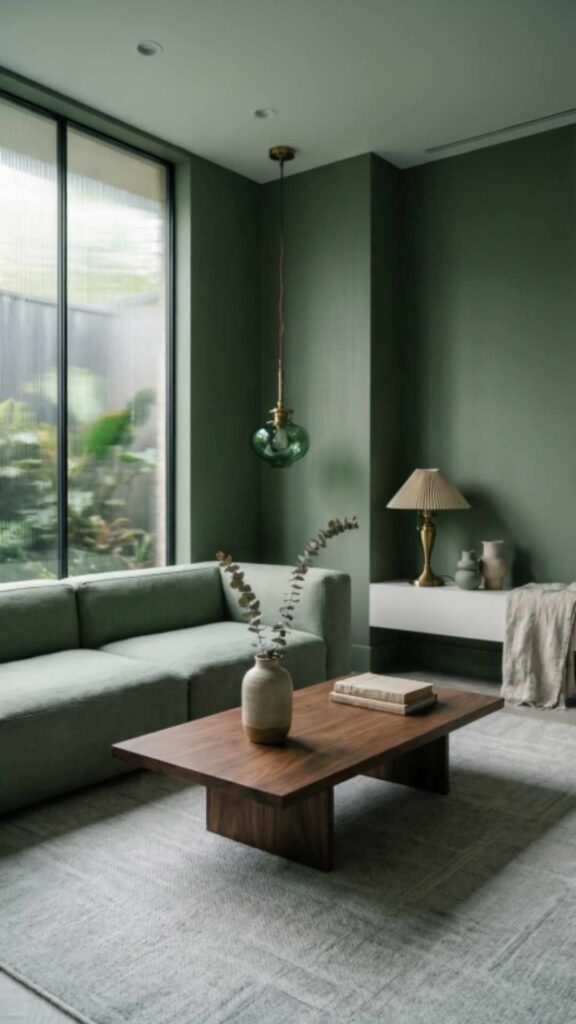
Using one color theme keeps the room calm and connected. Too many shades break visual flow and make the space feel busy. Soft neutrals or light earthy tones work best.
A single color palette allows furniture and décor to blend smoothly. You can still add texture through fabrics, wood, or metal finishes. This keeps the room stylish without feeling heavy.
Use Foldable Furniture
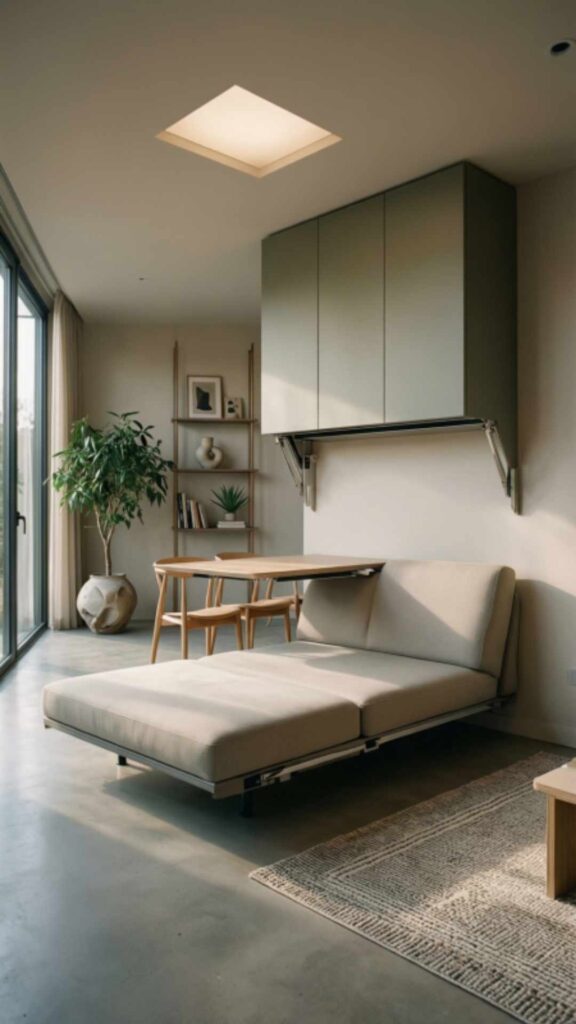
Foldable furniture supports flexible living. Folding tables, wall desks, and stackable chairs stay out of the way when not needed. This keeps the room open most of the day.
Foldable living room furniture is ideal for small homes and apartments. It allows you to host guests without sacrificing daily comfort or space.
Add Built-In Seating
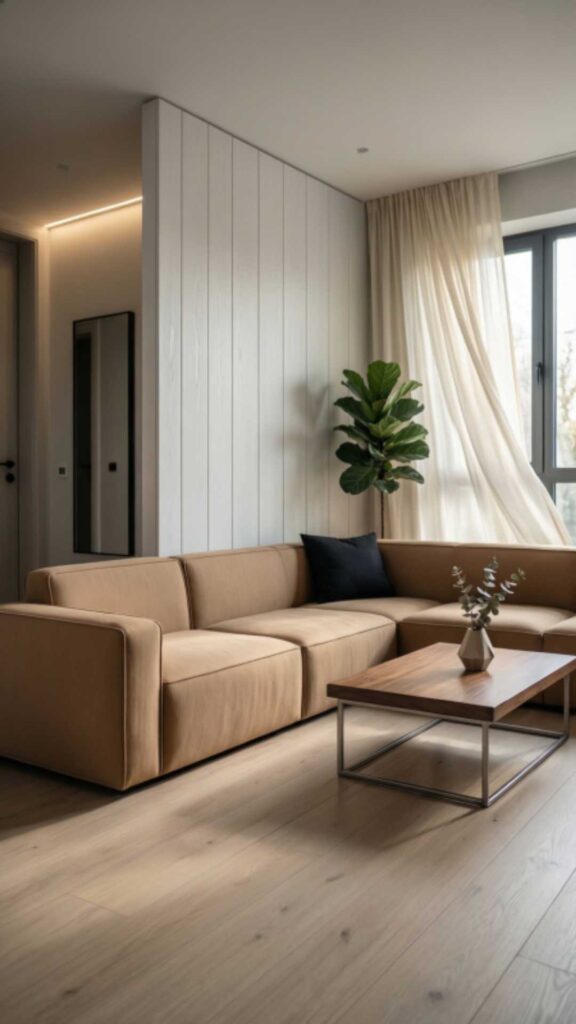
Built-in seating uses corners and unused walls. Bench seating with cushions creates comfort without extra furniture. Storage underneath adds even more value.
Built-in seating ideas help reduce clutter and improve layout. They fit perfectly in compact rooms where every inch matters.
Choose Compact Media Units
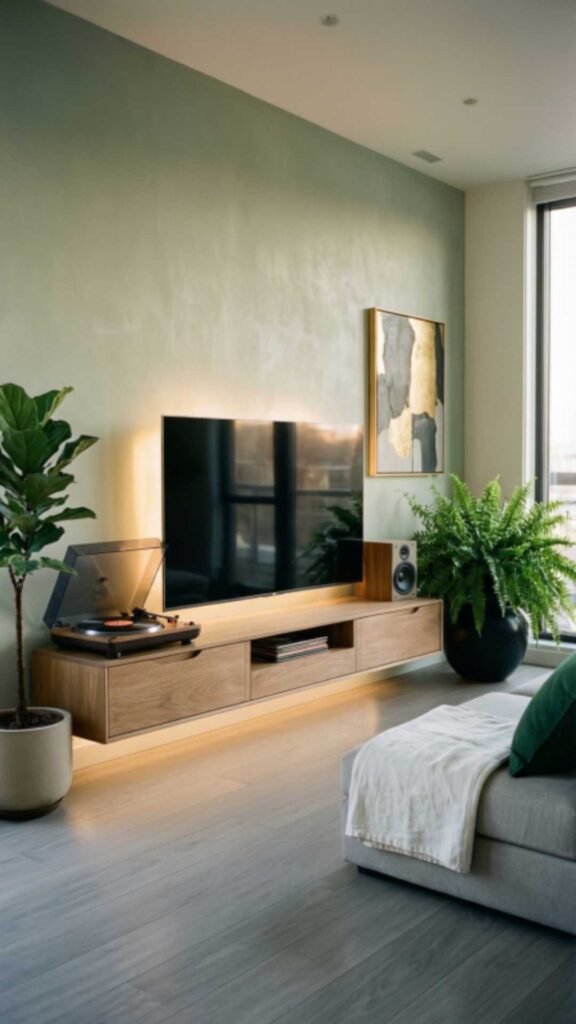
Large entertainment units overwhelm small spaces. Slim TV stands or wall-mounted units work much better. They keep the room neat and balanced.
Compact TV units offer storage without bulk. Cables stay hidden, and the room feels clean and modern.
Keep Pathways Clear
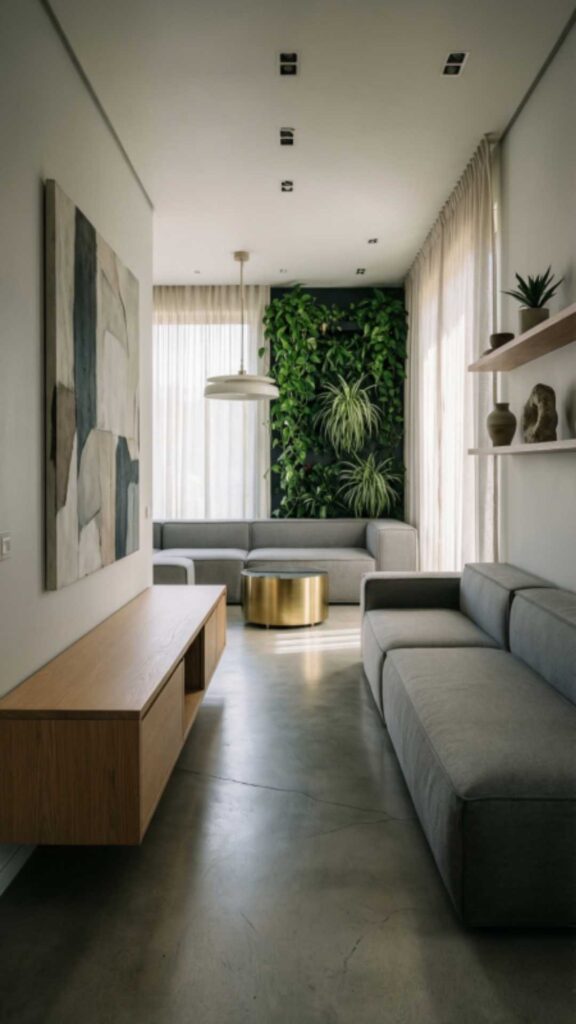
Clear walkways improve both comfort and safety. Furniture should not block movement or doorways. Easy flow makes the room feel larger.
An open living room layout supports daily activities. It reduces stress and improves how the space functions.
Use Light Curtains or Blinds
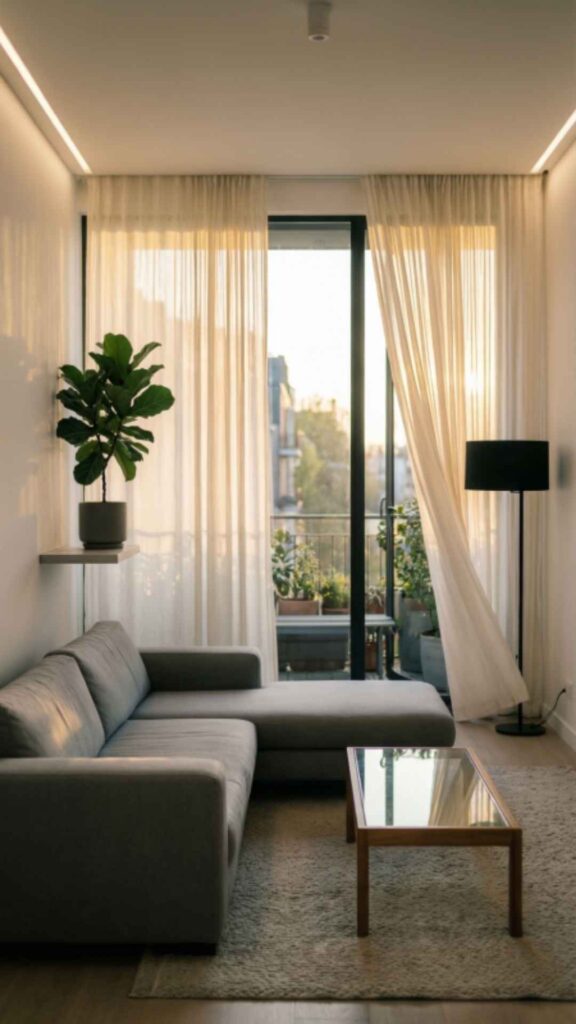
Heavy curtains block light and close off space. Light fabrics allow sunlight and air to pass through. This improves brightness and comfort.
Sheer curtains soften windows without adding weight. They help small living rooms feel fresh and open.
Add Greenery Carefully
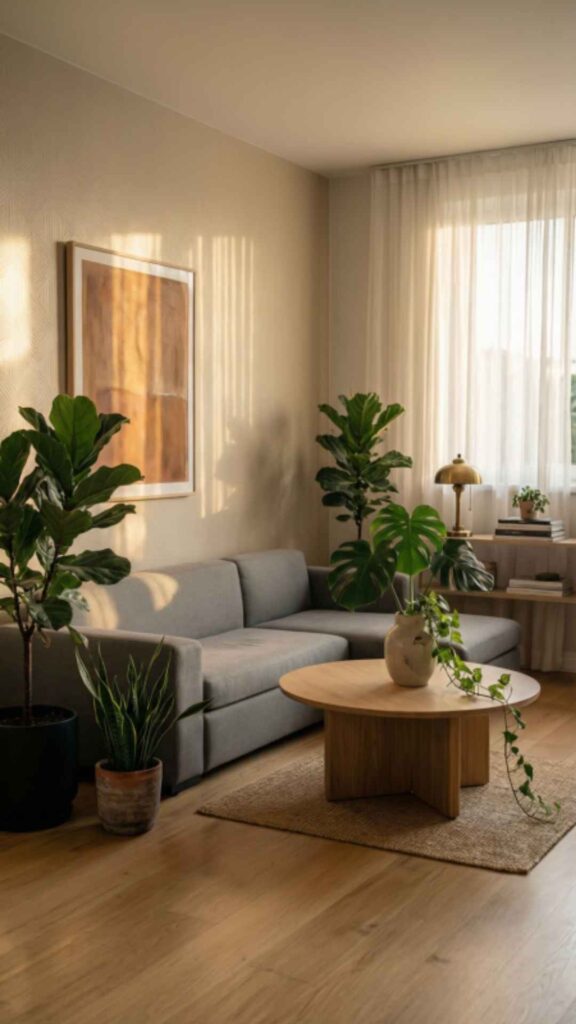
Plants add life but should be chosen wisely. Small plants, wall planters, or hanging baskets work best. Avoid large floor pots.
Indoor plants for compact spaces bring color and freshness. They improve mood while keeping the layout clean.
Use Wall Art Strategically
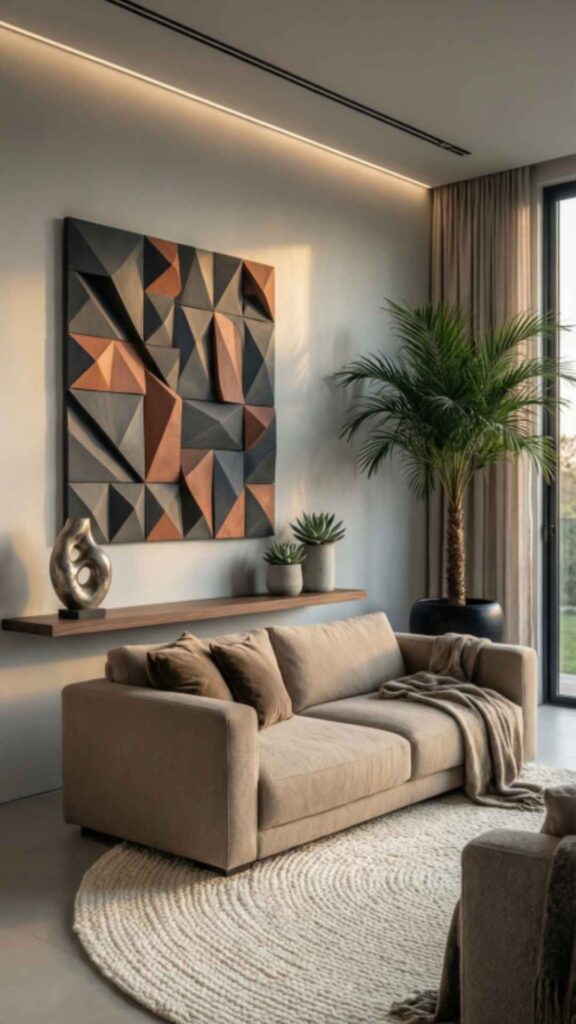
Too many small frames create clutter. One large artwork or a simple gallery layout works better. It gives the eye a clear focus.
Wall art for small living rooms adds personality without crowding. Neutral tones or soft colors keep the room balanced.
Keep the Layout Flexible
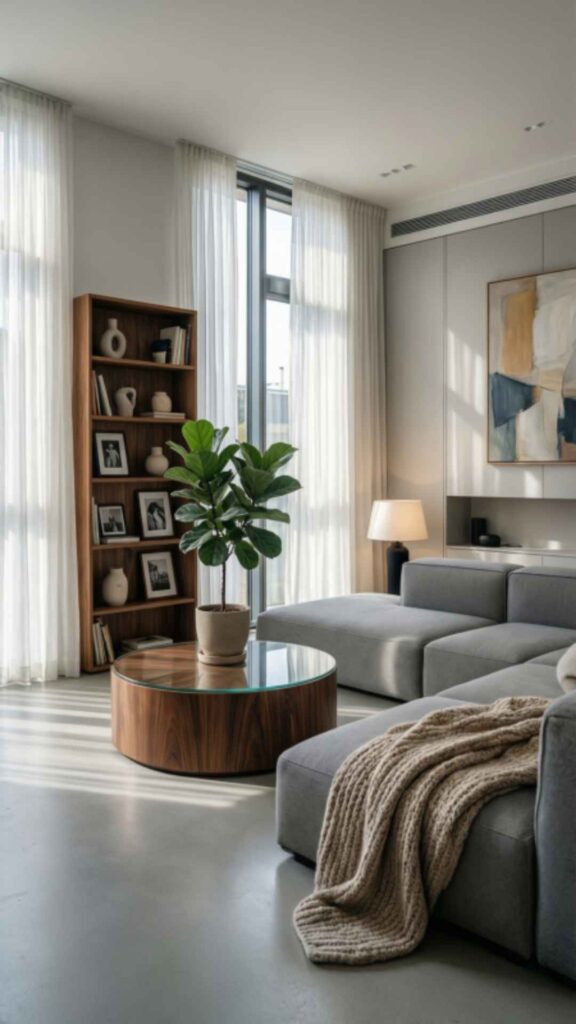
A flexible layout supports daily changes. Furniture should move easily. This allows quick adjustments for work, rest, or guests.
Flexible living room layouts grow with your needs. The space remains useful and comfortable year-round. Adaptable living room layouts grow with your needs.
Conclusion
Small spaces need smart thinking, not sacrifice. With the right compact living room ideas, even limited areas can feel welcoming and stylish. Each choice plays a role in comfort and function.
By using space-saving furniture, light colors, and smart layouts, you can enjoy a living room that feels open and calm. A well-planned small room can offer big comfort every day.
FAQs About Compact Living Room Ideas
How can I make a compact living room look bigger?
Use light colors, mirrors, and low-profile furniture. Keep décor minimal and allow natural light.
What furniture works best in small living rooms?
Choose multi-functional furniture, slim sofas, and foldable pieces to save space.
Are rugs good for compact living rooms?
Yes, area rugs help define space and add warmth without crowding the room.
How many colors should I use?
Stick to one main color with soft variations. This keeps the room balanced.
Can plants work in small living rooms?
Yes, small or hanging plants add freshness without taking up floor space.

Hi, I’m Aria Emma the founder and voice behind Trandy Edge. With years of passion for home styling, interior trends, and practical design solutions, I’ve turned my personal love for décor into this blog.